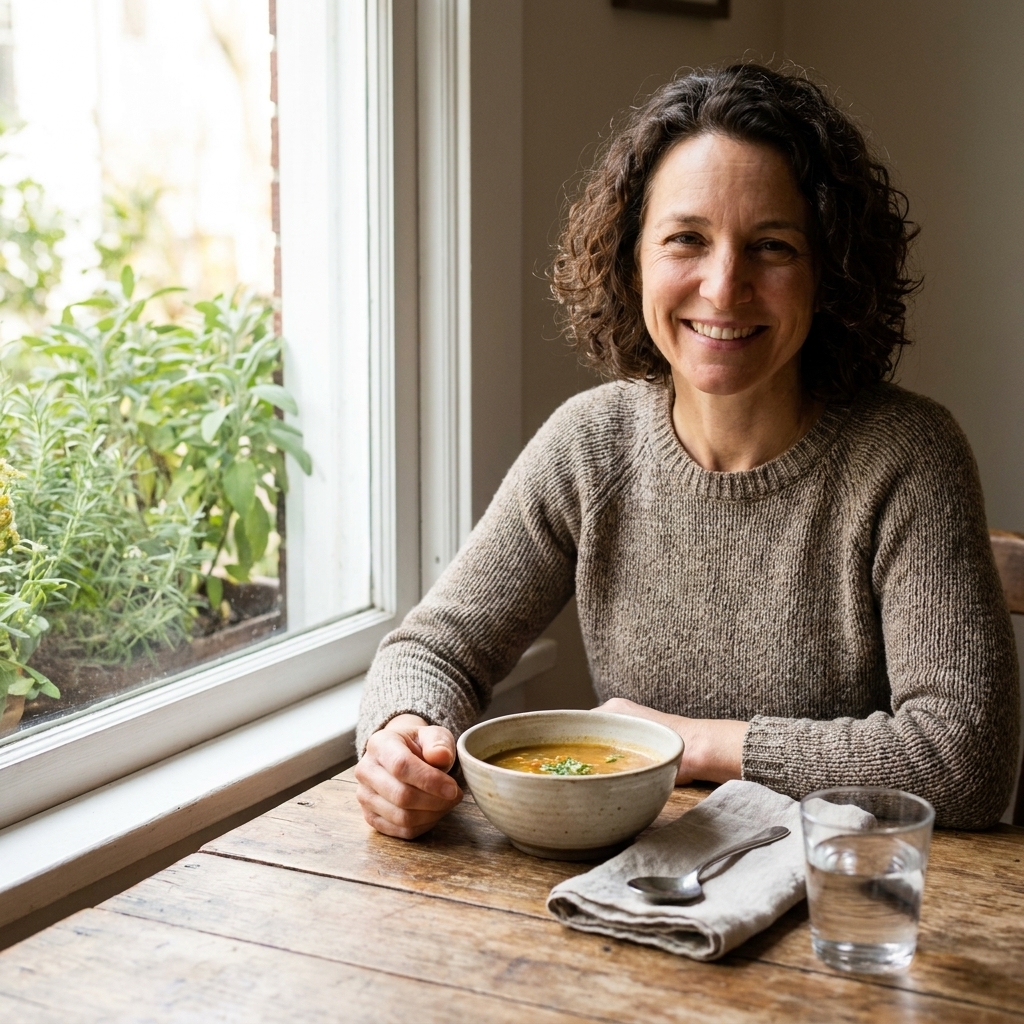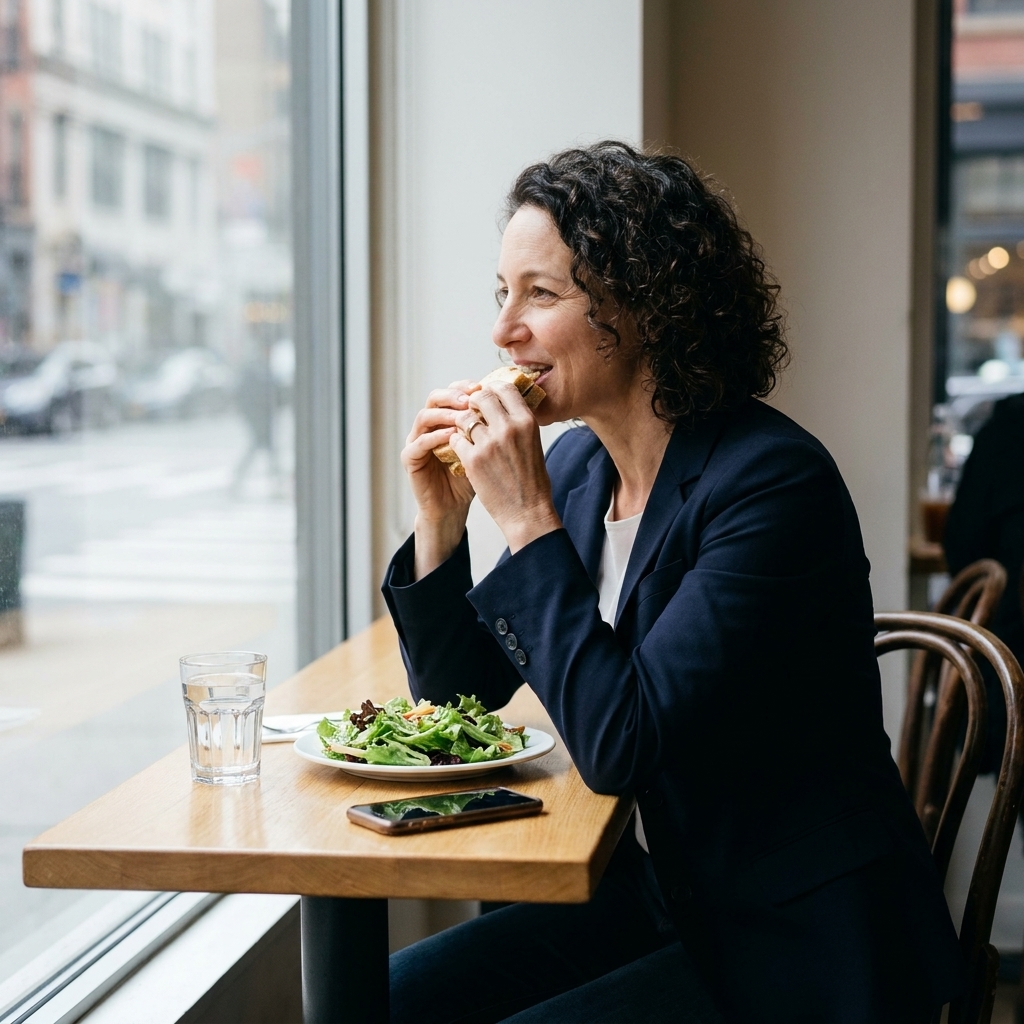
Food is supposed to be one of life’s steady joys. Not a pop quiz. Not a daily performance review.
If you’ve ever felt caught between “just listen to your body” and “track everything to stay on track”, you are not alone. Both mindful eating and meal tracking can be useful tools, but they create very different experiences in your body and brain.
Let’s gently unpack what each approach is, what it is good at, where it can get sticky, and how to find a middle path that helps you feel nourished and genuinely happy around food.

What mindful eating means
Mindful eating is the practice of paying attention while you eat, on purpose, without judging yourself. It is less about “being perfect” and more about building awareness.
In real life, mindful eating can look like:
- Noticing hunger and fullness cues (and respecting them when you can)
- Eating with fewer distractions sometimes, not always
- Checking in with what you actually want and need (comfort, energy, crunch, warmth)
- Giving yourself permission to enjoy food
- Observing how certain foods make you feel, physically and emotionally
The vibe is curiosity, not control.
What mindful eating is not
- It is not “never eat dessert” or “only eat when you are starving.”
- It is not a moral scoreboard where salad equals “good” and pizza equals “bad.”
- It is not a requirement to eat slowly at all times. You can be mindful in a 10-minute lunch too.
What meal tracking means
Meal tracking is any system where you log what you eat. Sometimes it is calories and macros. Sometimes it is points, portions, photos, or a simple checklist like “protein at breakfast.”
Tracking can be helpful because it creates structure. It can show patterns you might miss, like:
- You are unintentionally skipping meals and then feeling out of control at night
- You are under-eating protein and feeling snacky all afternoon
- You are low on fiber and your digestion is begging for support
- Sometimes thirst, low sleep, or stress can get misread as hunger (or amplify it)
For some people, tracking feels grounding and empowering. For others, it can feel like food becomes a math problem they can never quite solve, especially with restaurant meals, homemade recipes, and “a little of this and that.”
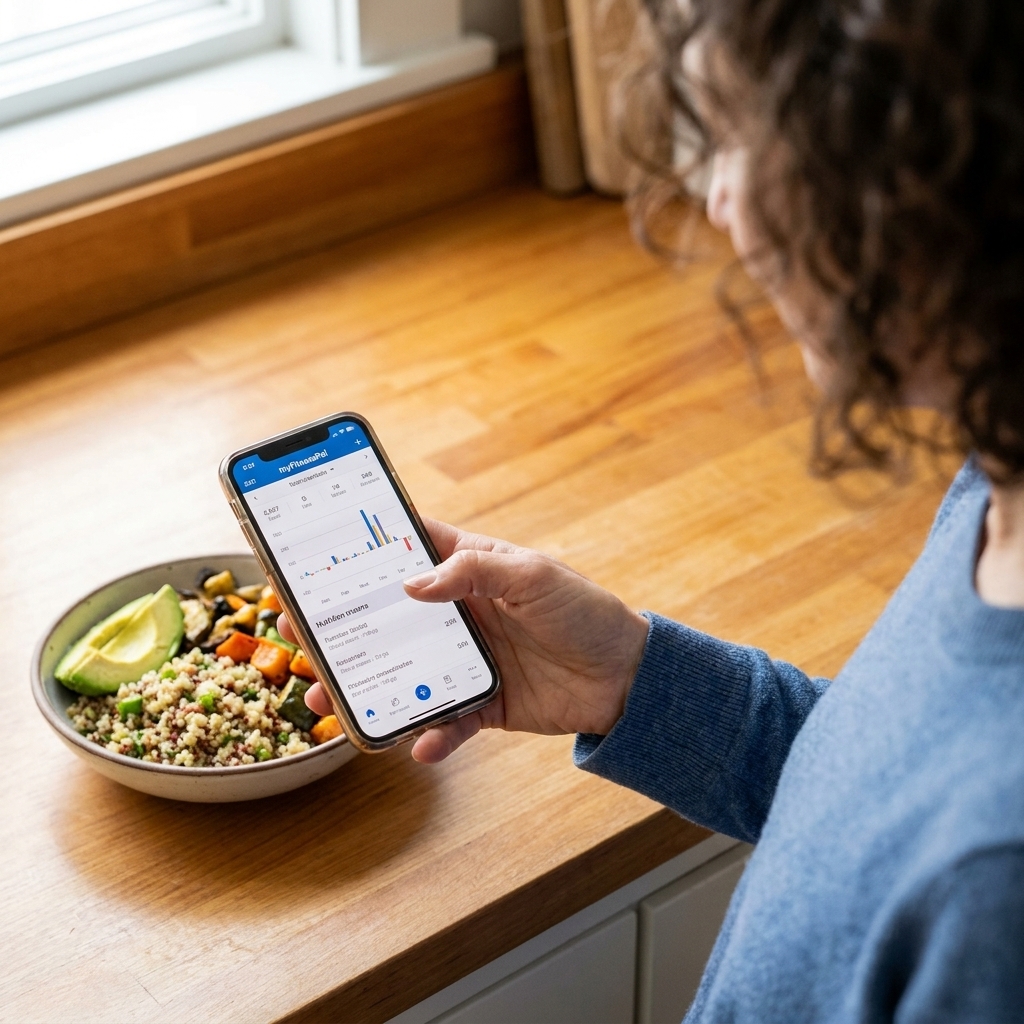
Mindful vs. tracking
1) Your guide: cues vs. data
Mindful eating prioritizes interoception, which is your ability to sense what is happening inside your body. Tracking prioritizes metrics. Neither is “better,” but they train different muscles.
2) The tone: curiosity vs. evaluation
Mindfulness asks, “How do I feel, and what do I need?” Tracking can slide into, “Did I do it right?” If you have a history of dieting or food anxiety, that emotional tone matters.
3) The risk points: vagueness vs. rigidity
Mindful eating can feel too open-ended when you are busy, stressed, or new to supporting yourself with food. Tracking can become too rigid, especially when life gets messy and the numbers start to feel like a verdict.
4) The skill: trust vs. consistency
Mindful eating tends to build trust with your body. Tracking tends to build consistency with habits. Most of us want both, at least in some ratio.
When mindful eating shines
Mindful eating is especially supportive when:
- You feel disconnected from hunger and fullness signals
- You eat quickly or distracted and end meals feeling unsatisfied
- You want to reduce guilt and food noise
- You are healing your relationship with food after years of rigid rules
- You want food to feel pleasurable again
A gentle truth: If you have been in high stress mode for a long time, your cues can be muted at first. That does not mean mindful eating “isn’t working.” It can mean your system is settling enough for signals to become clearer over time.
Mindful eating pitfalls
Mindful eating is not a loophole for more food rules. A few common ways it can get weird:
- Using it as a covert diet: “I’m being mindful” becomes code for restricting
- Waiting for perfect hunger: Especially if you are busy, sleep-deprived, or stressed
- Over-analyzing every bite: Awareness is helpful, hypervigilance is exhausting
- Forgetting the basics: Regular meals and enough protein, carbs, and fats still matter
When tracking helps
Tracking can be a useful short-term tool when:
- You have a specific goal that benefits from structure (like fueling workouts or stabilizing energy)
- You are learning portions and need training wheels for a while
- You are not sure if you are eating enough, especially protein and fiber
- You are trying to identify triggers for symptoms (with professional guidance)
- You do well with concrete plans and it reduces decision fatigue
The key is intent. In my coaching experience, tracking works best when it is used to gather information, not to micromanage your worth.
When structure is needed
Mindful eating is powerful, but it is not always sufficient by itself. Some situations benefit from more structure or targeted awareness, ideally with professional guidance:
- Diabetes or blood sugar management: carbohydrate awareness and meal timing can matter
- Sports performance: fueling enough (especially around training) often requires planning
- GI conditions or elimination protocols: symptom tracking can be part of a clinical plan
- Recovery from under-eating: cues may be unreliable for a while, so consistency comes first
This is not a failure of intuition. It is just the right tool for the job.
Tracking red flags
Meal tracking is not automatically harmful, but it can become a problem if you notice:
- You feel anxious when you cannot log a meal perfectly
- You choose foods you do not even want because they “fit” the numbers
- You avoid social plans because tracking feels complicated
- You feel like you have failed if you go over a target
- Your thoughts about food take up a big chunk of your day
If any of this hits home, you are not broken. You are human. It may be time to soften the system, switch to a lighter structure, or talk with a registered dietitian or therapist who specializes in eating behaviors.
A middle path
This is my favorite approach for most real-life humans: keep enough structure to feel supported, and enough freedom to feel alive.
Track the basics
If full logging makes you spiral, experiment with a simpler check-in. For example:
- Protein at meals
- Color (a fruit or veggie) once or twice a day
- Hydration (a water bottle goal)
- Regular meals (no accidental all-day grazing or skipping)
No numbers required. Just gentle anchors.
Two questions
- Before: “What would feel nourishing right now?”
- After: “How do I want to feel in 30 minutes?”
These questions keep you connected to pleasure and practicality at the same time.
One mindful bite
If you are busy or eating at your desk, pick one bite to slow down. Notice texture, temperature, and flavor. That is it. This tiny ritual builds awareness without demanding a lifestyle overhaul.

Mindful cues
- Pause: Take one breath before you start eating.
- Soften: Drop your shoulders and unclench your jaw.
- Notice: Where is your hunger on a 1 to 10 scale?
- Include: Add one satisfaction factor, like crunch, warmth, or a sauce you love.
- Check in: Halfway through, ask, “Am I still hungry, or am I eating on autopilot?”
This is not about stopping at the “perfect” fullness level. It is about staying in a relationship with your body while you eat.
Tracking without stress
Here are a few guardrails I use with clients who like structure but want to protect their peace:
- Set a time limit. Track for 7 to 14 days to learn patterns, then reassess.
- Use ranges, not exact targets. Your body is not a calculator.
- Log after you eat. Pre-logging can turn meals into a performance.
- Track outcomes that matter. Energy, sleep, digestion, mood, and workout recovery count too.
- Plan one untracked meal a week. Practice flexibility on purpose.
How to choose
If you are torn, consider this gentle decision guide:
Choose mindful eating if you want to:
- Quiet food guilt and rebuild trust
- Feel more present and satisfied
- Stop outsourcing decisions to rules
Choose tracking if you want to:
- Learn what “enough” looks like for your body
- Support a specific training or health goal with structure
- Reduce decision fatigue with a clear plan
Choose a blend if you want to:
- Use structure as support, not control
- Build consistency while also honoring appetite and enjoyment
- Feel steady on weekdays and flexible on weekends
And remember: you can change your mind. A strategy is not a personality trait.
A gentle note
If you have a past or present eating disorder, or tracking reliably triggers obsessive thoughts, please consider working with a qualified professional (a registered dietitian and a therapist who specialize in eating disorders). You deserve support that feels safe, not activating.
Joyful eating is not “anything goes.” It is learning how to care for yourself in a way that is both kind and sustainable.
Quick FAQ
Can I do mindful eating and still have nutrition goals?
Yes. Mindful eating does not mean you stop caring about nourishment. It means you pursue your goals without punishing yourself or ignoring your body’s feedback.
Will mindful eating help me stop overeating?
It can, especially if overeating is connected to distraction, stress, restriction, or rushing. It is not a magic switch. Think of it as a skill that gets stronger with practice.
Is tracking always disordered?
No. For some people it is a neutral tool. The question is whether it improves your life, or shrinks it.
What if I do not trust my hunger cues?
Start with regular meals and gentle structure, then layer in mindful check-ins. Cues often return as your body learns it will be fed consistently.
Your next step
If you want a simple, joy-forward experiment, try this for three days:
- Eat one meal a day without multitasking for the first five minutes.
- Add one satisfaction upgrade, like a sauce, a crunchy topping, or a food that feels comforting.
- After the meal, write one sentence: “I noticed _____.”
No grades. Just data. The kind that makes you feel more like you, not less.