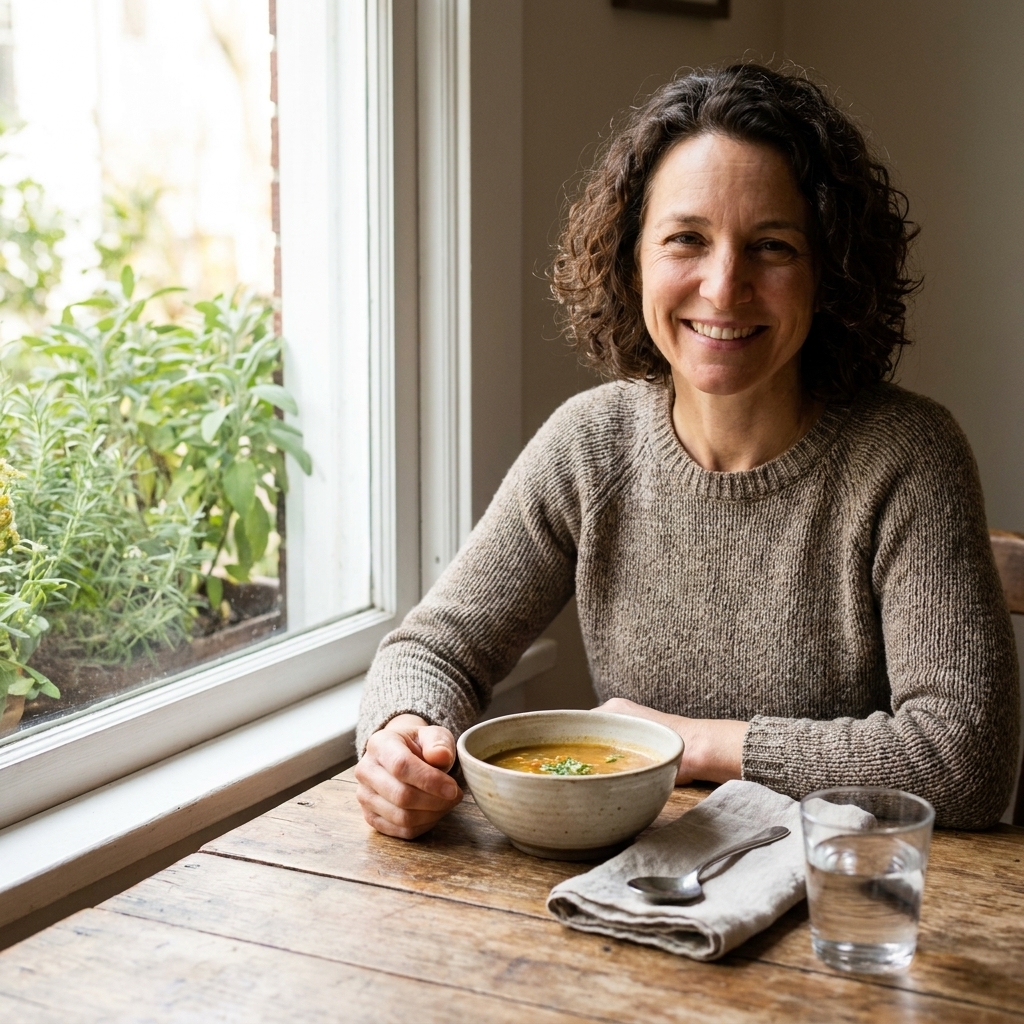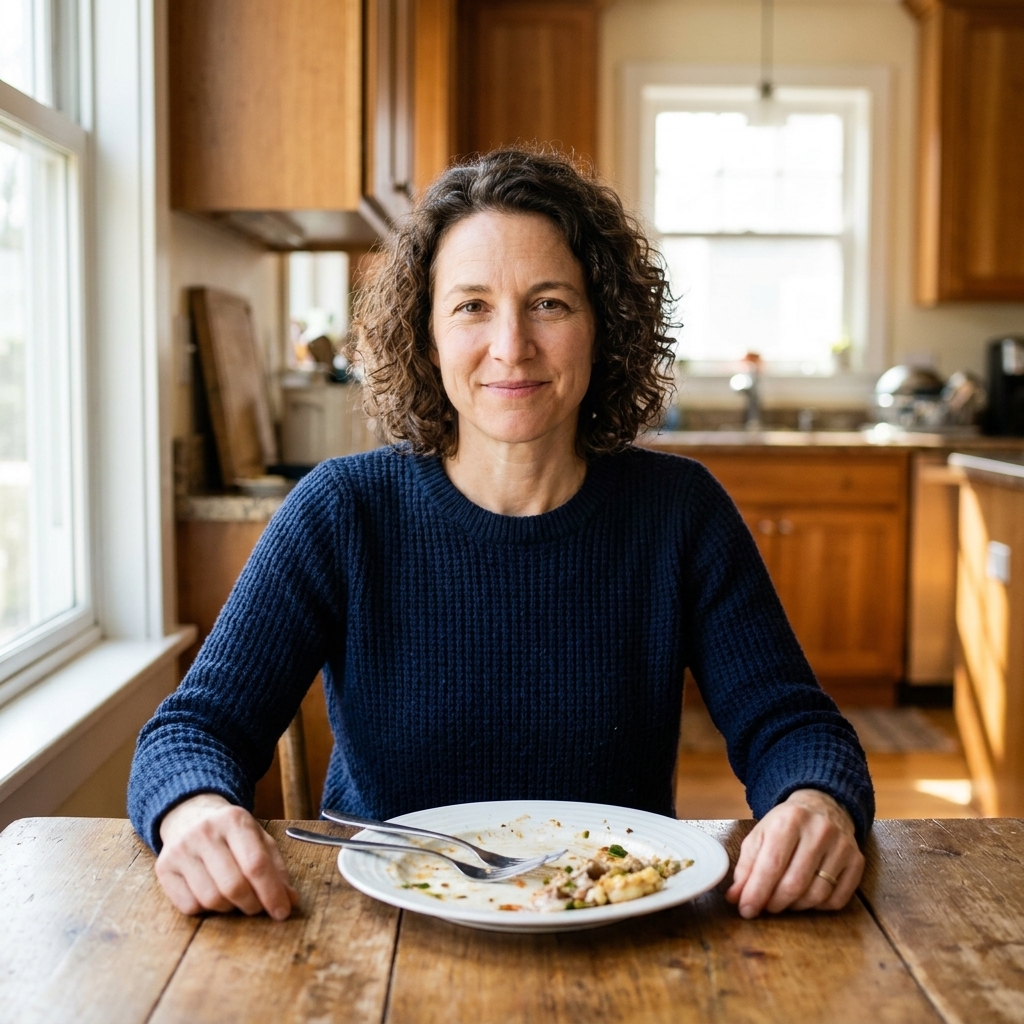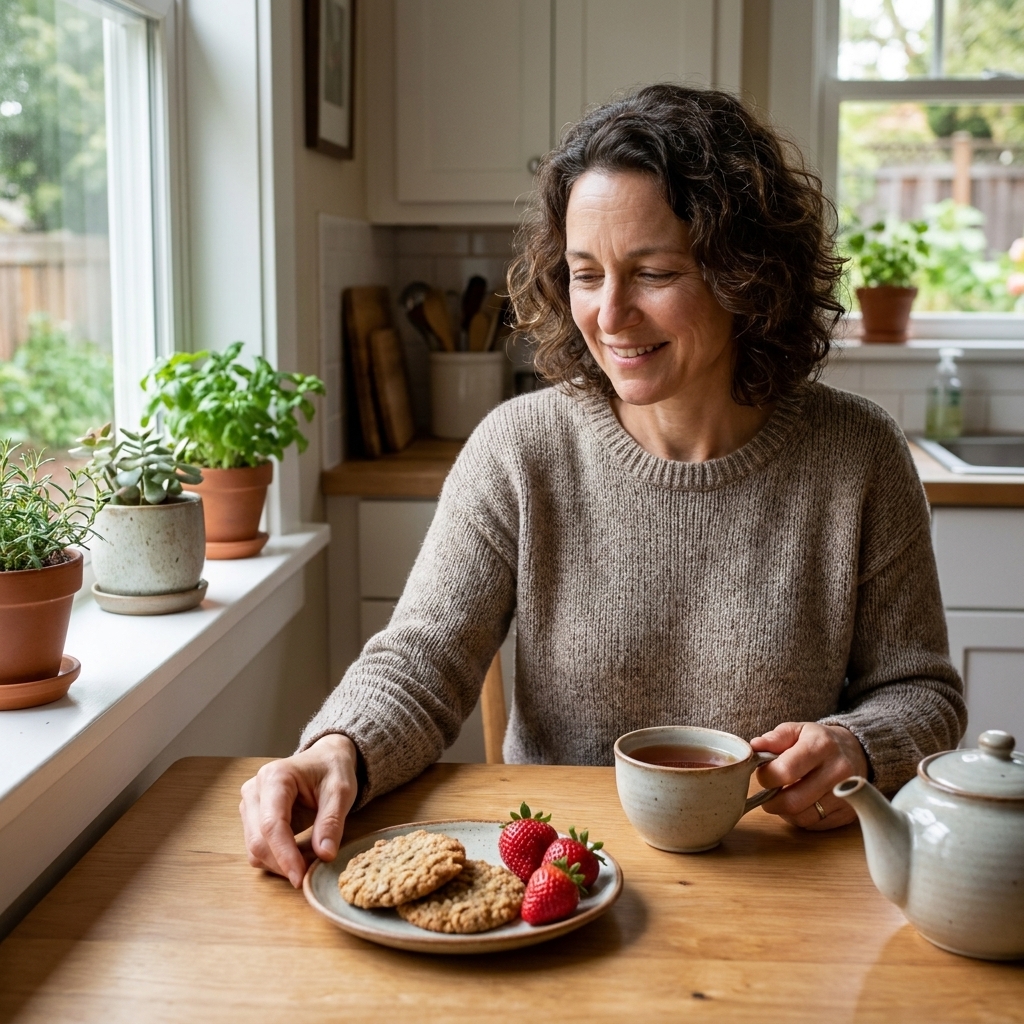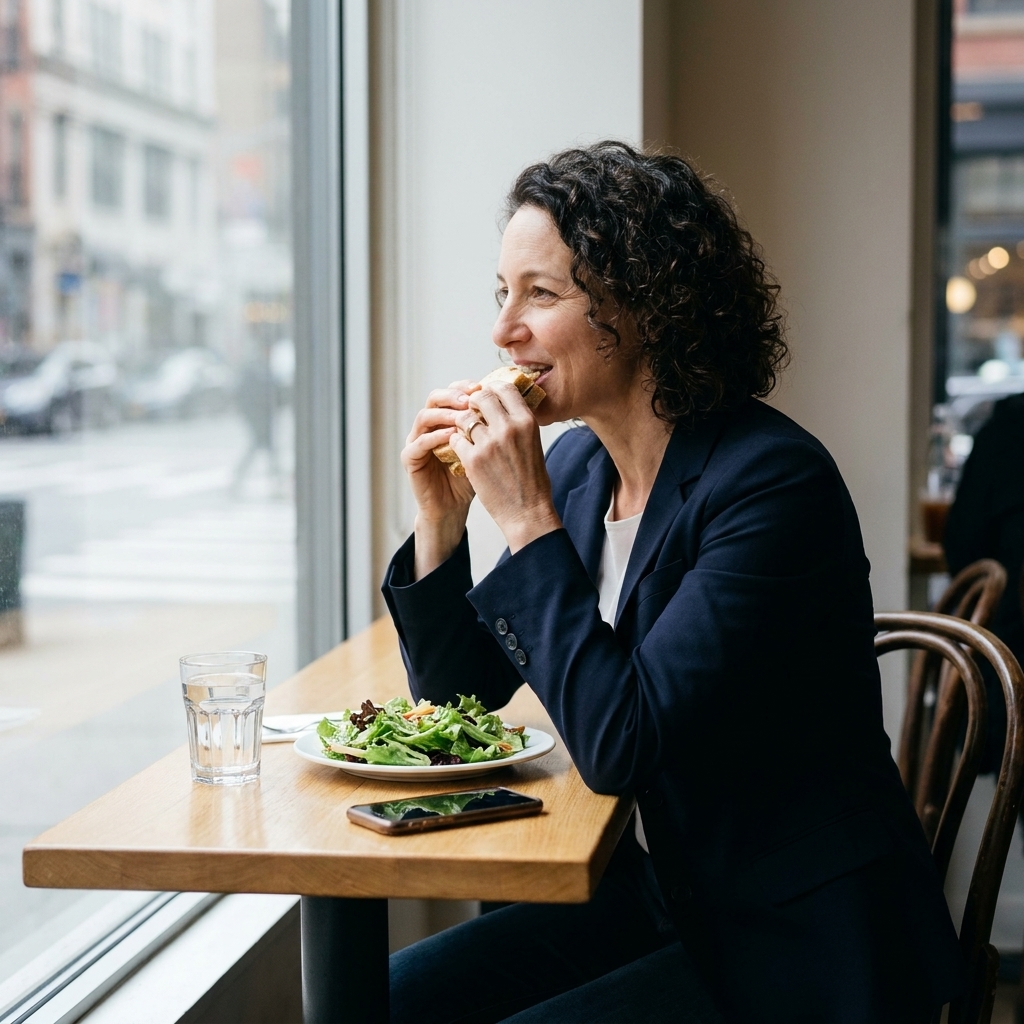
For years, I ate like it was a competitive sport. Between corporate event timelines and inbox chaos, lunch was basically something I did to my body, not for it. Slowing down at meals felt wildly unrealistic until I realized this truth: you do not need a silent retreat and a handmade ceramic bowl to savor your food. You just need a few tiny cues that can help your nervous system exhale.
Below are seven simple ways to chew slower, notice flavors, and actually enjoy what is on your plate. Pick one for this week. Small wins count here.
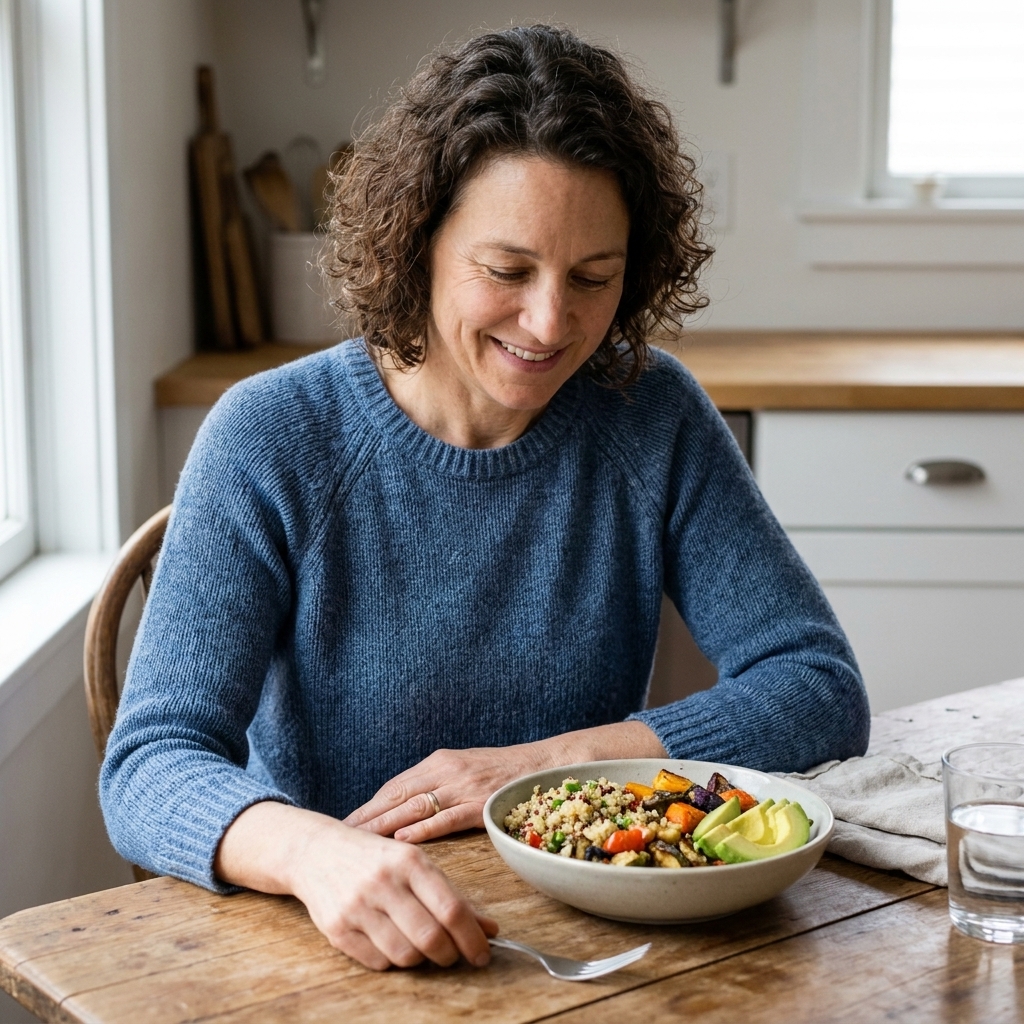
1) Start with one breath
This is the quickest way I know to shift from rush-mode into something more settled. Before the first bite, place your hands on the table or on your bowl and take one slow inhale through your nose, then a long exhale.
- If you want a simple script: inhale for 4, exhale for 6.
- Why it helps: it may signal to your body that it is safe to digest, not sprint.
- Make it easy: do it while you are waiting for the microwave or pouring your drink.
2) Try three “research bites”
The first few bites often set the tone. Many people find that if they start fast, they keep eating fast. Instead, take three intentional bites and treat them like a mini tasting. No one has to know you are doing it.
Try this
- On bite one, notice temperature and texture (crunchy, creamy, chewy).
- On bite two, notice flavor notes (salty, sweet, bitter, tangy, spicy).
- On bite three, notice aroma and aftertaste.
After that, you can eat normally, but you might be surprised how much your pace naturally eases once your senses are online.
3) Set it down (a few times)
If you have ever looked down and realized your fork is basically attached to your hand, you are not alone. A tiny pattern interrupt helps: set your utensil down between bites, at least for the first few minutes.
Not the whole meal, not perfectly, not rigidly. Just enough to create space for chewing and tasting.
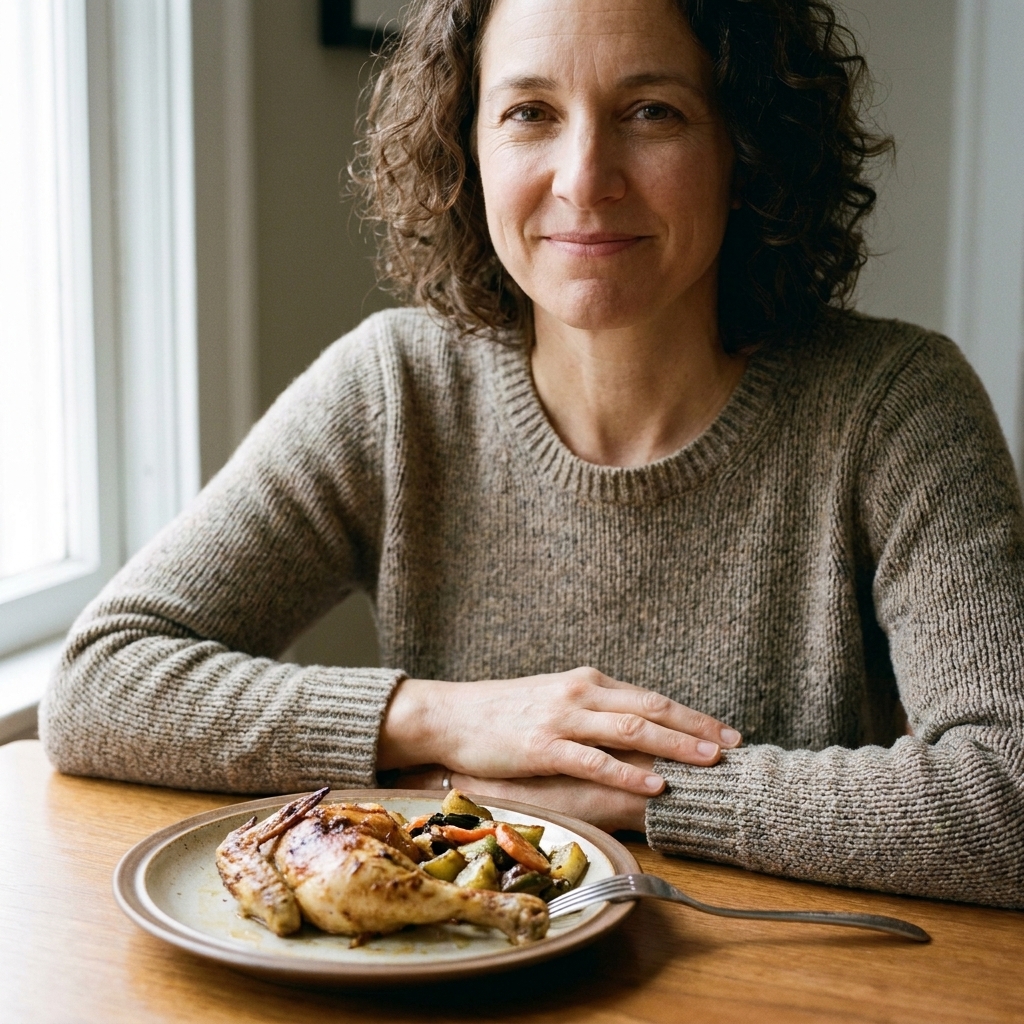
4) Chew for texture change
“Chew more” can feel vague and annoying. Here is a friendlier target: chew until the food changes texture.
- Crunchy foods become softer (and sometimes can taste a bit sweeter).
- Dense foods become smoother and easier to swallow.
- Mixed dishes become more blended and cohesive.
This is not about counting chews. It is about giving your taste buds enough time to catch up with what you are eating. Bonus: some people report less stomach heaviness afterward when they slow down chewing.
If chewing more is not a good fit for you because of jaw pain, TMJ, dental work, braces, or dentures, try a swap: take smaller bites, choose softer textures, and add a brief pause between bites instead.
5) Add one beauty cue
Once you have slowed the mechanics, it helps to make the environment supportive too. Mindful eating is easier when your meal feels like it matters. You do not need an elaborate spread. Add one simple “beauty cue” and let it signal: we are worth a real pause.
Easy ideas
- Put your food on an actual plate instead of eating out of the container.
- Add a lemon wedge, herbs, or a sprinkle of something crunchy.
- Pour your drink into a glass you like.
- Light a candle at dinner, even on a Tuesday.
I call this elective wellness at its finest: not required, not perfect, just gently supportive.
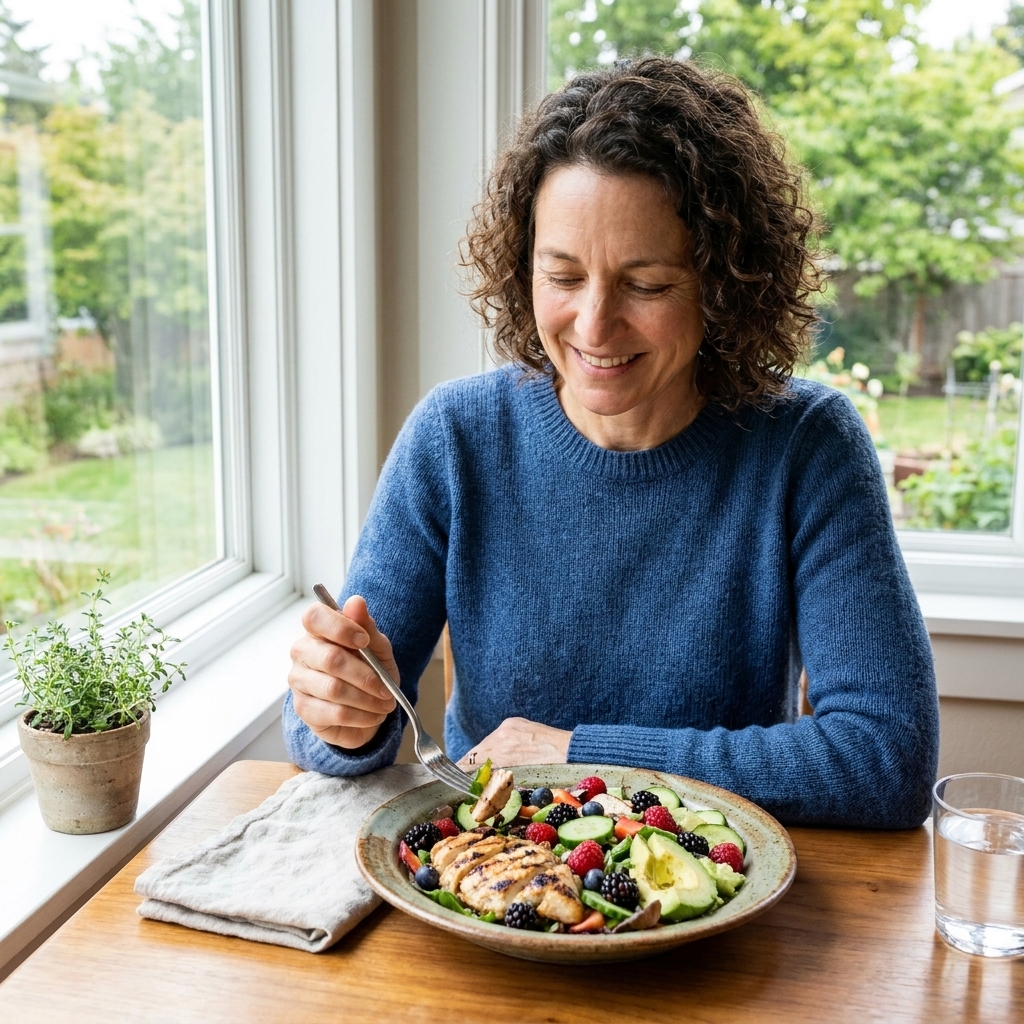
6) Use a distraction boundary
Some days you want a quiet meal. Some days you want to eat while watching something. Both can be real life. If going screen-free feels impossible, try a softer boundary that still protects your ability to savor.
Pick one for today
- First five minutes screen-free (then decide from there).
- No phone in your hand (it can be nearby, just not in your palm).
- One meal per day without multitasking (even if it is a snack).
- Pause the show during the first few bites to set the pace.
This is not about rules. It is about giving your brain fewer inputs so you can taste and notice more.
7) Pause halfway
Halfway through your meal, pause for a tiny check-in. Not a judgment. Just information.
Ask yourself
- How hungry am I now compared to when I started?
- What tastes especially good?
- What do I want more of: warmth, crunch, freshness, protein, something sweet?
- Would I enjoy a slower pace for the rest of this meal?
This halfway pause is where savoring can turn into satisfaction. Often, we keep eating quickly because we have not given ourselves a moment to notice we already feel better.
If you do one thing
If this whole list feels like a lot, here is my favorite minimalist option: take one breath and make your first three bites slow. That is it. You will still eat. You will still live your life. You will just feel a little more present inside it.
Savoring is not a personality trait. It is a practice, and it can start in the next bite.
Quick FAQ
Will eating slower help me feel fuller?
Many people notice they feel more satisfied when they slow down because it may give the body more time to register fullness cues. It is not a magic trick, and it is not about restriction. It is about giving your brain and gut a little more time to communicate.
What if I only have 10 minutes to eat?
Perfect. Choose one micro-practice: one breath, three slow bites, or setting your utensil down twice. Even a short meal can feel calmer when you start it differently.
Is mindful eating the same as eating perfectly “healthy”?
Nope. Mindful eating is about attention and enjoyment, not purity. You can savor a salad, mac and cheese, or a drive-thru breakfast sandwich. The practice is the same: slow down enough to actually experience it.
How do I do this with kids or a busy household?
Make it playful and tiny. Try “three tasting bites” together or a quick “smell the food” moment before eating. Even one shared breath before dinner can shift the whole vibe.
What if mindful eating feels stressful?
If paying close attention to food feels activating or anxiety-producing, you are not doing it wrong. Keep it very gentle, or skip it. Mindful eating can be complicated for people with eating disorders, trauma histories, or certain medical conditions, so consider working with a qualified clinician if you want support.
A next step
Tonight, pick one technique and treat it like an experiment, not a test. If you remember halfway through the meal, that still counts. That is the moment you are building: the ability to come back to yourself, one bite at a time.