Let’s clear something up right away: mindfulness and meditation are not enemies. They are more like cousins who get along at family gatherings, just with different personalities.
Mindfulness is paying attention on purpose, as life is happening. Meditation is a dedicated practice where you set aside time to train your attention, often in stillness.
If one of these has ever made you feel like you are “bad at calming down,” I want you to take that thought, place it gently on an imaginary leaf, and let it float away. There is no wellness gold star here. There is only what helps you feel more like yourself.
A quick note on comfort and safety: For some people, especially those with trauma history, panic, dissociation, or acute stress, certain practices can feel activating instead of soothing. You can always choose a gentler entry point (eyes open, movement, shorter time) and consider working with a qualified mental health professional if you need extra support.
The simplest difference
Here’s the easiest way to remember it:
- Mindfulness is a skill you can use anytime: while brushing your teeth, driving, cooking, or walking your dog.
- Meditation is a practice session for your brain: you intentionally pause and train attention, awareness, and emotional steadiness.
Mindfulness can happen inside meditation. Meditation often strengthens mindfulness. But you can also practice mindfulness without ever sitting on a cushion.
Mindfulness in real life
Mindfulness is paying attention to what is happening right now, with as little judgment as possible. Not “positive vibes only.” Not forcing yourself to feel calm. Just noticing.
Active techniques
- 5-4-3-2-1 grounding: Notice 5 things you can see, 4 you can feel, 3 you can hear, 2 you can smell, and 1 you can taste. Adjust the numbers if you want. They are just prompts to help you arrive.
- Mindful sipping: Take three slow sips of water, coffee, or tea and track temperature, flavor, and the urge to rush.
- Hands-on attention: While washing dishes, feel the warmth of the water, the texture of the sponge, the weight of each plate. Boring becomes grounding.
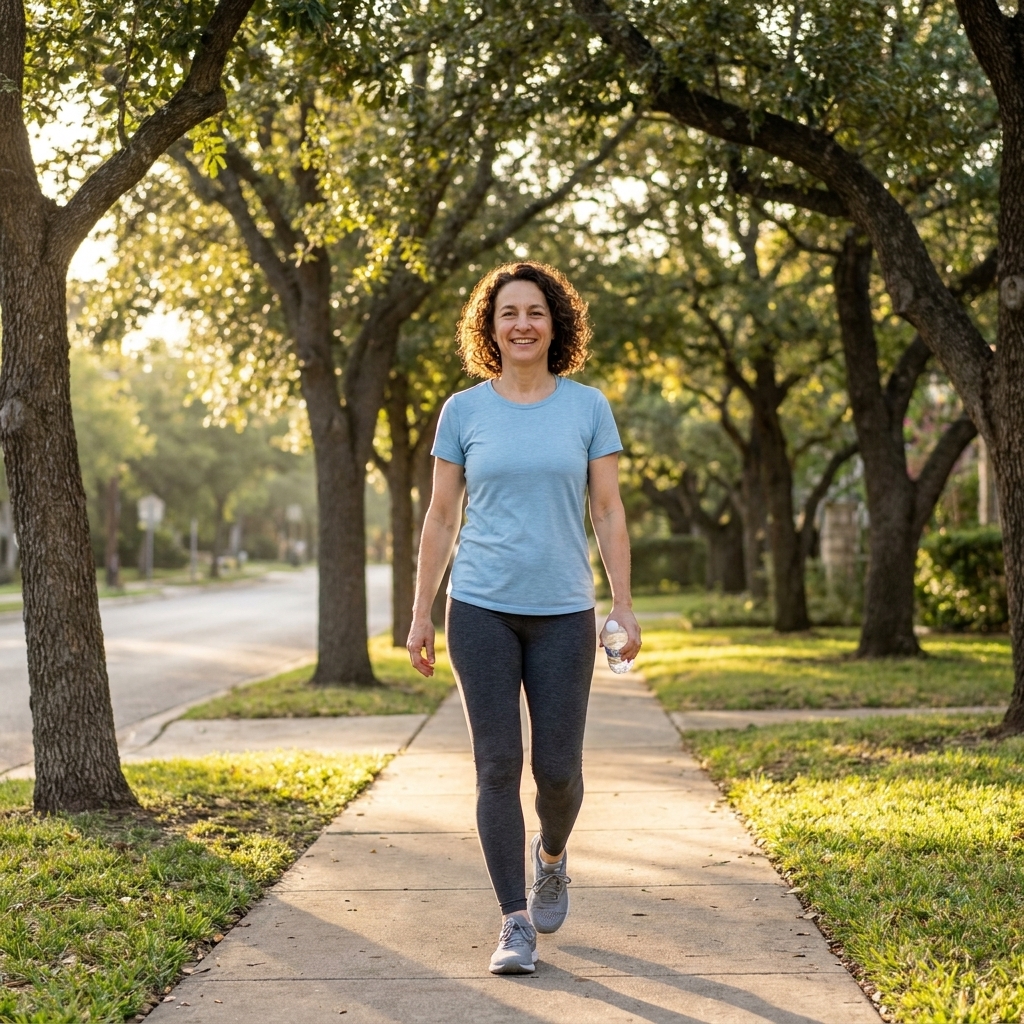
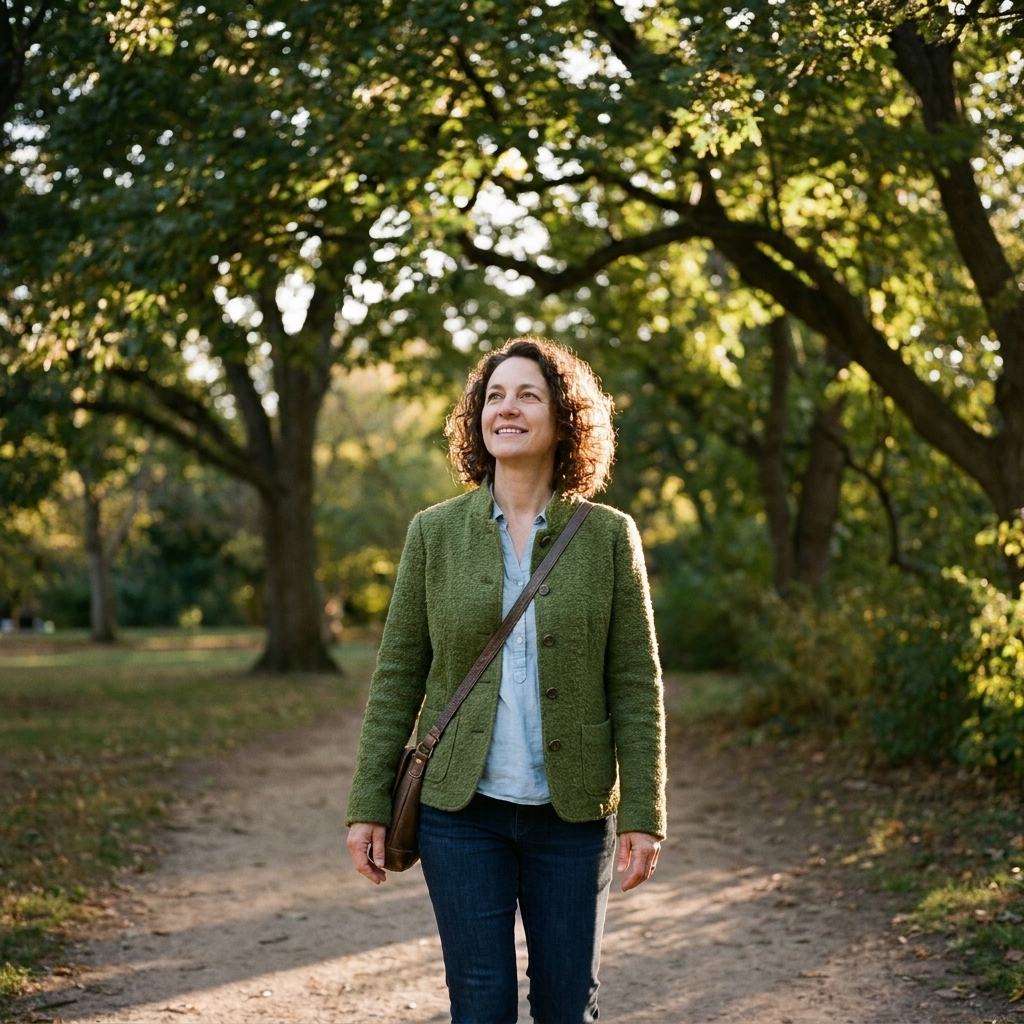
- Mindful walking: Let your steps be your anchor. Notice heel, sole, toes. Notice the air on your skin.
- Micro check-in: Pause and ask: “What’s happening in my body right now?” Name three sensations without trying to change them.
Mindfulness is especially helpful if you crave something portable and non-ceremonial, or if sitting still makes you feel like a shaken soda can.
What meditation is
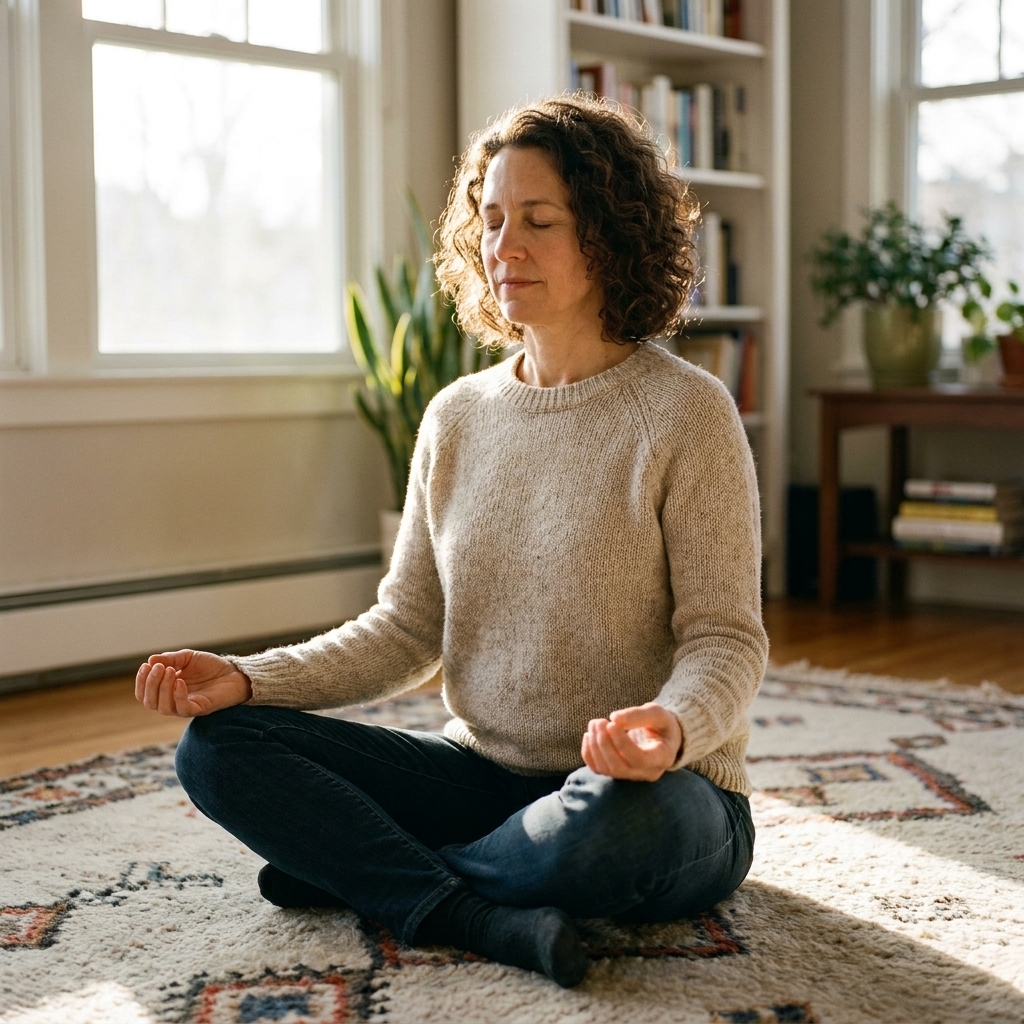
Meditation is time you set aside to practice focusing your attention. Different styles train different skills, but most have a similar backbone: pick an anchor, notice when your mind wanders, and return with kindness.
What meditation is not:
- Stopping thoughts
- Achieving permanent calm
- Becoming “spiritual enough”
- Doing it perfectly every day
What meditation is:
- Building steadiness with attention
- Practicing how to respond instead of react
- Getting familiar with your inner weather
- Creating a small buffer between you and stress
Common styles
- Breath awareness: Feel the breath at the nostrils or belly and keep returning.
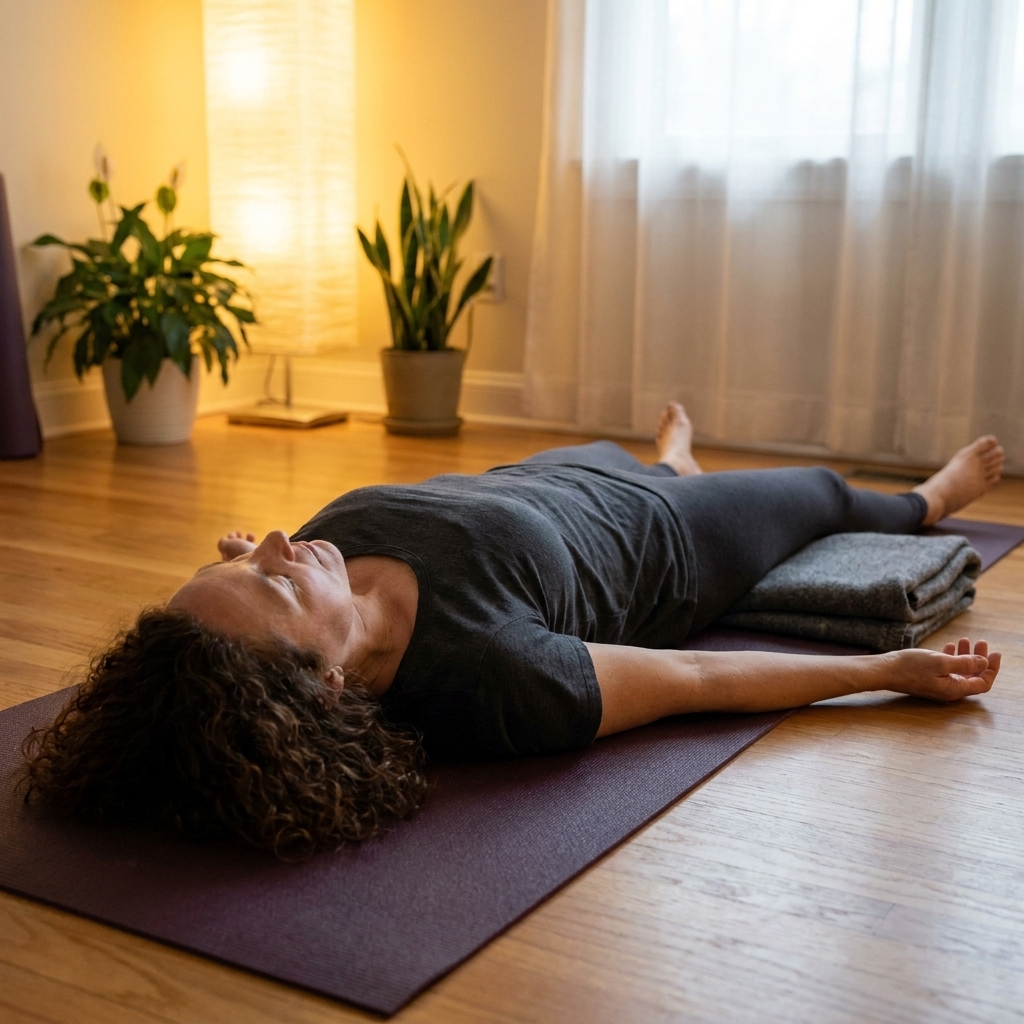
- Body scan: Move attention through the body, noticing sensations head to toe.
- Loving-kindness: Silently offer phrases of goodwill to yourself and others.
- Open monitoring: Notice thoughts, sounds, and feelings as they come and go, without chasing them.
Meditation tends to suit you if you want a structured practice, you like routines, or you are craving a deeper reset than a quick moment can offer.
Benefits
Both mindfulness and meditation have been studied for their impact on stress, mood, attention, and overall wellbeing. Consistent practice is associated with benefits like less rumination (that mental replay button), improved emotional regulation, and a more grounded relationship with your thoughts. (If you like to go the evidence-based route, mindfulness-based programs like MBSR and MBCT are two of the most researched.)
The difference is often how you get there:
- Mindfulness builds awareness in the moments you typically run on autopilot. It can be a practical tool during stress spikes.
- Meditation builds attention and emotional steadiness through repetition over time. Think of it as strength training for your mind.
In my old event-planner life, I loved anything I could do between meetings. Mindfulness helped me interrupt the spiral. Later, when I finally gave myself permission to slow down, meditation helped me rebuild my baseline.
Which to choose
Here are a few gentle matchmaking prompts. Pick what feels true, not what sounds impressive.
Packed schedule
- Try mindfulness first. Start with 30 to 60 seconds, sprinkled throughout your day.
- Then add meditation later, even 3 minutes at a time.
Anxious sitting still
- Start with active mindfulness (walking, showering, cooking).
- Consider meditative movement practices like a slow yoga flow, tai chi, or a breath-focused stretch session.
Racing thoughts at night
- Meditation (especially body scans) can help you practice returning to the body instead of chasing thoughts.
- Mindfulness can help earlier in the evening by breaking the autopilot scroll-and-stimulate cycle.
Emotional resilience
- Meditation is a strong foundation, especially consistent breath awareness or loving-kindness.
- Use mindfulness during the day to apply what you are learning in real time.
Bored easily
- Mindfulness gives you variety. You can anchor to sounds, sensations, taste, or movement.
- In meditation, try short, guided sessions or switch styles weekly until something clicks.
Quick starts
Consider this your no-pressure menu. Choose one and keep it tiny. Tiny is sustainable.
Mindfulness: 60-second arrive
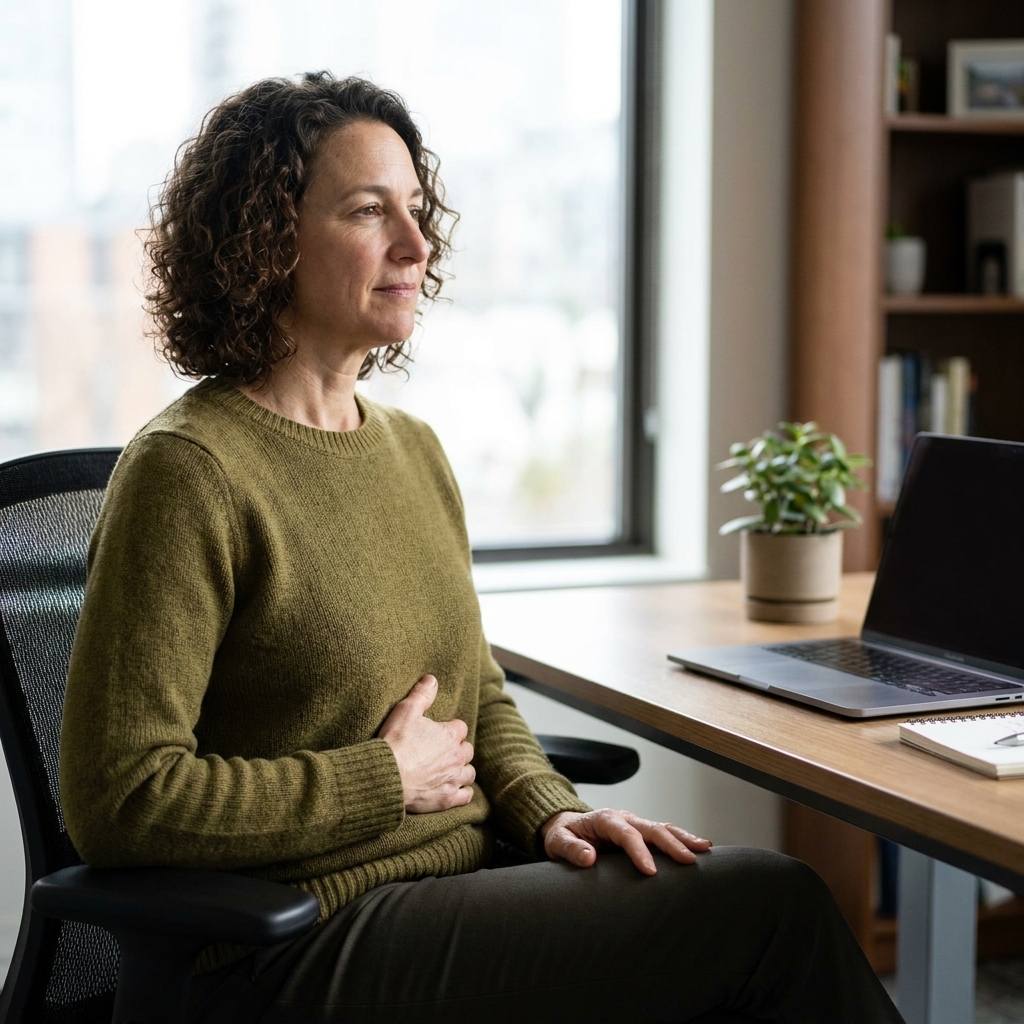
- Place a hand on your chest or belly.
- Inhale normally and notice the sensation of breathing.
- Name three things you can see.
- Name two things you can feel in your body.
- Name one sound you can hear.
That’s it. You just practiced presence.
Meditation: 3-minute reset
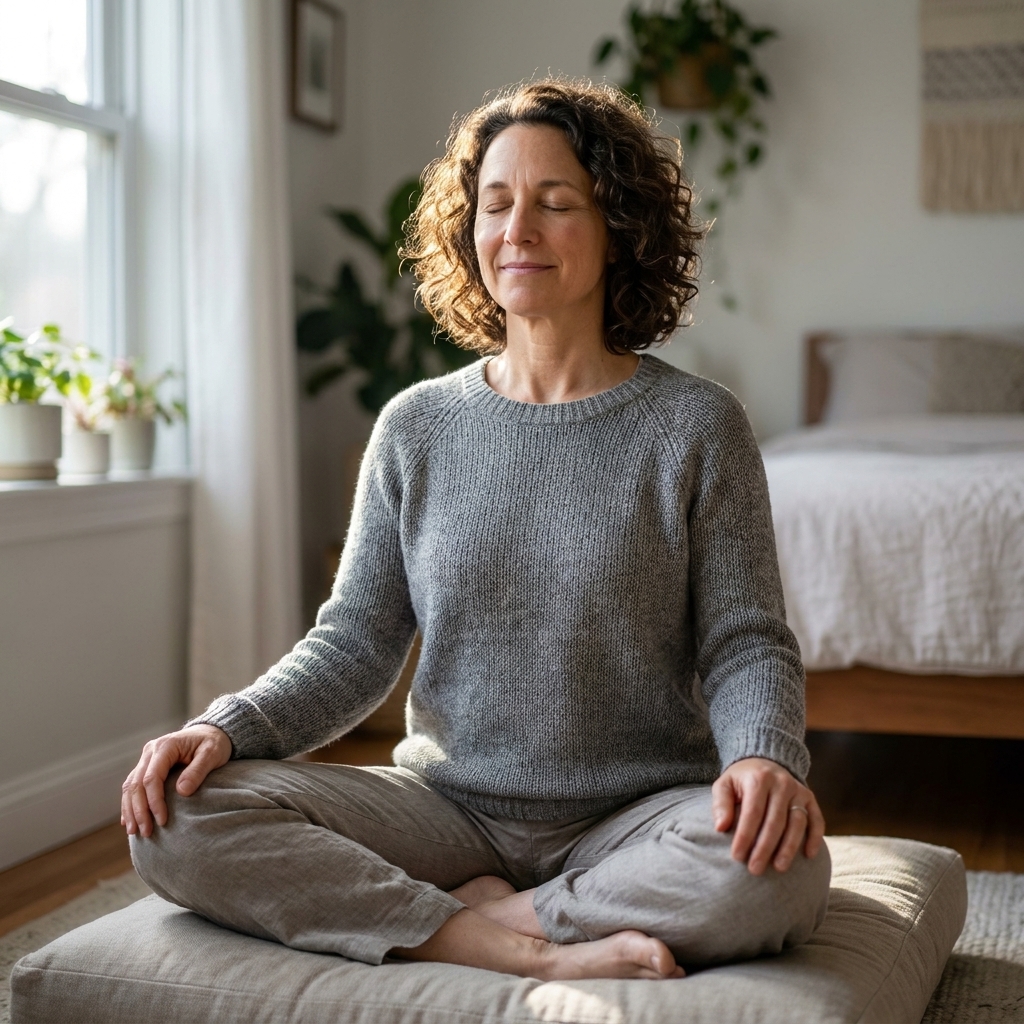
- Sit comfortably with your feet on the floor or on a cushion.
- Pick one anchor: breath, hands, or sounds.
- When your mind wanders (it will), gently return to the anchor.
- Finish by noticing how you feel, without grading the experience.
If three minutes feels like too much, do one. One minute still counts.

Common roadblocks
“I can’t stop thinking.”
Perfect. That means you have a human brain. The practice is noticing you are thinking and returning. That return is the rep.
“I don’t have time.”
You do not need a 30-minute routine to benefit. Pair a 30-second mindfulness moment with something you already do: waiting for coffee to brew, washing your face, sitting in the car before you drive.
“Meditation makes me more anxious.”
This happens for some people, especially if you are already feeling keyed up or if stillness brings up a lot internally. If meditation feels activating, choose a different entry point: walking meditation, a guided body scan, or grounding mindfulness with eyes open. If anxiety feels intense or unmanageable, it may be supportive to talk with a mental health professional who can tailor tools to you.
“I keep forgetting.”
Forgetfulness is not a character flaw. It just means you need a friendlier reminder system. Tie it to a cue: after you brush your teeth, before your first meeting, when you clip on your dog’s leash.
Make it a habit
A sustainable routine is less about motivation and more about kindness plus repetition.
- Start small: 1 to 3 minutes is enough to build the groove.
- Pick a cue: morning coffee, lunch break, the moment you get into bed.
- Miss a day? No catching up required. Just return the next time you remember. Consistency over perfection, always.
Use both
If you want the best of both worlds, here’s a simple, realistic combo:
- 2 to 5 minutes of meditation a few times a week to build the skill.
- 30 to 60 seconds of mindfulness once or twice a day to use the skill.
This is how it becomes less like “another thing on your list” and more like a way you move through your day.
FAQ
Is mindfulness the same as meditation?
No, but they overlap. Mindfulness is the skill of present-moment awareness. Meditation is a dedicated practice time that often trains mindfulness.
Do I have to sit cross-legged?
Absolutely not. Sit on a chair. Lie down. Walk. The best posture is the one you can maintain comfortably while staying awake and attentive.
How long until I notice benefits?
Some people feel a difference right away, like a small exhale. For deeper changes like improved focus or emotional regulation, consistency matters more than duration. Think weeks, not days, and keep it doable.
Can I do this if I’m not spiritual?
Yes. You can approach mindfulness and meditation as mental training and stress support, no spiritual framing required.
Takeaway
If you’re choosing between mindfulness and meditation, choose the one you will actually do. The one that fits your season. The one that feels supportive instead of punishing.
And if you want my personal favorite approach, it’s this: meditate when you can, be mindful when you remember, and be kind to yourself the whole time.