Confession: I used to treat naps like an emergency exit. I would crash hard, wake up foggy, and then wonder why bedtime felt impossible. The good news is that napping is not the problem. It is how we nap.
A power nap is a tiny, strategic reset that boosts energy and mood without stealing from your nighttime sleep. Think of it like plugging your phone in for ten minutes instead of leaving it on the charger all night and waking up with a weird glitch.

Why some naps feel great and others feel awful
That heavy, disoriented feeling after a nap has a name: sleep inertia. It tends to happen when you wake up from deeper stages of sleep, especially slow wave sleep. The trick to a great power nap is to wake up before you sink too deep, or to time a longer nap so you are more likely to complete a full sleep cycle.
The basic nap rule
- Short nap (10 to 20 minutes) for quick energy with minimal grogginess.
- Longer nap (about 90 minutes) to aim for roughly one full sleep cycle for many people.
- Be cautious with the middle zone (30 to 60 minutes) if you hate waking up groggy. It is not “bad,” it is just a higher risk window for sleep inertia because deeper sleep may show up for some people during this stretch.
Best power nap lengths
There is no single perfect nap length for every body, but there are reliable sweet spots. Here is how to choose based on what you need today.
10 minutes: the tiniest reset
If you are feeling a little frayed but still functional, a 10 minute nap can smooth the edges. It is often easier to wake from and less likely to mess with bedtime.
- Best for: quick alertness, mood lift, mid-afternoon slump
- Watch for: you might not fully fall asleep, and that is okay. Resting counts.
15 to 20 minutes: the classic power nap
This is my personal favorite because it is long enough to do something, short enough to reduce the odds of the deep sleep hangover. Many people notice improved focus and reaction time after a nap in this range.
- Best for: focus, energy, avoiding grogginess
- Watch for: set an alarm. This nap can quietly turn into 45 minutes.
30 minutes: proceed with kindness and caution
Some people love a 30 minute nap. Others wake up feeling like they time traveled. If you know you are sensitive to sleep inertia, keep this one for days when you can ease back into your schedule.
- Best for: moderate fatigue when you have a slow re-entry
- Watch for: grogginess if you drift into deeper sleep
60 minutes: deeper reset, possible grogginess
A 60 minute nap can feel restorative and may support learning and memory for some people, but it also increases the chance you will wake from deeper sleep. If you choose this, plan a buffer after you wake up.
- Best for: learning-heavy days, creative problem solving
- Watch for: sleep inertia, especially if you wake abruptly
90 minutes: a full cycle for many people
If you are truly wiped, a 90 minute nap can be a lifesaver. Sleep cycles vary (often roughly 70 to 110 minutes), but this length gives you a solid chance of moving through a complete cycle, which can mean less grogginess than a 60 minute nap for some people.
- Best for: big sleep debt, shift work, recovery days
- Watch for: napping too late in the day can crowd out nighttime sleep
Best times to nap
If you have ever felt sleepy after lunch, you are not imagining it. Many people experience a natural dip in alertness in the early afternoon because of circadian rhythms, plus the gentle post meal lull.
The ideal window for most people
A strong general guideline is to aim for a nap between 1:00 and 3:00 pm. This tends to support energy while still leaving plenty of runway before nighttime sleep.
A bedtime-friendly cutoff
Try to finish your nap at least 4 to 6 hours before bedtime. Earlier is safer if naps tend to mess with your sleep. If you go to bed at 10:30 pm, that means wrapping your nap by around 4:30 to 6:30 pm, and many people will prefer even earlier than that.
If you wake up early
Early risers often do best with an earlier nap. If you are up at 5:30 am, your sweet spot might be closer to noon or 1:00 pm.
If you work nights or rotating shifts
Shift work is its own universe. A practical approach is to nap before your shift (short and energizing) or use a 90 minute recovery nap when you are building sleep debt. Keep your sleep environment as dark and quiet as possible, like you are convincing your nervous system it is midnight.
How to take a power nap
Power napping is a skill. The vibe matters, but it does not have to be complicated. Here is my no pressure routine.
1) Set a clear intention and a timer
Pick your nap length first, then set an alarm. I like a little extra time to fall asleep, so I often set 25 minutes to get about 15 to 20 minutes of actual sleep.
2) Keep it cool, dim, and quiet
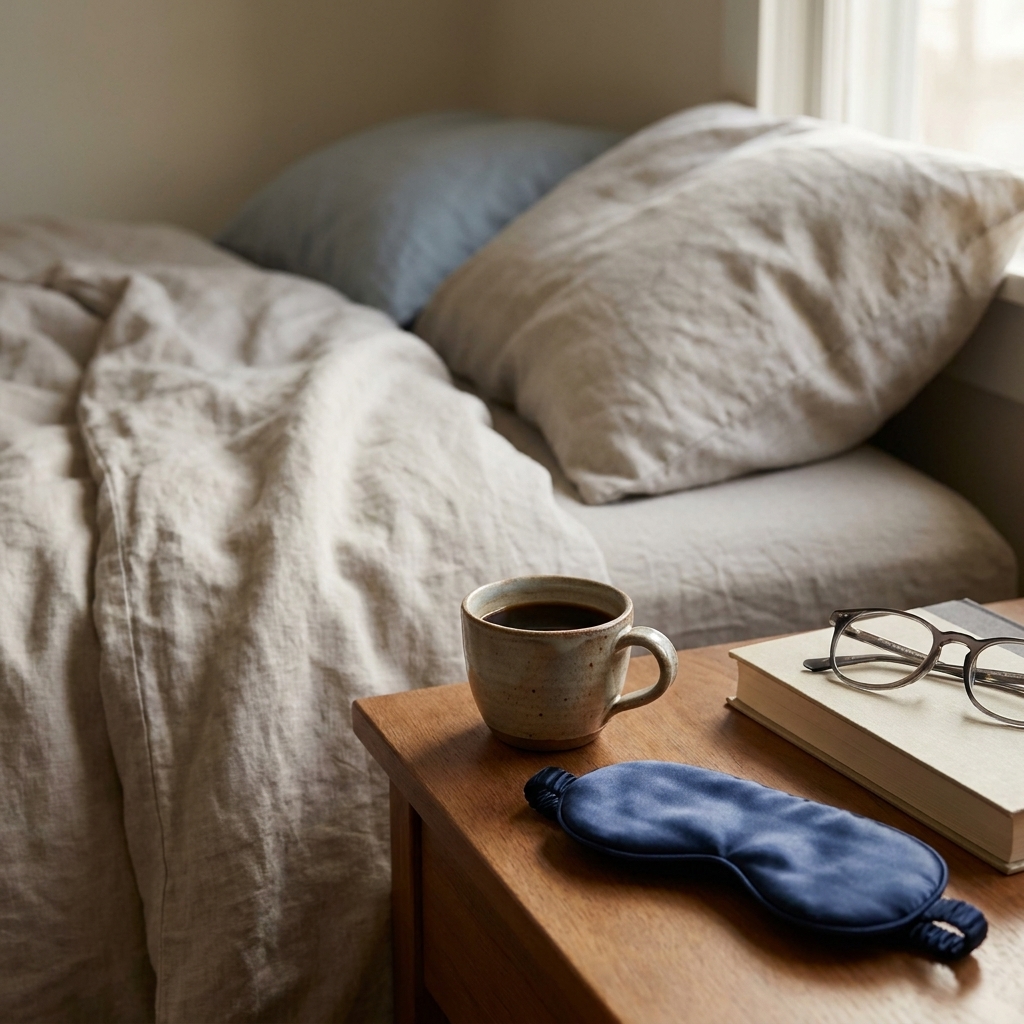
- Lower the lights or use an eye mask.
- Try gentle background sound if silence feels too loud.
- Use a light blanket. Your body temperature can drop as you fall asleep.
3) Add a mini wind-down cue
Give your brain a clear signal that this is a quick reset, not a scroll session. Put your phone on Do Not Disturb, and try 60 seconds of slow breathing or a short body scan before you close your eyes.
4) Get comfy, but not too comfy
If you are prone to accidentally sleeping for two hours, nap somewhere that signals “rest” but not “hibernation.” A couch, recliner, or bed with a throw blanket can help you wake up more easily. If insomnia is an issue for you, consider avoiding bed naps so your brain keeps associating your bed with nighttime sleep.
5) Try the coffee nap (yes, really)
This is a fun one. Caffeine often takes about 15 to 30 minutes to kick in. Some folks drink a small coffee or espresso, then immediately take a 15 to 20 minute nap. You may wake up feeling extra clear because the caffeine is arriving as you come out of the nap.
If you are sensitive to caffeine or it impacts your nighttime sleep, keep this to earlier in the day and choose a smaller amount.
How to wake up clear
Even a perfect nap can leave you a little fuzzy for a minute. The goal is a gentle landing, not a dramatic launch.
Give yourself a 5 minute reboot
- Sit up and take 5 slow breaths.
- Drink water, even just a few sips.
- Get light in your eyes, step outside if you can.
- Move for 60 seconds: shoulder rolls, a short walk, a few stretches.
Use a softer alarm if possible
Being ripped out of sleep by an aggressive alarm can intensify grogginess. If you can choose a gentler tone, your nervous system will thank you.
Troubleshooting
“I cannot fall asleep in 20 minutes.”
Totally normal. You can still get benefits from quiet rest. Try a body scan , slow breathing, or simply closing your eyes and letting your brain idle. The win is nervous system downshifting, not performing sleep on command.
“I always wake up groggy.”
Experiment with either 10 to 20 minutes or about 90 minutes. Also check your nap timing. If you nap late afternoon, your body may be fighting sleep at first and then dropping deeper right when you need to wake up.
“Naps mess with my nighttime sleep.”
Shorten the nap, move it earlier, or limit naps to days you truly need them. If insomnia is a frequent struggle, consider avoiding naps for a week and see if nighttime sleep improves. If sleep issues are persistent or severe, it is worth talking with a healthcare professional.
“My naps turn into accidental marathons.”
Try a couch nap, keep the blanket light, and put your alarm across the room. Also, if you are regularly needing long daytime sleep, that can be a signal you are not getting enough quality sleep at night.
A gentle nap plan
If you want a simple starting point, here is a low drama experiment:
- Days 1 to 3: Nap at 1:30 pm for 15 to 20 minutes (set a 25 minute timer).
- Days 4 to 5: If you still feel groggy, switch to 10 minutes.
- Weekend option: If you are truly depleted, try one 90 minute nap earlier in the afternoon and see how your bedtime feels.
Track just two things: how you feel 30 minutes after waking, and whether bedtime feels normal. That is your personal data, and it matters more than any universal rule.
Elective Well reminder: a nap is not “lazy.” It is a tool. You are allowed to use it.
Quick nap FAQs
Is it better to nap in bed or on the couch?
Whichever helps you wake up on time. If bed makes you sleep too long, the couch is your friend. If the couch makes you tense, a bed nap with a light blanket can be perfect. If insomnia is a concern, many people do better keeping naps out of bed.
Should I nap every day?
Some people thrive with daily short naps, especially if their schedule is early or demanding. Others sleep best at night when they skip naps. If you are experimenting, start with 2 to 4 naps per week and adjust based on nighttime sleep quality.
What if I nap and still feel tired?
That can happen if you are carrying significant sleep debt, if the nap was too long, or if you woke from deep sleep. Try a shorter nap next time, prioritize nighttime sleep when you can, and consider checking in with a professional if fatigue is persistent.
When should I talk to a professional?
If you have frequent excessive daytime sleepiness, need long naps most days, snore loudly or gasp during sleep, or feel unrefreshed no matter what you do, it is worth discussing with a healthcare professional. Sleep is health, and you deserve support.
Do certain people need different nap advice?
Yes. Teens, pregnant people, and anyone on medications that affect alertness or sleep may need a different approach. If you have anxiety or panic symptoms that get worse around sleep, keep naps very short and calming, and consider personalized guidance.