There are two kinds of recovery people in this world: the ones who want to melt into a steamy bath like a teabag, and the ones who want to cannonball into icy water and feel reborn. I have affection for both camps. I also have a deep belief that recovery should feel like relief, not a dare.
So let’s make this simple and body-friendly. Warm baths and cold plunges can both be powerful recovery rituals. They just shine in different situations, and they ask different things from your nervous system.
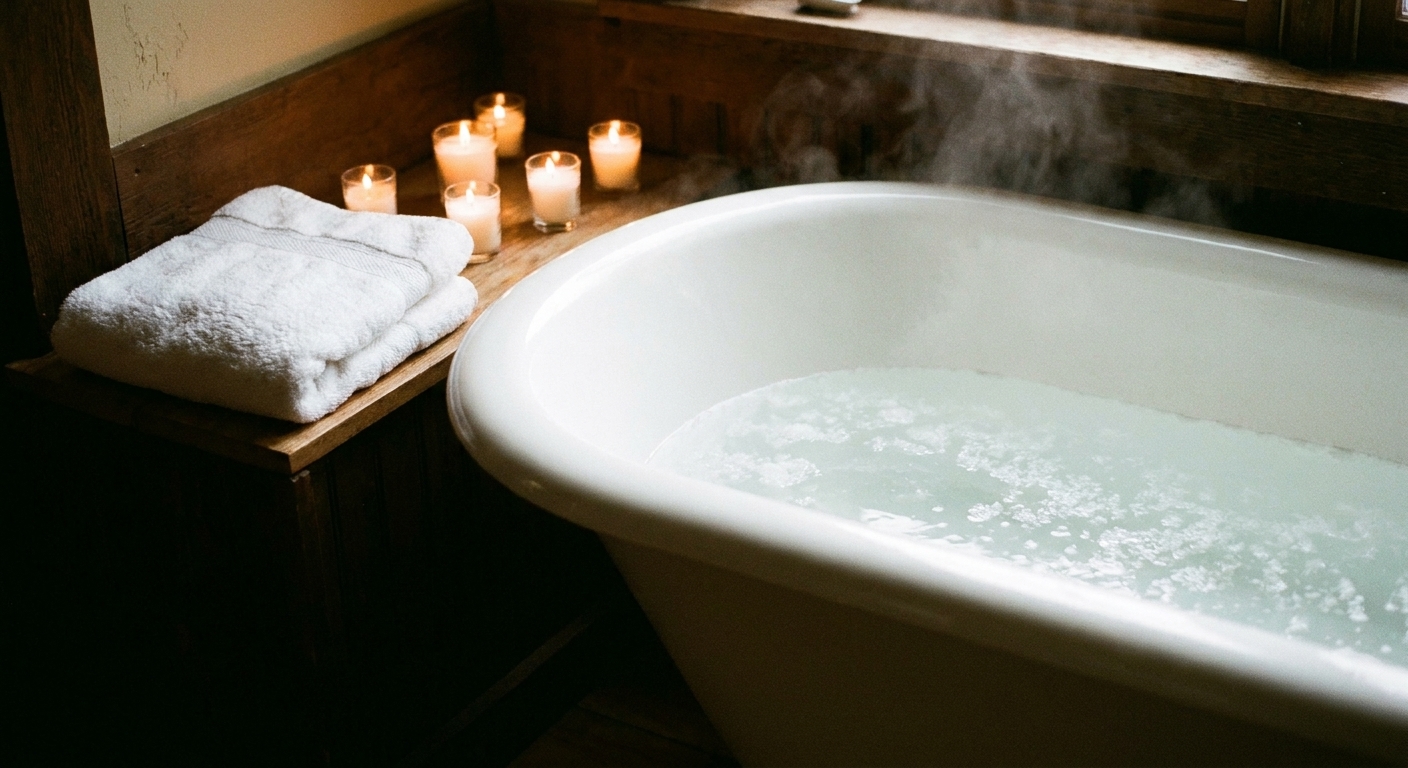
Quick vibe check:
- Choose warm if you want relaxation, better sleep , muscle ease, and an emotional exhale.
- Choose cold if you want a short, energizing reset, less perceived soreness after hard training, and a mental edge.
How warm baths and cold plunges work
Both rituals are forms of temperature therapy. They create a “stress, then settle” effect in the body, but in opposite directions.
Warm bath basics
Warm water encourages blood vessels to widen (vasodilation), increases circulation to tissues, relaxes muscles, and tends to shift your nervous system toward a calmer state. It is the recovery ritual equivalent of being told, “You can put your shoulders down now.”
Cold plunge basics
Cold exposure causes blood vessels to narrow (vasoconstriction), which can temporarily limit swelling in the area and change how soreness feels. Evidence on “inflammation reduction” is mixed depending on the protocol and what outcome is being measured, so I like to keep the claim honest: many people feel less sore after, and that matters.
Cold also triggers an alerting response in the nervous system, which is why it can feel like instant focus. The recovery effect often comes after, when you warm back up and your body finds equilibrium again.
What counts as a “cold plunge”?
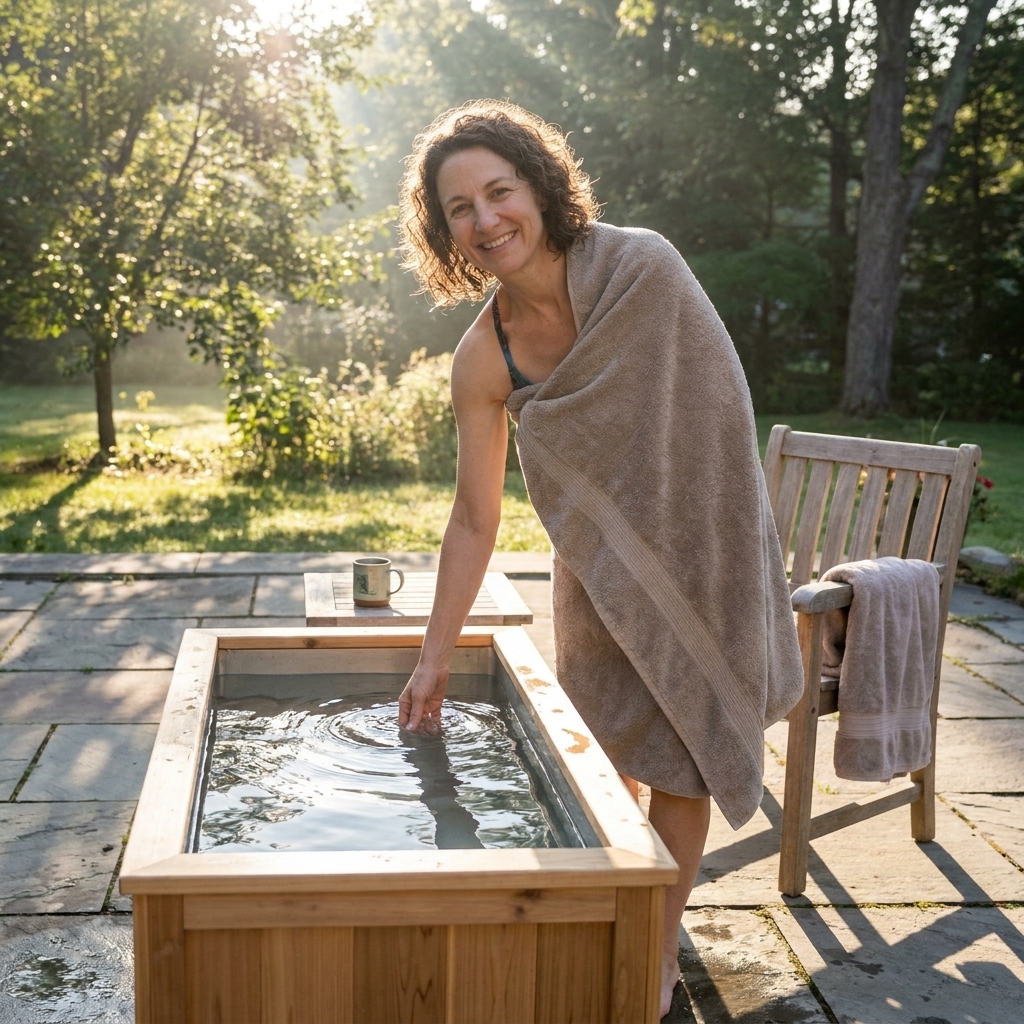
Most people mean brief cold water immersion for a few minutes, often somewhere around 10 to 15°C (50 to 59°F). But your “effective” cold might be warmer than that at first. If you can calm your breathing quickly , you are in a workable zone.
Warm baths: benefits and best uses
Warm baths are a low-barrier recovery tool. You do not need special equipment, and the “learning curve” is basically just remembering to drink water and not make the bath lava-hot.
Benefits you can actually feel
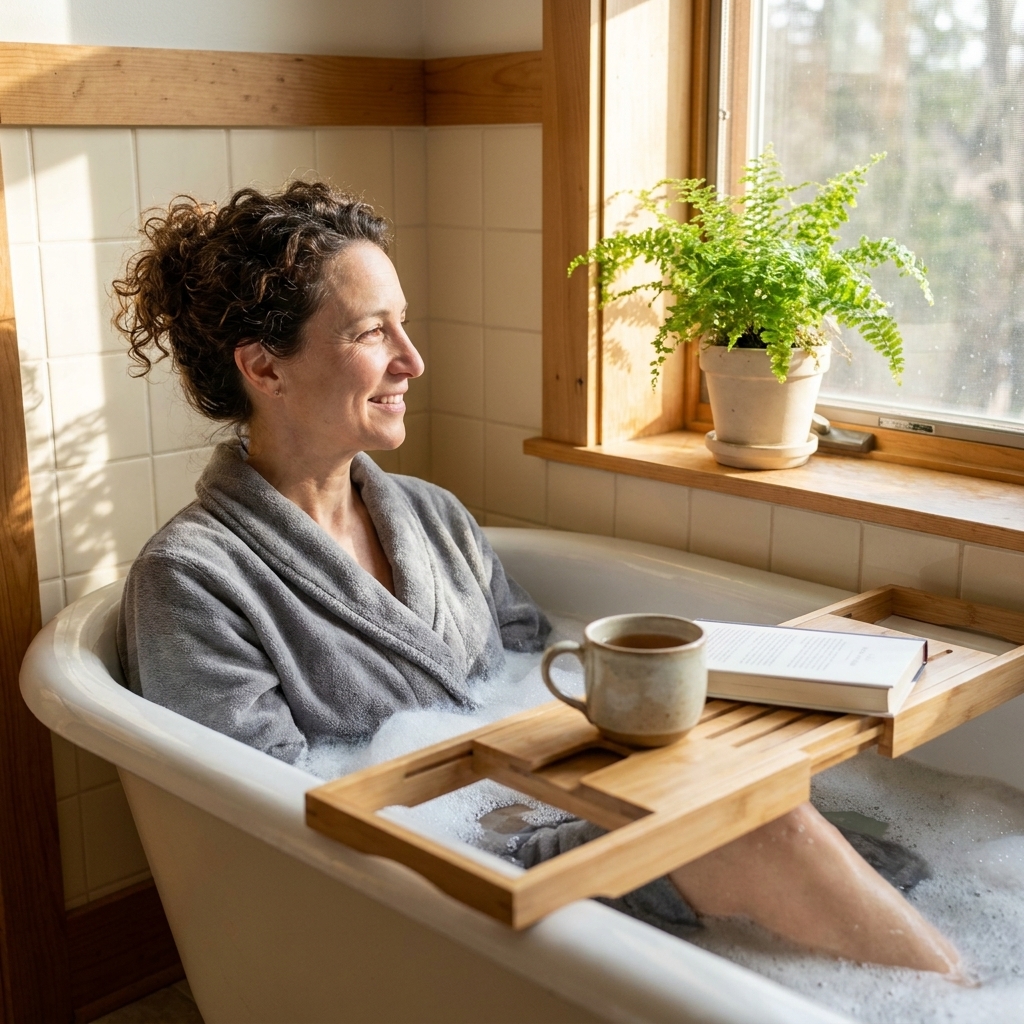
- Muscle relaxation and tension release: Warmth helps tight muscles loosen, which can be especially soothing after long sitting, travel days, or strength training.
- Stress relief: Warm water tends to downshift the body out of fight-or-flight. Many people experience a noticeable mood softening.
- Sleep support: A warm bath 1 to 2 hours before bed can support sleep for some people. The key is the cool-down afterward. Warming the skin can help your core temperature drop after you get out, which can cue sleepiness.
- Comfort for aches: For general soreness and stiffness, warmth can feel like a gentle “yes” from your body.
How warm is “warm”?
Comfortably warm, not scalding. A common guideline is about 37 to 40°C (98 to 104°F), but your body gets the final vote. If your skin is red, your heart is pounding, or you feel dizzy, it is too hot.
What about Epsom salt?
Epsom salt is magnesium sulfate. Many people swear by it for muscle soreness and relaxation. Research on magnesium absorption through skin is mixed and not well-established, so the benefits are likely coming from the heat, the quiet, the buoyancy, and the ritual. Still counts. Still helpful.
How to use it: A common range is 1 to 2 cups in a standard tub. Dissolve fully before settling in, and skip it if it irritates your skin.
Best timing for warm baths
- After a stressful day when your mind is busy and your body feels wired.
- In the evening to support relaxation and sleep.
- On rest days as restorative recovery, especially paired with gentle stretching .
Cold plunges: benefits and best uses
Cold plunges can be a legit recovery tool. They can also become a badge-of-honor habit that adds stress when you are already stressed. The goal is not to “tough it out.” The goal is to use cold as a targeted tool.
What you might notice
- Less perceived soreness after high-intensity training: Cold water immersion may help with delayed-onset muscle soreness, particularly after intense sessions or competitions. It may not speed “muscle repair” in a magical way, but it can change pain perception and make you feel more functional the next day.
- A quick mood and energy lift: The cold shock can create a short-term boost in alertness and perceived energy.
- Mental resilience practice: For some people, cold exposure is a contained way to practice staying calm under discomfort. If you leave the plunge feeling steady, not depleted, that is a win.
Best timing for cold plunges
- After very intense training when soreness and swelling are your main concern.
- Earlier in the day if it energizes you and does not spike your stress.
- Not immediately after strength training if your main goal is muscle growth. Some evidence suggests cold exposure right after lifting, especially if done frequently, may blunt certain strength and hypertrophy adaptations. If you love both, consider spacing cold exposure several hours away from lifting, or use it on non-lifting days.
How cold is “cold”?
Cold enough to feel challenging, but not so cold that you panic or lose control of your breath. Many protocols land around 10 to 15°C (50 to 59°F). Beginners often do better starting warmer and shorter, then building tolerance slowly.
Warm vs. cold: what to choose
If your goal is relaxation and sleep
Warm bath wins. It is naturally soothing for the nervous system and easier to pair with a bedtime wind-down routine.
If your goal is post-workout soreness relief
It depends.
- Warm can feel best for overall tightness, stiffness, and “I did a lot of life today” fatigue.
- Cold can be helpful after especially hard training blocks, races, or high-impact sessions, mainly for soreness perception and that “less puffy” feeling.
If you are feeling anxious or overstimulated
Usually warm. Cold can be grounding for some people, but for others it can feel like adding alarm bells to an already loud day. If your stress levels are high, choose the ritual that leaves you softer afterward.
If you are dealing with swelling
Cold may help short term by constricting blood vessels and temporarily limiting swelling sensations. But it is not a cure-all, and ongoing inflammation or swelling should be discussed with a clinician.
If you want a ritual you will actually do
Pick the one that feels doable. The best recovery ritual is the one you will repeat without dread. Consistency beats intensity almost every time.
Safety first
I am all for elective wellness, but not elective danger. Temperature therapy is generally safe for healthy adults, yet there are important exceptions.
Warm bath cautions
- Avoid water that is uncomfortably hot. If you feel lightheaded, nauseated, or flushed, get out and cool down.
- Avoid alcohol before heat exposure. Heat plus dehydration plus lowered blood pressure is not a cute combo.
- If you are pregnant, have low blood pressure, or have cardiovascular concerns, ask your medical provider about safe bath temperatures and timing.
- Hydrate, especially if you sweat easily in warm water.
Cold plunge cautions
- Cold shock is real. Rapid breathing and a racing heart can happen immediately. Ease in, and keep your first sessions short.
- Avoid cold plunges if you have uncontrolled high blood pressure, heart disease, arrhythmias, a history of fainting, or you are pregnant, unless cleared by your clinician.
- Never plunge alone if you are new to cold exposure or prone to dizziness.
- Stop if you feel numbness, chest pain, confusion, or severe shivering. Rewarm gradually.
If you have Raynaud’s, neuropathy, or circulation issues: Cold exposure may be risky. Get medical guidance first.
Your simple “pick me” guide
If choosing feels overwhelming, use this unsexy but effective decision tree.
Pick a warm bath if you...
- want to unwind, sleep better, or reduce stress
- feel tight from sitting, travel, or gentle workouts
- need comfort more than adrenaline
- are building a calming nighttime routine
Pick a cold plunge if you...
- just did a very intense workout and soreness is the main issue
- want a quick energizing reset earlier in the day
- enjoy the mental challenge and feel good after, not shaky
- can commit to safe, gradual exposure
Try contrast if you love both
Some people feel amazing alternating hot and cold. Keep it gentle and simple:
- Warm 3 minutes
- Cold 30 to 60 seconds
- Repeat 2 to 3 rounds
End in a way that supports your goal. For sleep, many people prefer ending warm. For alertness, they may end cold. If contrast leaves you wired at night, save it for daytime.
Easy routines
The “exhale” Epsom soak (20 to 30 minutes)
- Fill the tub with comfortably warm water.
- Add 1 to 2 cups of Epsom salt and dissolve.
- Dim the lights. Put your phone on the other side of the room.
- Try 4 slow breaths in, 6 slow breaths out for 3 minutes.
- After: rinse if your skin is sensitive, moisturize, and sip water or herbal tea.
The beginner cold plunge (30 to 90 seconds)
- Set a timer before you get in.
- Start with cool water, not ice-bath misery.
- Focus on long exhales to settle your breathing.
- Get out while you still feel in control.
- After: rewarm with dry clothes, a light walk, or a warm drink.
The post-workout compromise
If you lift heavy and also love cold, try spacing them out. Lift first, refuel, and consider saving cold exposure for later in the day or on a non-lifting day. Your body gets the recovery ritual without potentially stepping on your strength goals.
FAQ
How hot should a recovery bath be?
Comfortably warm, not scalding. Many people do well around 37 to 40°C (98 to 104°F). If your skin is red, your heart is pounding, or you feel dizzy, it is too hot.
How cold should a cold plunge be?
Cold enough to feel challenging, but not so cold that you panic or lose control of your breath. Many protocols use about 10 to 15°C (50 to 59°F), but beginners often do better starting warmer and shorter. If you cannot calm your breathing within the first 15 to 30 seconds, it is probably too intense for today.
Is a cold shower the same as a cold plunge?
Not exactly, but it can be a great entry point. Cold showers tend to feel less intense than full-body immersion, and they are easier to do safely at home. If you like cold showers, you may enjoy plunges. If cold showers feel awful, you do not have to “graduate.”
Can I do either ritual every day?
Warm baths can be a frequent ritual if your skin tolerates it and you stay hydrated. Cold plunges every day can be fine for some people, but if you notice sleep disruption, increased irritability, or feeling constantly “amped,” scale back. Recovery is supposed to restore you.
Which is better for anxiety?
Many people find warm baths more consistently soothing. Cold can be grounding for some, but it can also spike adrenaline. Your best cue is how you feel 20 minutes later. Choose the ritual that leaves you steadier.
My honest take
If you are craving calm, choose the warm bath. If you are craving a crisp reset and your body responds well to cold, try the plunge. And if your nervous system is begging for kindness, let recovery be kind.
Your ritual does not need to be impressive. It just needs to make you feel better in your own skin. That is the whole point of Elective Well.