If you have ever stood outside a studio door thinking, Am I a Zumba person or a barre person? you are very much not alone. Both classes can be joyful, sweaty, and confidence-boosting, but they feel wildly different once you are in the room.
Zumba is the “turn up the music and move like nobody’s watching” option. Barre is the “tiny pulses, deep shakes, and surprisingly powerful posture boost” option. Neither is better. The best class is the one you will show up for consistently and leave feeling more like yourself.
The quick vibe check
Zumba energy
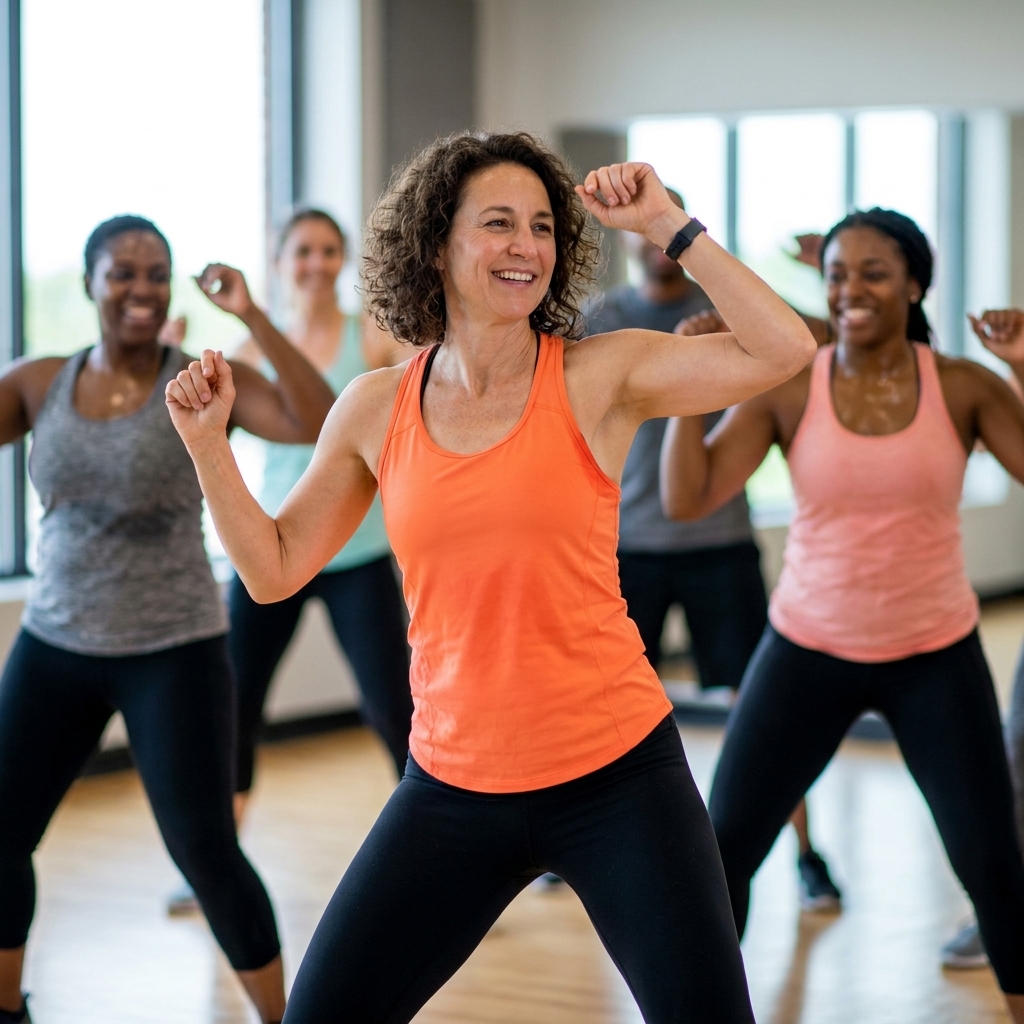
Think dance party meets cardio intervals. You follow the instructor through choreographed routines set to upbeat music, often Latin-inspired (salsa, merengue, reggaeton) plus pop and global tracks depending on the instructor. The goal is to keep moving, keep smiling, and let the music carry you through the workout.
Barre energy
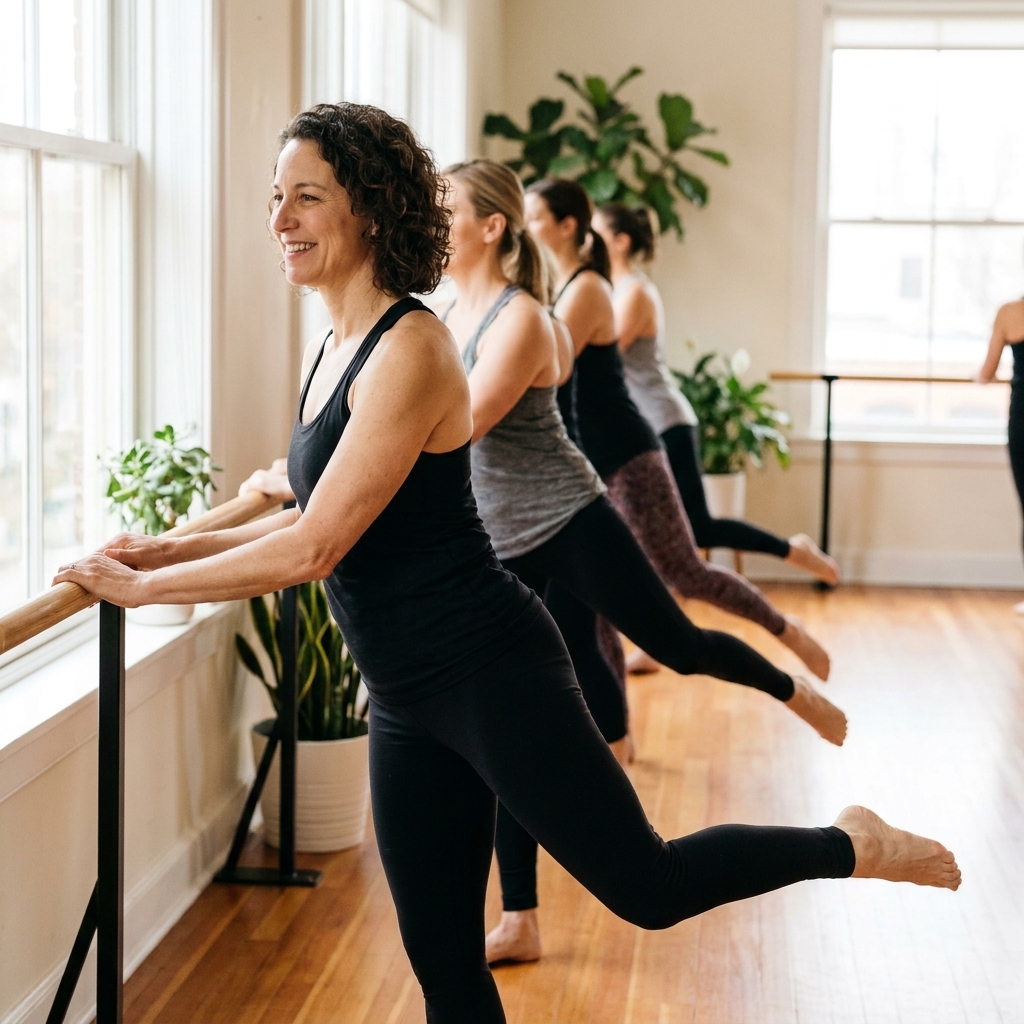
Think ballet-meets-Pilates-meets-strength training. You do small, precise movements (pulses, holds, micro lifts) often using a ballet barre (or a chair), light weights, and sometimes a ball or resistance band. It is calm on the outside, fierce on the inside. Barre is famous for “the shake,” when muscles fatigue in a very specific, controlled way.
What happens in class
Inside a typical Zumba class
- Warm-up: easy choreography to gradually raise your heart rate
- Main sets: dance routines that alternate between higher intensity songs and recovery songs
- Optional add-ons: some instructors add toning tracks using light weights or incorporate squats and lunges
- Cool-down: slower songs with stretching
You do not need to “get the moves right” to get a great workout. Zumba is about participation, not perfection. If you can step-touch and keep going, you belong there.
Inside a typical barre class
- Warm-up: core and posture-focused work, often standing or on the mat
- Leg series at the barre: plié-style positions, calf raises, small lifts and pulses
- Seat and hamstring work: glute-focused sets that burn in a very targeted way
- Upper body: light dumbbells with high reps, plus shoulder and back stability
- Core finisher: planks, curls, and deep abdominal engagement
- Stretch: flexibility plus a shift into recovery
Barre often feels “easy” for about 90 seconds, and then your body politely informs you it is doing real strength work. The intensity comes from control, time under tension, and form.
How they feel
Cardio and breath
Zumba: Typically higher cardio demand for most people, with lots of movement through space and quick changes in tempo. Expect to breathe heavier and sweat more quickly.
Barre: Can still elevate your heart rate, but usually in waves. You might feel your breath spike during long sets (hello, thighs), then settle during form resets and stretching.
Muscle focus
Zumba: Full-body in a functional, dynamic way. You will feel it in your legs and glutes from constant stepping, plus core engagement from twists and arm patterns. Strength gains depend on how much resistance work your class includes.
Barre: Very targeted. Common “hot spots” are thighs, glutes, calves, core, and shoulders. Many people report improved posture and stability over time because barre is so alignment-driven.
Joint impact
Zumba: Often moderate impact depending on the choreography. Many moves can be modified to low-impact by keeping one foot on the floor and reducing jumps.
Barre: Generally low impact, with lots of controlled range of motion. Great if you want intensity without pounding, though your joints will still appreciate good alignment and gentle modifications if needed.
Benefits side by side
Choose Zumba if you want
- A quick mood lift (music + group energy is a powerful combo)
- Cardio that feels playful and not like “treadmill time”
- More variety from song to song and instructor to instructor
- A social vibe where laughing at yourself is basically part of the class
Choose barre if you want
- Strength and tone through controlled, high-rep work
- Posture support and mind-body connection
- Low-impact intensity that still challenges you
- Clear structure and a steady, focused atmosphere
About calorie burn
Calories vary a lot based on your size, effort, class format, and instructor style. As a general trend, Zumba can burn more calories per hour than barre because it is often more cardio-driven, but a high-effort barre class can still be a serious workout. If numbers help you, consider using a wearable for a few sessions and compare your own averages.
If your goal is “feel good in my body,” consider this your friendly reminder: the best metric is whether you leave class feeling energized, proud, and likely to come back.
Time and frequency
Typical class length: Most Zumba and barre classes run 45 to 60 minutes, though express formats (30 minutes) and longer formats exist.
How often to go: For general fitness, 2 to 4 classes per week is a realistic sweet spot for many people. If you are new, even 1 to 2 classes per week is a strong start. Consistency beats intensity.
How fast you will feel it: In Zumba, you usually feel the cardio and mood boost immediately, and the choreography starts to click after a few classes. In barre, you will notice muscle fatigue right away, and form, stability, and control tend to build steadily over a few weeks.
Beginner notes
If you are new to Zumba
At first, you might feel one beat behind. Totally normal. Give yourself 2 to 4 classes to learn the instructor’s style and common steps. Stand where you can see the instructor clearly, and focus on big movements rather than perfect arms.
- Beginner tip: Keep the feet simple. Step-touch is your best friend.
- Form cue: Soft knees, relaxed shoulders, and core gently engaged.
- Mindset: You are allowed to be joyfully uncoordinated while you learn.
If you are new to barre
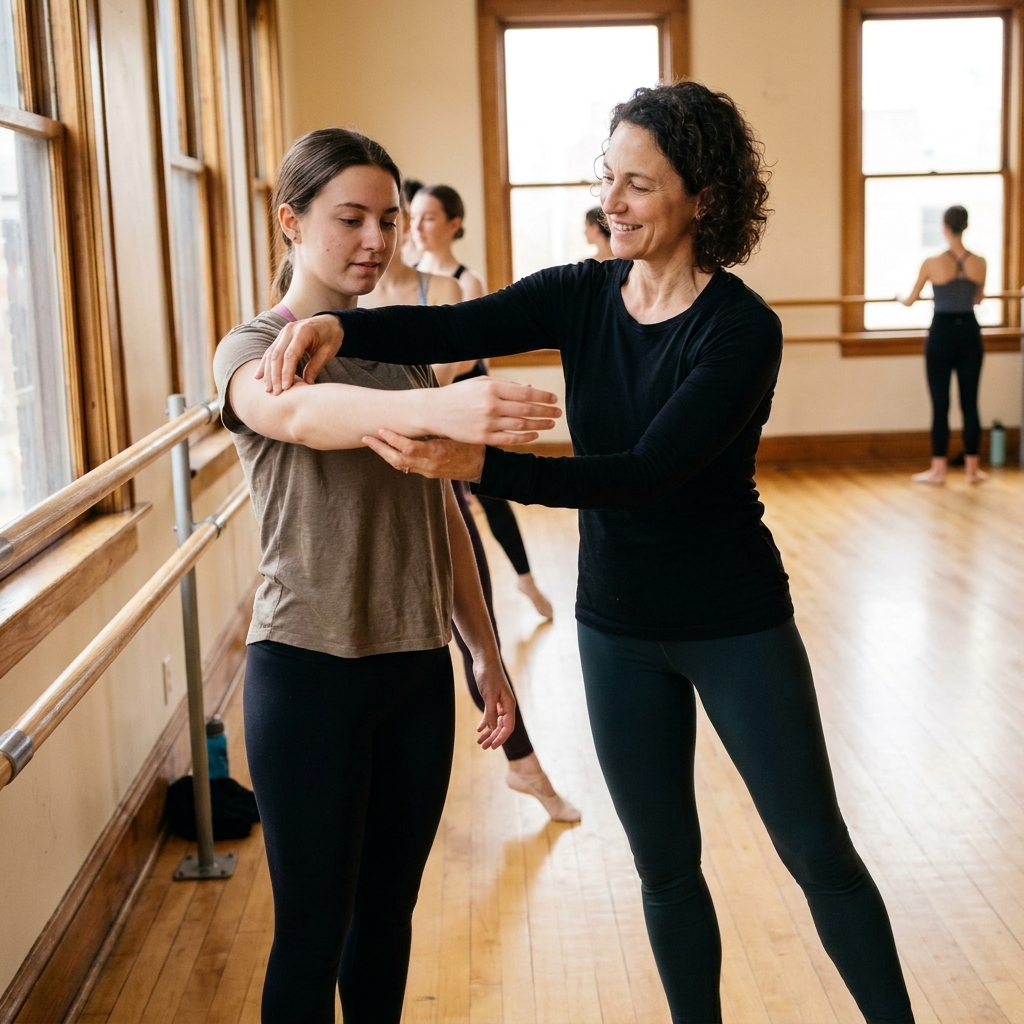
Your muscles will likely shake, and it might surprise you. Barre is less about range and more about alignment and endurance. Tell your instructor you are new so they can offer modifications and check your form.
- Beginner tip: Work smaller than you think you need to. Smaller is often harder in barre.
- Form cue: Neutral spine, ribs stacked over hips, and a light grip on the barre.
- Mindset: Shaking is feedback, not failure.
Who it suits
Zumba can be a great fit if you
- Get motivated by music, rhythm, and group energy
- Want a workout that feels like a celebration
- Prefer less verbal cueing and more follow-the-leader movement
- Need stress relief after a long day and want to shake it off
Barre can be a great fit if you
- Love structure and clear progress markers (holds, reps, form)
- Want strength + mobility in one class
- Enjoy focused, quieter intensity instead of party energy
- Want to build stability and body awareness
If you have specific considerations
- Knees: Both can work with smart modifications. In Zumba, choose low-impact options. In barre, prioritize alignment and reduce range in deep knee bends.
- Low back: In barre, keep core engagement gentle but consistent and avoid over-arching. In Zumba, keep your core active during twists and avoid snapping movements.
- Pregnancy or postpartum: Get individualized guidance from a qualified professional and follow your clinician’s clearance. Many studios offer prenatal-friendly modifications. Postpartum, barre may be helpful for rebuilding stability and deep core coordination when it is appropriately modified, but avoid crunch-heavy work early on if you have diastasis recti or pelvic floor symptoms, and prioritize rehab-focused options.
Safety and red flags
Modify or pause if you feel sharp pain, numbness or tingling, dizziness, chest pain, or pelvic heaviness/pressure. Tell your instructor, take a breather, and choose a lower-impact option. If something feels off beyond normal muscle fatigue, check in with a clinician, especially if you are managing an injury or returning postpartum.
What to wear
Zumba essentials
- Shoes: supportive cross-trainers with a pivot-friendly sole (avoid super-grippy running shoes that make turning harder)
- Clothes: breathable and sweat-friendly
- Bring: water, small towel, optional light layers for warm-up
Barre essentials
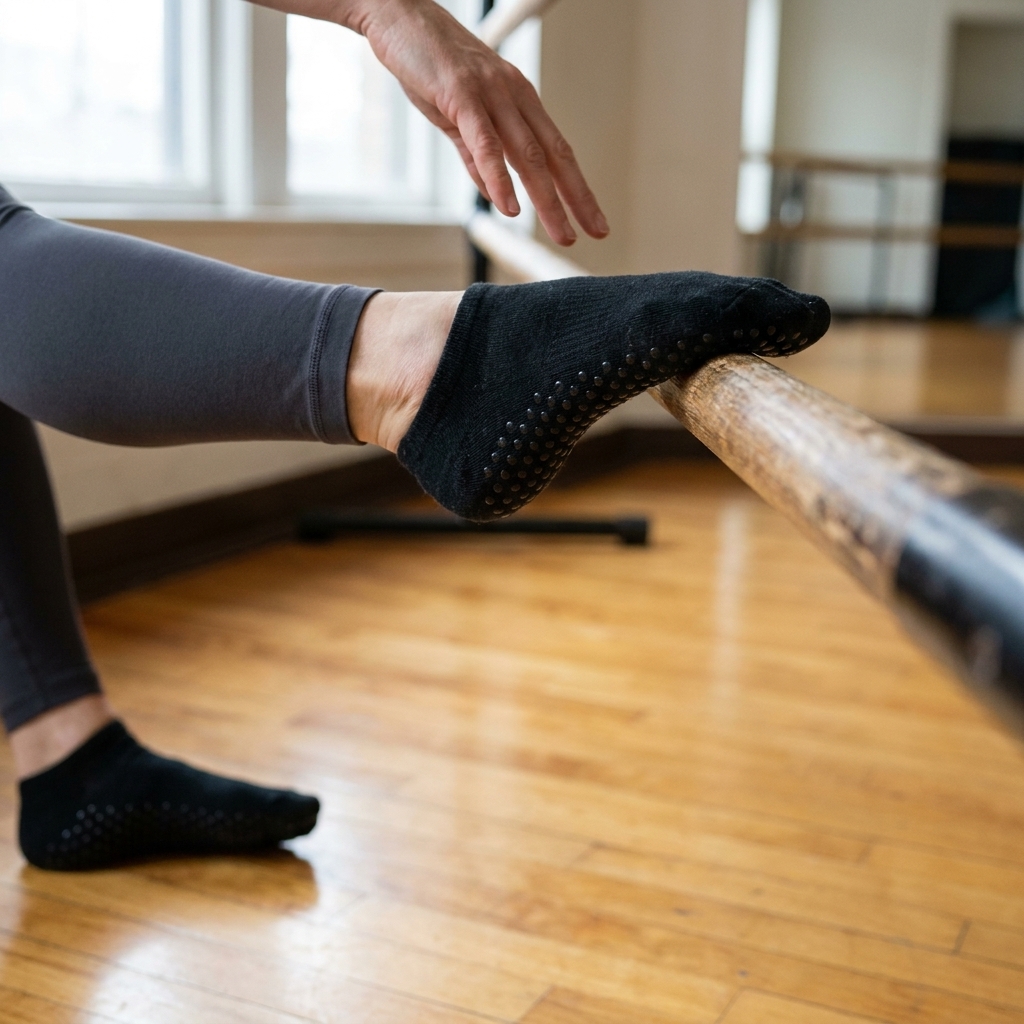
- Socks: grippy socks are ideal (many studios require them)
- Clothes: fitted enough that the instructor can see alignment (leggings and a tank work great)
- Bring: water, hair tie, and an open mind about the shakes
If you are at home
No studio access? You can still get the vibe.
- At-home Zumba: stream a beginner class, clear a little space, and keep it low-impact until you learn the patterns.
- At-home barre: use a sturdy chair or counter as your barre, a small pillow as a ball, and light dumbbells or water bottles for upper body work.
For both: start with 20 to 30 minutes, then build up as your endurance and confidence grow.
Decide in 60 seconds
If you are still torn, try this quick gut-check:
- If you want to sweat, smile, and dance, start with Zumba.
- If you want to strengthen, sculpt, and steady your mind, start with barre.
- If your motivation thrives on novelty, choose Zumba.
- If your motivation thrives on routine, choose barre.
And my favorite option: pick the one that feels more fun this week. Your body is allowed to have seasons.
A simple weekly plan
You do not have to pledge allegiance to just one class. If your schedule allows, pairing them can be a very good way to build balanced fitness.
- Option A (2 days/week): 1 Zumba + 1 barre
- Option B (3 days/week): 1 Zumba + 2 barre (great for strength focus)
- Option C (3 days/week): 2 Zumba + 1 barre (great for cardio and mood)
Between classes, add gentle walks, stretching, or restorative movement. Think: support, not punishment.
FAQ
Is barre only for dancers?
Nope. You do not need dance experience. Barre borrows ballet-inspired positions, but it is designed for everyday bodies and real-life strength.
Do I need rhythm for Zumba?
Rhythm helps, but it is not a prerequisite. If you can keep moving and laugh when you miss a step, you will do great. Most people improve quickly just by showing up.
Which is better for toning?
Barre tends to be more strength-forward, which many people associate with “toning.” Zumba can still support muscle definition, especially in the lower body, but its primary emphasis is cardio.
Which is better for stress?
Both can help. Zumba is great for emotional release and endorphins. Barre is great for nervous system calming through focused breath, posture, and controlled movement. Choose the flavor of stress relief you need that day.
What if I feel self-conscious?
This is so normal, especially the first class. A helpful trick: arrive early, choose a spot where you can see well, and remind yourself that everyone is focused on their own body and breath. Your only job is to keep going.
The bottom line
Zumba is your joyful cardio party. Barre is your graceful strength burn. Both can make you feel strong, capable, and more at home in your body.
If you want my simplest coaching nudge: try each one once, then pick the class you would happily do again even on a slightly messy week. That is the class that will change your life, gently and over time.