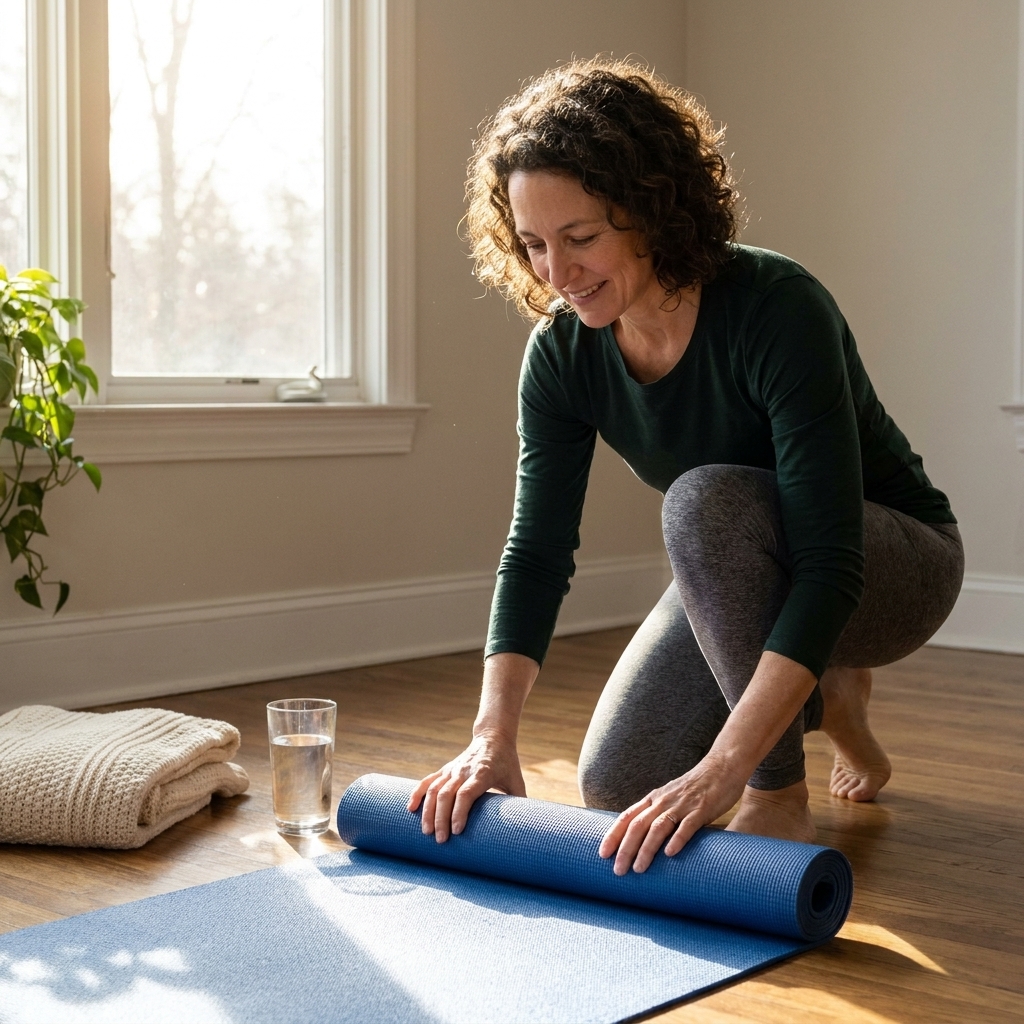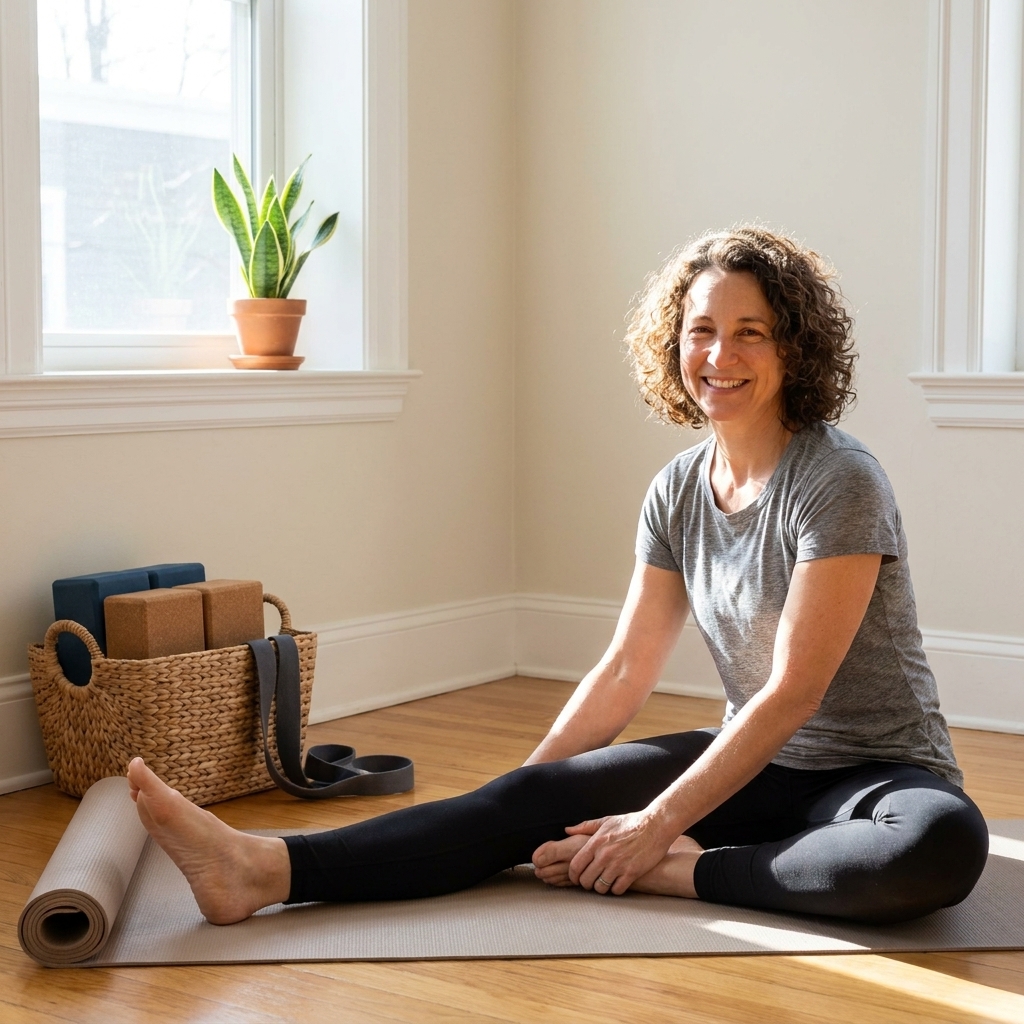
If you are craving a low-impact practice that makes you feel better in your body without turning movement into a punishment, you are in exactly the right place. Restorative yoga and mat Pilates can both be nourishing, just in different ways. One is an intentional exhale. The other is a quiet kind of strength.
This is not about picking the “better” practice. It is about choosing the right dose of rest and effort for the season you are in, and sometimes for the mood you are in today.
The vibe, in plain English
Restorative yoga
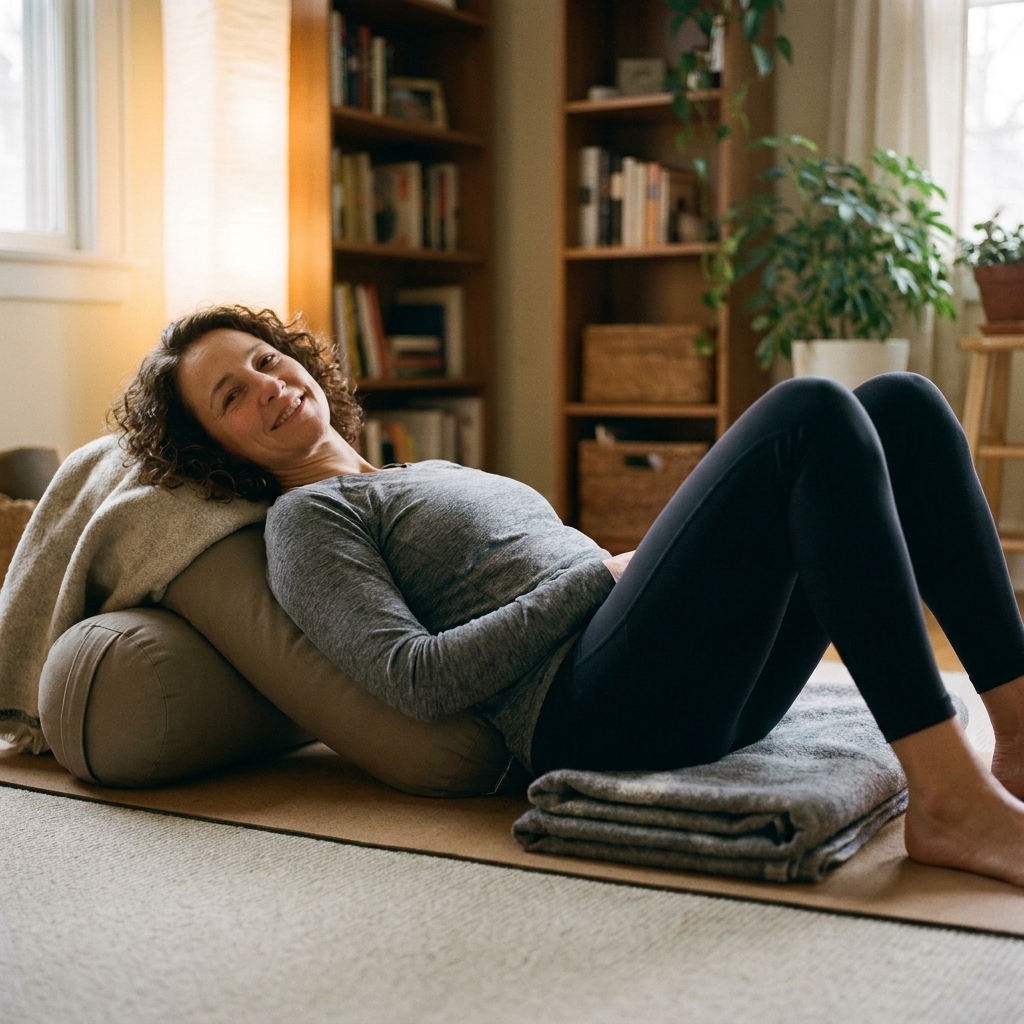
Restorative yoga is about being supported so your nervous system can downshift. Poses are passive and held for several minutes, often around 3 to 15 minutes (sometimes longer), using props like bolsters, blocks, and blankets. The goal is not stretching harder. The goal is letting go.
Restorative yoga is not yin yoga. Yin can involve stronger sensation and deeper, longer holds to target connective tissues. Restorative is more about comfort, support, and ease.
Mat Pilates
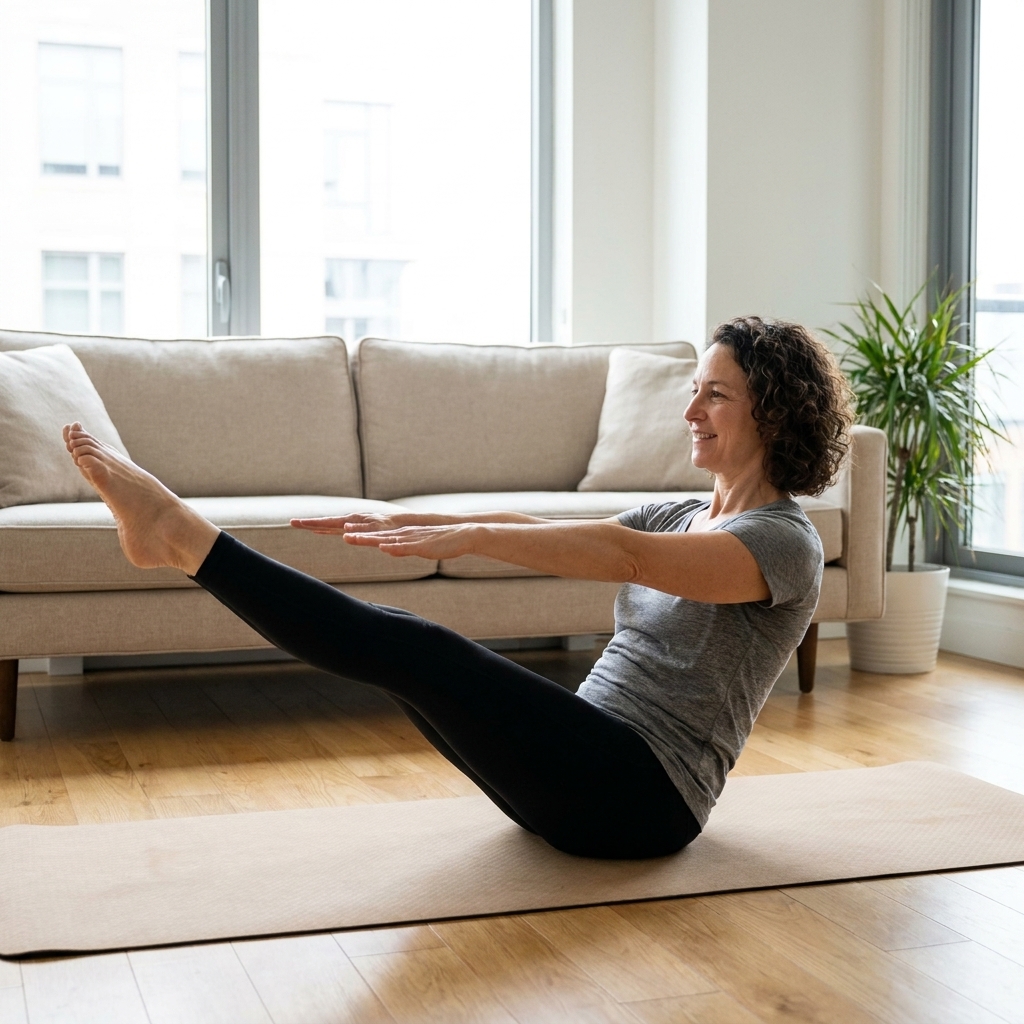
Mat Pilates is low-impact strength and mobility work, usually done in a steady sequence. You will use breath, alignment, and controlled repetition to build deep core strength, hip stability, and posture support. It is not about blasting through moves. It is about moving with intention.
One note: Pilates intensity varies a lot. Some classes feel therapeutic and beginner-friendly, and others are athletic and very challenging. Low-impact does not always mean easy.
What each practice does for your body
Restorative yoga benefits
- Helps you shift into rest mode: Long holds and support may encourage a calmer nervous system response, which can feel helpful when you are wired, overwhelmed, or stretched thin.
- Gentle mobility without forcing flexibility: Over time, you may notice easier range of motion because you are giving your body space to soften instead of pushing it.
- Lowered muscle guarding: If your body tends to brace (that background tension you do not always notice), restorative can help you practice letting it release.
- Recovery support: Many people love it on rest days, after travel, or during high-stress weeks.
Mat Pilates benefits
- Deep core strength: Think transverse abdominis, pelvic floor coordination, and trunk stability, the stuff that supports your everyday movements.
- Posture and alignment awareness: Pilates asks you to notice ribs, pelvis, shoulders, and head placement, which can translate to feeling better at your desk or on long walks .
- Hip and glute support: With consistent practice, many people feel steadier through the hips and lower back.
- Joint-friendly strength: It is low-impact, but it can absolutely be challenging in a smart way.
How it feels in the moment
This is often the deciding factor.
Restorative yoga feels like
- “Finally, I can breathe.”
- Warm heaviness in the limbs
- Softening through the jaw, shoulders, belly
- A quiet mind, or at least a quieter one
Mat Pilates feels like
- “I am working, but I am not wrecked.”
- Muscles shaking a little in the best way
- Focus and mental clarity
- A tall, supported feeling afterward
Which one fits your goals?
Stress relief and sleep
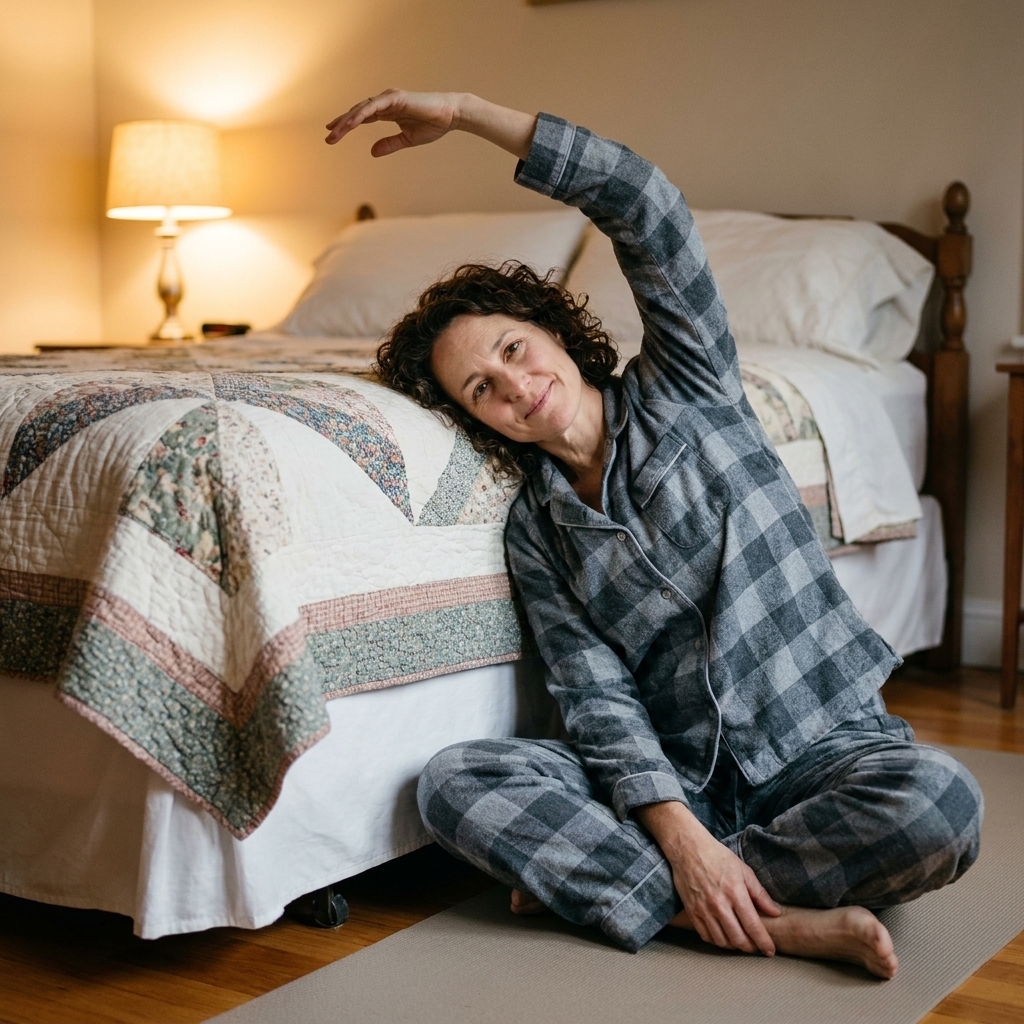
Restorative yoga often wins here. If your life feels like it is stuck on “go,” restorative can be a gentle off-ramp. Many people find it supports winding down and sleep quality, but it is not a guaranteed fix for insomnia. Try it in the evening, or anytime you want to signal to your system that it is safe to unwind.
Core strength and posture
Mat Pilates is your best friend. Consistency matters more than intensity here. Even two short sessions per week can help you build that “I feel more supported” shift.
Flexibility
It depends on what you mean by flexibility. If you want relaxed range of motion, restorative yoga is lovely. If you want flexible strength and control through range, mat Pilates can be amazing. Many bodies thrive with both.
Recovery
Restorative yoga is often the easier yes, especially when you feel depleted. Mat Pilates can still fit if you keep it gentle and technique-focused, not max-effort.
Time, space, and equipment
Restorative yoga setup
- Time: Best in 20 to 60 minutes because the benefits tend to show up with longer, more settled holds.
- Space: A quiet corner works.
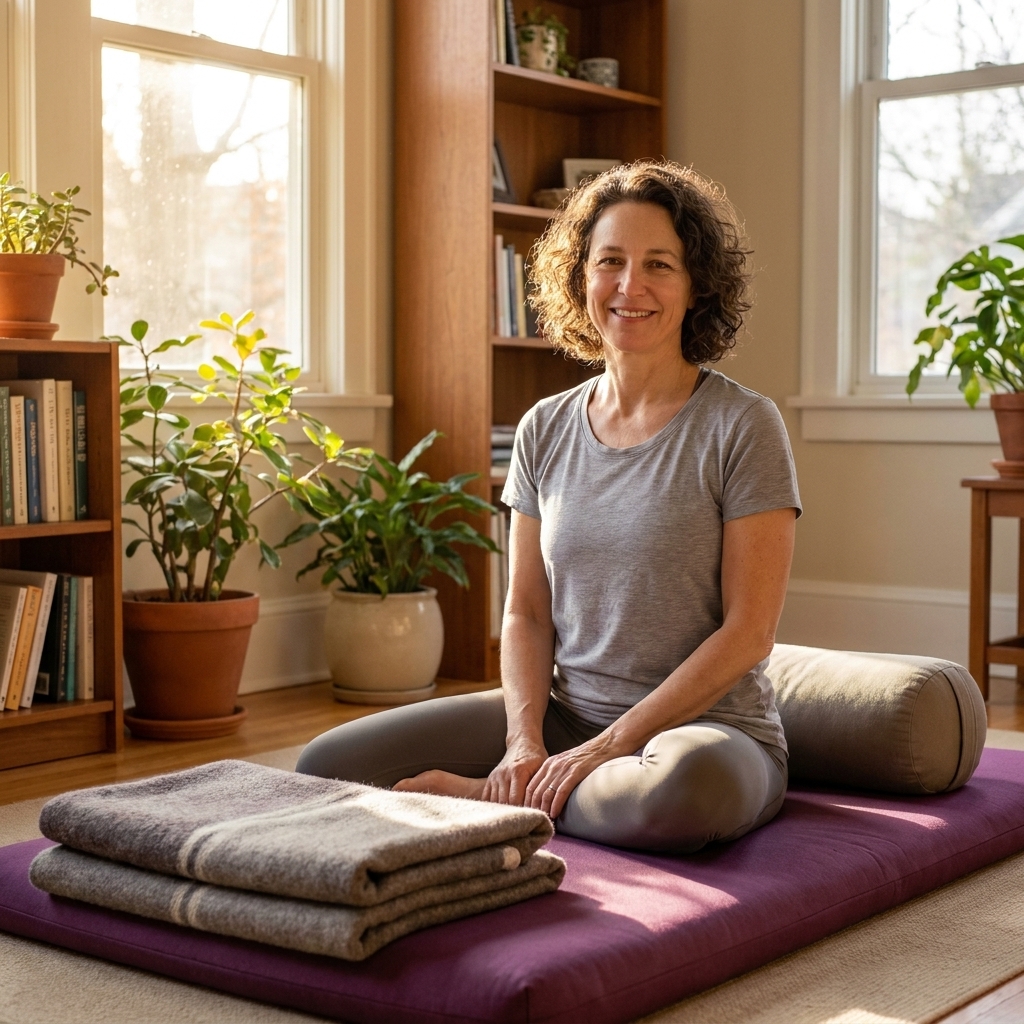
- Equipment: Bolster, blankets, blocks, an eye pillow if you want to feel fancy. At home, couch cushions and towels totally count.
Mat Pilates setup
- Time: 10 to 45 minutes can be effective.
- Space: Enough room to lie down and extend arms and legs.
- Equipment: A mat. Optional light props like a mini band or Pilates ball for variety.
How to choose for today
If decision fatigue is real right now, use this quick check-in.
Choose restorative yoga if you feel
- Overstimulated, anxious, or emotionally tender
- Like you cannot unclench your shoulders or jaw
- Burned out or run down
- Sore in a way that needs softness, not effort
Choose mat Pilates if you feel
- Restless, but not exhausted
- Like you want structure and focus
- Creaky from sitting and want “reset” strength
- Ready for gentle challenge without impact
My favorite rule: if you are asking, “Should I push through?” that is usually a restorative yoga day. If you are thinking, “I want to feel more together in my body,” that is often a mat Pilates day.
Doing both (my favorite blend)
Yes, and honestly, this combo can feel like the most sustainable kind of wellness. Here are a few easy ways to pair them without overthinking it.
Option 1: Pilates + 5 minutes of rest
- 10 to 30 minutes mat Pilates
- Finish with legs up the wall or a supported child’s pose for 5 minutes
Option 2: Alternate days
- 2 days per week mat Pilates
- 1 to 2 days per week restorative yoga
- Walks or gentle mobility on other days
Option 3: Same day, different goal
- Morning: short mat Pilates for posture and energy
- Evening: restorative yoga for nervous system calm
Beginner starting points
A simple restorative sequence (20 to 30 minutes)
- Supported reclined bound angle (5 to 8 minutes)
- Supported twist (4 to 6 minutes each side)
- Legs up the wall (5 to 10 minutes)
Tip: If your mind is busy, give it one job. Count slow exhales, or place one hand on your belly and feel it rise and fall.
A simple mat Pilates flow (15 to 25 minutes)
- Breath + spine position practice (1 to 2 minutes): find neutral spine, then try a gentle imprint (slight lower-back heaviness) and return to neutral
- Toe taps (8 to 12 per side)
- Glute bridges (10 to 12 reps)
- Dead bug variation (6 to 10 per side)
- Side-lying leg lifts (8 to 12 per side)
- Spine stretch forward (4 to 6 slow reps)
Tip: If your neck gets tense, lower your head down and keep the movement smaller. Pilates is not a pain contest.
Safety notes and mods
Low-impact does not automatically mean risk-free, and your body deserves respect.
- If you are hypermobile: In restorative yoga, avoid hanging into end ranges. Use more support and aim for “comfortably supported” rather than “deep.” In Pilates, prioritize control and stability over big range.
- If you have low back sensitivity: In Pilates, keep neutral spine when needed and move gradually with core engagement. In restorative yoga, support knees and hips generously in twists and reclined poses.
- If you are pregnant or postpartum: Both can be wonderful with the right options, but it is worth working with a qualified instructor and getting individualized guidance, especially postpartum core recovery and diastasis recti considerations. Later in pregnancy, prolonged time lying flat on your back may not feel good or may be discouraged for some people, so choose side-lying or more elevated options.
- If legs up the wall does not feel right: Skip it or elevate your legs on a couch instead. If you have certain eye pressure conditions (like glaucoma) or circulation or blood pressure concerns, check with your clinician about whether inverted legs-up positions are appropriate for you.
- If twists flare symptoms: Keep twists very gentle and supported, or skip them, especially if you are dealing with acute disc issues or sharp, radiating pain.
- If anything causes sharp pain, numbness, or tingling: Stop and check in with a healthcare professional.
FAQ
Is restorative yoga “enough” exercise?
It depends on what you need. Restorative yoga can be “enough” as a practice for stress regulation, recovery, and gentle mobility. If your goals include building strength, bone density, or cardio capacity (or meeting general activity guidelines), consider pairing restorative with walking, mat Pilates, or light strength work during the week.
Will mat Pilates help with tight hips?
Often, yes, especially if your tightness is really stiffness from sitting or weak support around the hips and core. Pilates strengthens and mobilizes, which can make hips feel more open over time. If you crave deep release, adding a restorative hip-support pose can feel incredible.
Which is better for beginners?
Both can be beginner-friendly. Restorative yoga is easier to start when you feel stressed or low-energy. Mat Pilates is great when you want guidance, structure, and a clear sense of progress. The best beginner practice is the one you will actually return to.
How often should I do each?
A sweet, realistic starting place is 1 to 2 mat Pilates sessions per week and 1 restorative yoga session per week. If life is a lot, even 10 minutes counts. Small wins build trust with your body.
Your low-impact flow
If you take nothing else from this: restorative yoga is a gift of rest, and mat Pilates is a gift of support. One helps you soften. The other helps you hold yourself with more ease.
And you do not have to choose forever. You can choose for today.