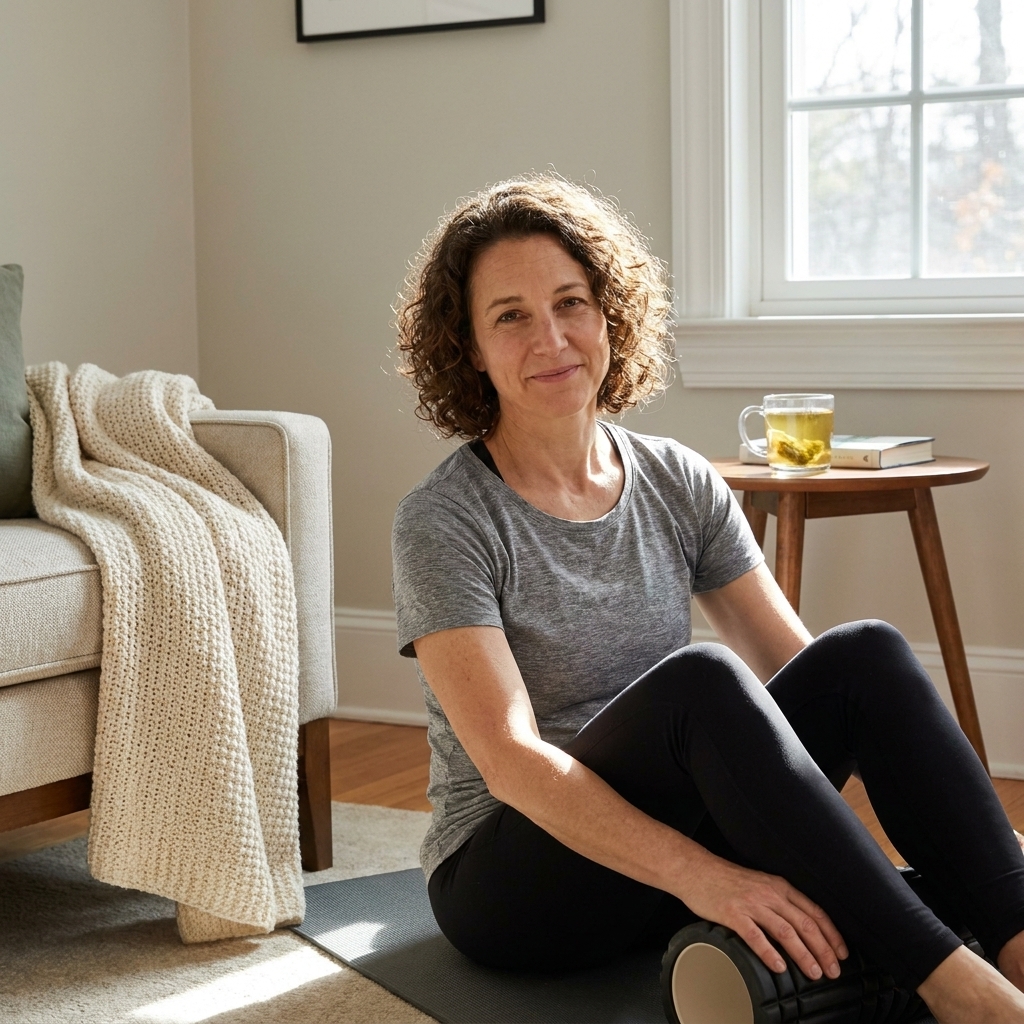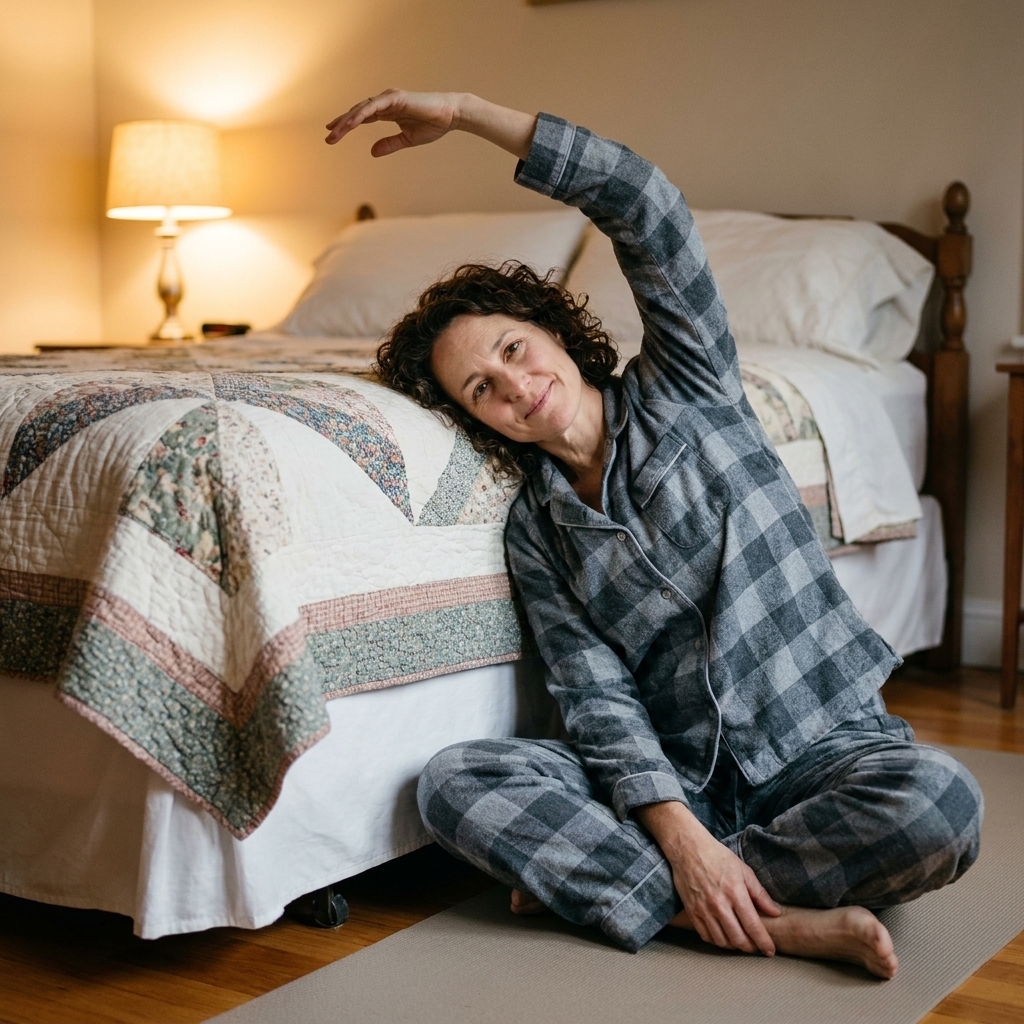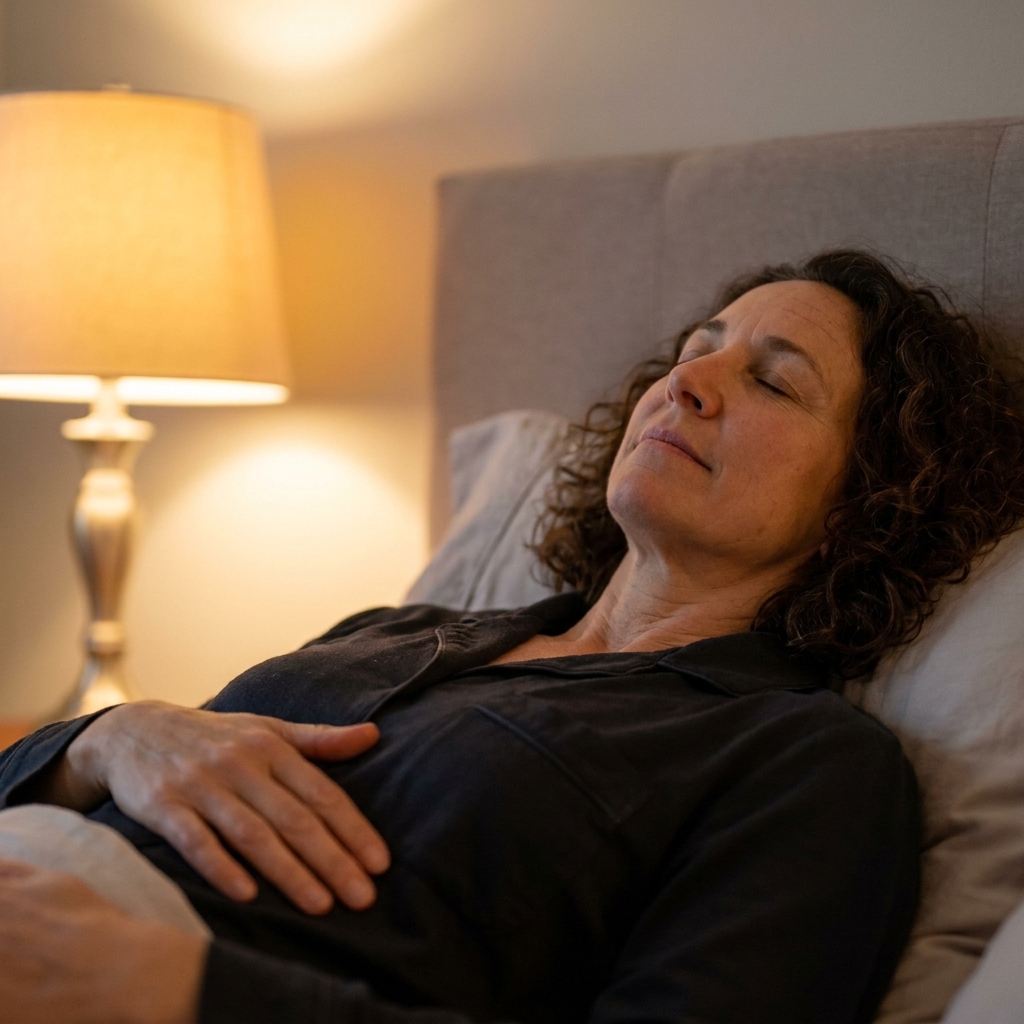
Rest days get a bad reputation. Some people treat them like a guilty secret, and others accidentally turn them into another hard workout in disguise. I like a third option: gentle active recovery . It is movement that helps your body feel better, not movement that leaves you more sore.
Think of it as circulation, joint love, and nervous system calm. You are showing up for your body without demanding a performance.
Maya note: If you are so tired that the idea of moving feels heavy, that is information. True rest is also productive. Active recovery is optional, not a rule.
What counts as active recovery?
Active recovery is low-intensity movement that supports blood flow, mobility, and relaxation while keeping overall stress on the body low. You should be able to hold a conversation without effort.
- Intensity: Easy. About a 2 to 4 out of 10.
- Goal: Feel looser and more refreshed after, not crushed.
- Timing: 10 to 40 minutes is plenty for most people.
If you track heart rate, stay in an easy zone for you, often roughly Zone 1 to Zone 2 (or under about 70% of max, if you use percentages). If you do not track, use the talk test. You can chat. You can smile.
Optional cue: if nasal breathing feels natural for you, it is a nice sign you are keeping things truly easy. If it does not (hello allergies), no problem. The talk test still wins.
7 gentle active recovery exercises
Pick one, keep it simple, and stop while you still feel good. You can rotate these throughout the week depending on what your training looked like.
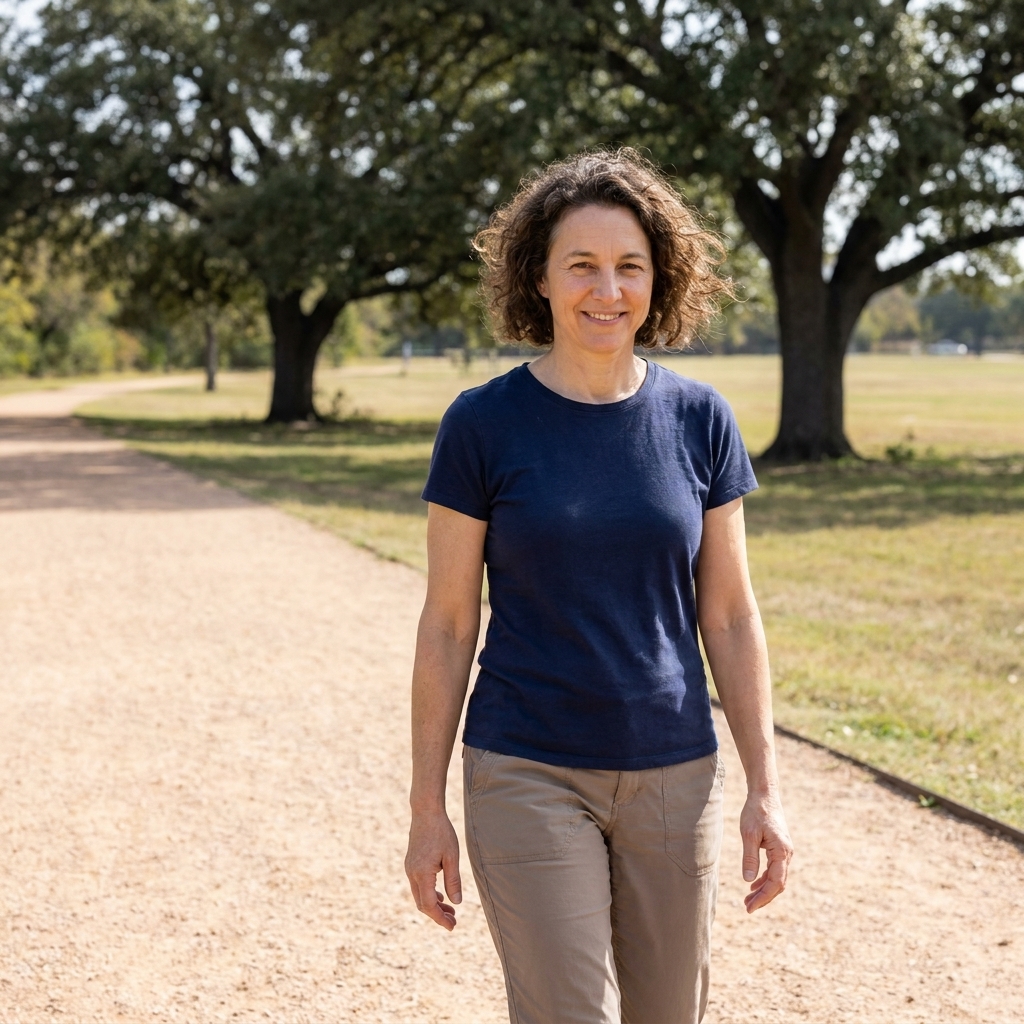
1) Easy walking
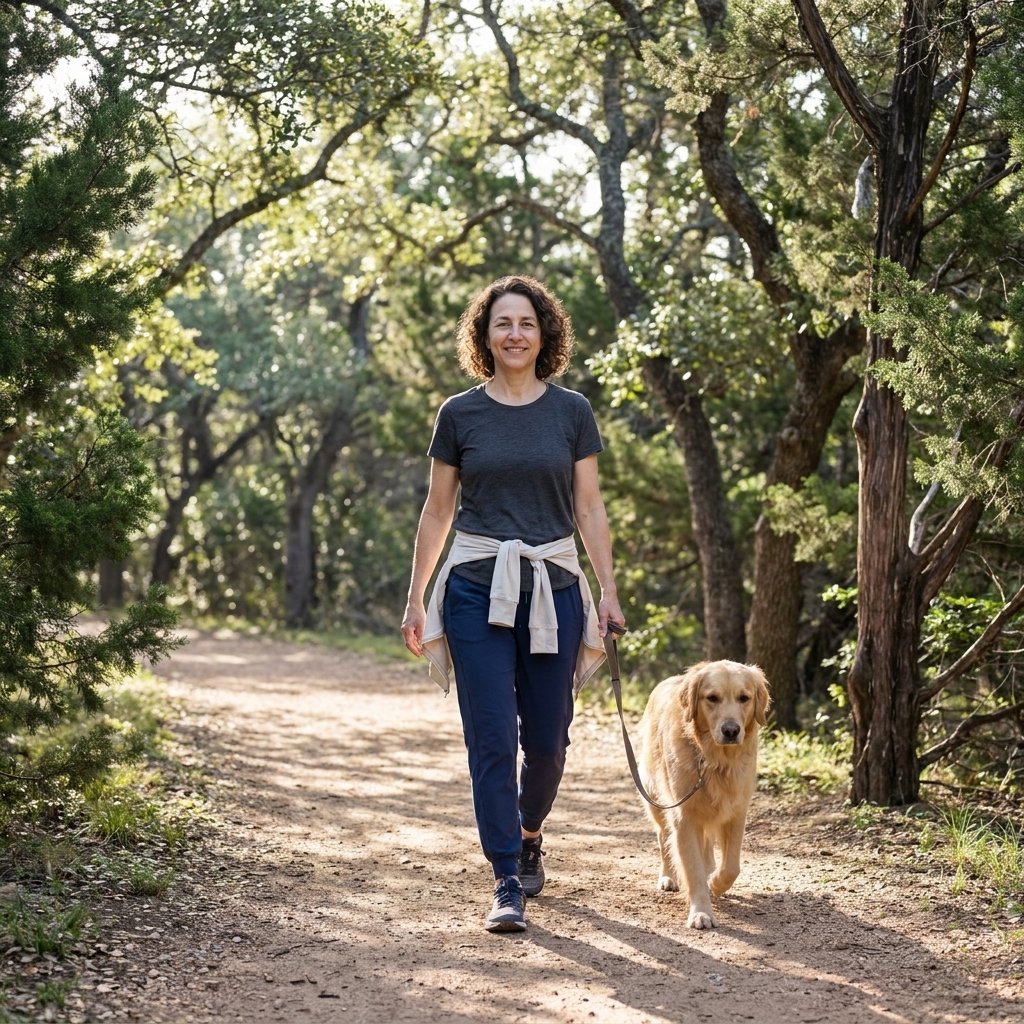
Walking is the underrated wellness MVP. It encourages circulation through tired legs, and for many people it can help reduce that heavy, stiff feeling after hard sessions.
- Try this: 15 to 30 minutes at a pace where you can breathe comfortably.
- Make it recovery-friendly: Choose flat ground and keep your stride relaxed.
- Extra credit: Add 5 minutes of gentle calf and hip flexor stretching afterward.
2) Gentle cycling or easy spin
If your legs are sore from strength training or running, a light pedal can help them feel less heavy. The key is low resistance. This is not a climb. This is a cruise.
- Try this: 10 to 25 minutes, steady and easy.
- Cues: Keep shoulders down, jaw unclenched, and cadence smooth.
- Avoid: Sprint intervals, heavy resistance, and that competitive voice in your head.
Quick note: take 1 to 2 minutes at the start and end to go extra easy. Consider it a mini warm-up and cool-down.
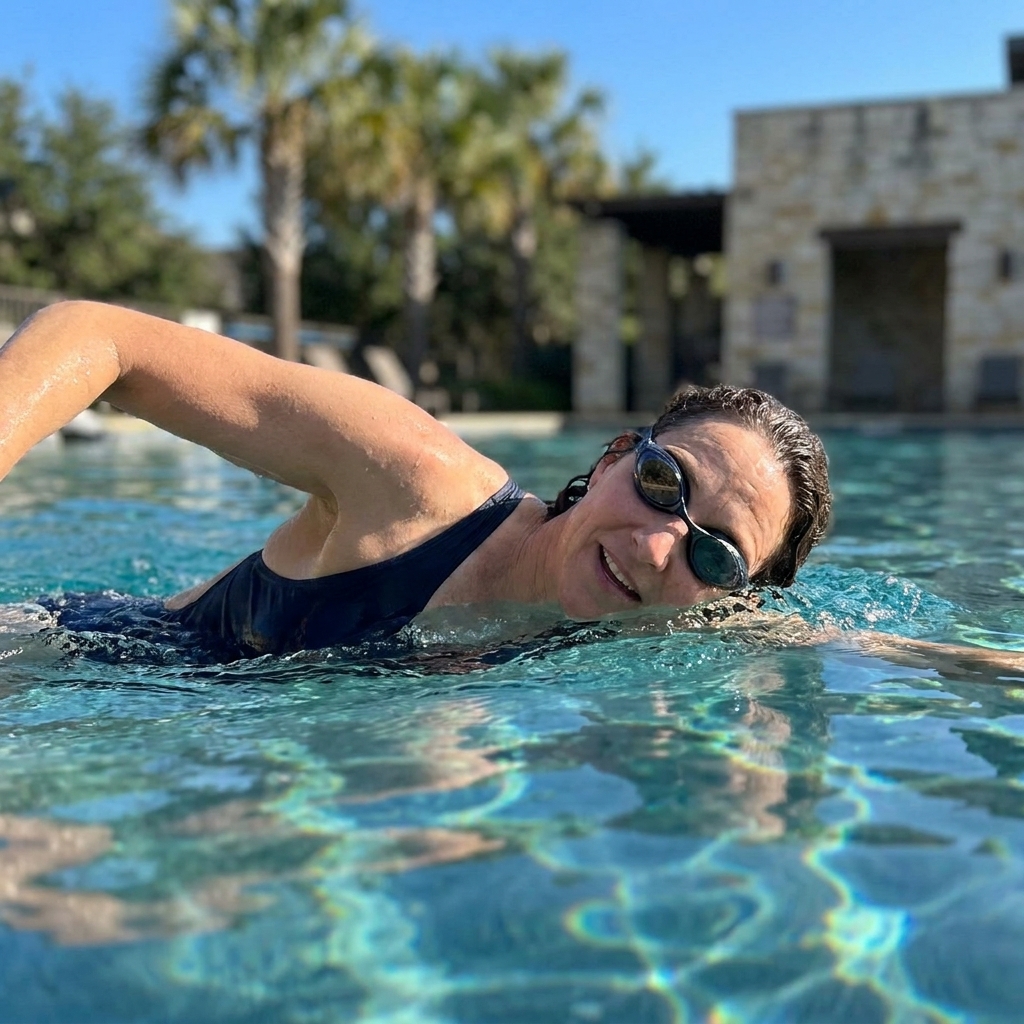
3) Swimming or water walking
Water can be an excellent recovery tool. Buoyancy reduces joint stress, while gentle resistance offers a little muscle engagement without impact.
- Try this: 10 to 20 minutes of relaxed laps or water walking.
- Best for: Anyone feeling achy, stiff, or impact-fatigued.
- Keep it easy: Prioritize comfortable strokes and long exhalations.
Quick note: start with 1 to 2 minutes of very easy movement, then ease back down for the last minute.
4) Light yoga flow
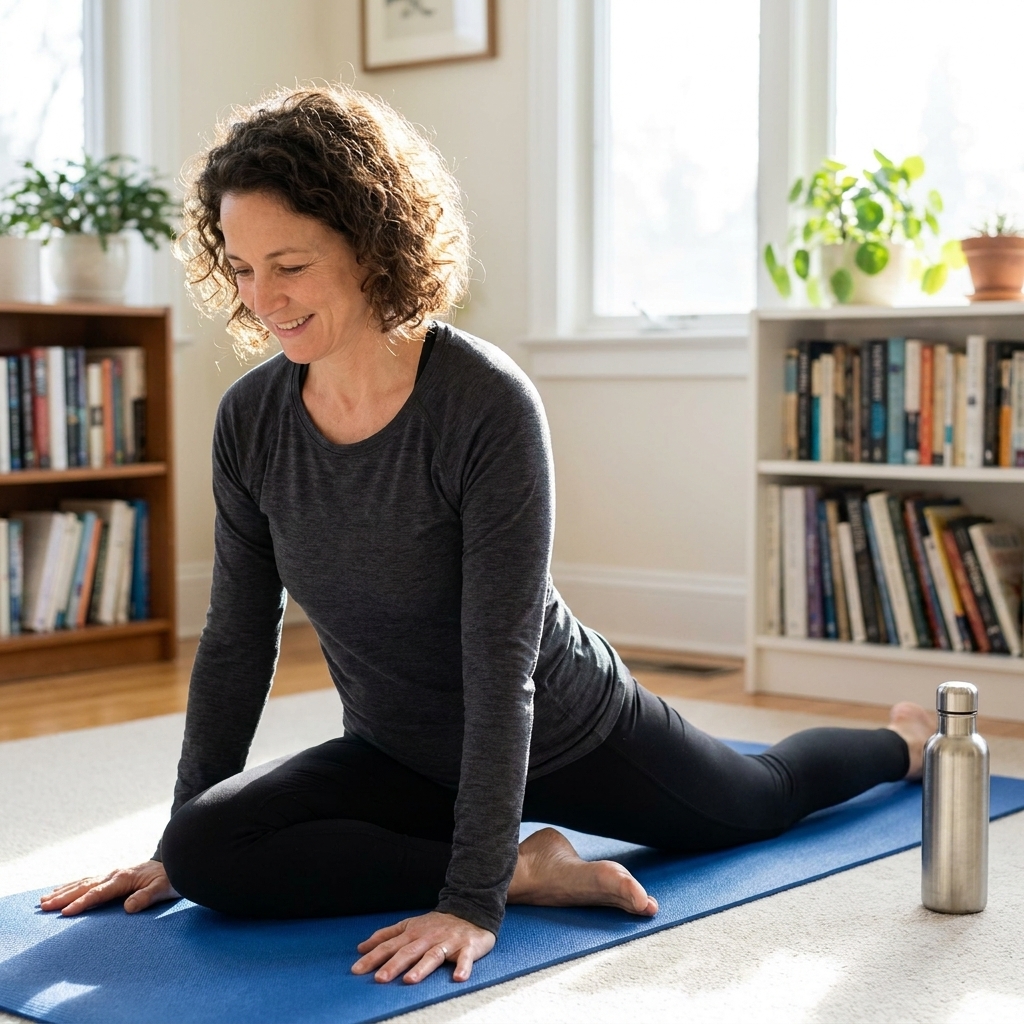
Rest-day yoga is not about deep stretching contests. It is about moving through comfortable ranges and pairing movement with breath.
- Try this: 10 to 20 minutes of a slow flow.
- Poses to include: Cat-cow, child’s pose, low lunge, gentle twist, legs up the wall.
- Make it recovery-friendly: Use props. Skip anything that feels intense, pinching, catching, or sharp.
If you are sore, keep holds short and prioritize motion over depth.
5) Mobility reset (hips, ankles, thoracic spine)
Mobility work is like brushing your teeth for your joints. It is small, unglamorous, and wildly effective over time.
- Try this: 8 to 15 minutes total.
- Mini sequence:
- Ankle circles, 30 seconds each side
- 90-90 hip switches, 6 to 10 slow reps
- World’s greatest stretch, 3 slow reps each side
- Open books (thoracic rotation), 6 to 8 reps each side
6) Light band work (activation, not fatigue)
Light resistance bands can wake up stabilizers and reduce that tight, stuck feeling, especially around shoulders, hips, and glutes. Think activation, not a burn-you-out circuit.
- Try this: 1 to 2 rounds of 8 to 12 reps each.
- Moves to try: Banded lateral steps, glute bridges, face pulls, pull-aparts.
- Rule: Stop 3 to 4 reps before it feels hard.
If you have shoulder irritation, keep range small and smooth, and skip anything that causes sharp pain.
If you have heard the term “flossing,” I mean gentle band-assisted movement to create a little space and ease, not aggressive compression. If you feel numbness, tingling, throbbing, or your skin changes color, stop right away.
7) Breath-led stretching and downshift
This one is less “exercise” and more “tell your nervous system you are safe.” It helps bring you out of go-go-go mode so your body can actually recover.
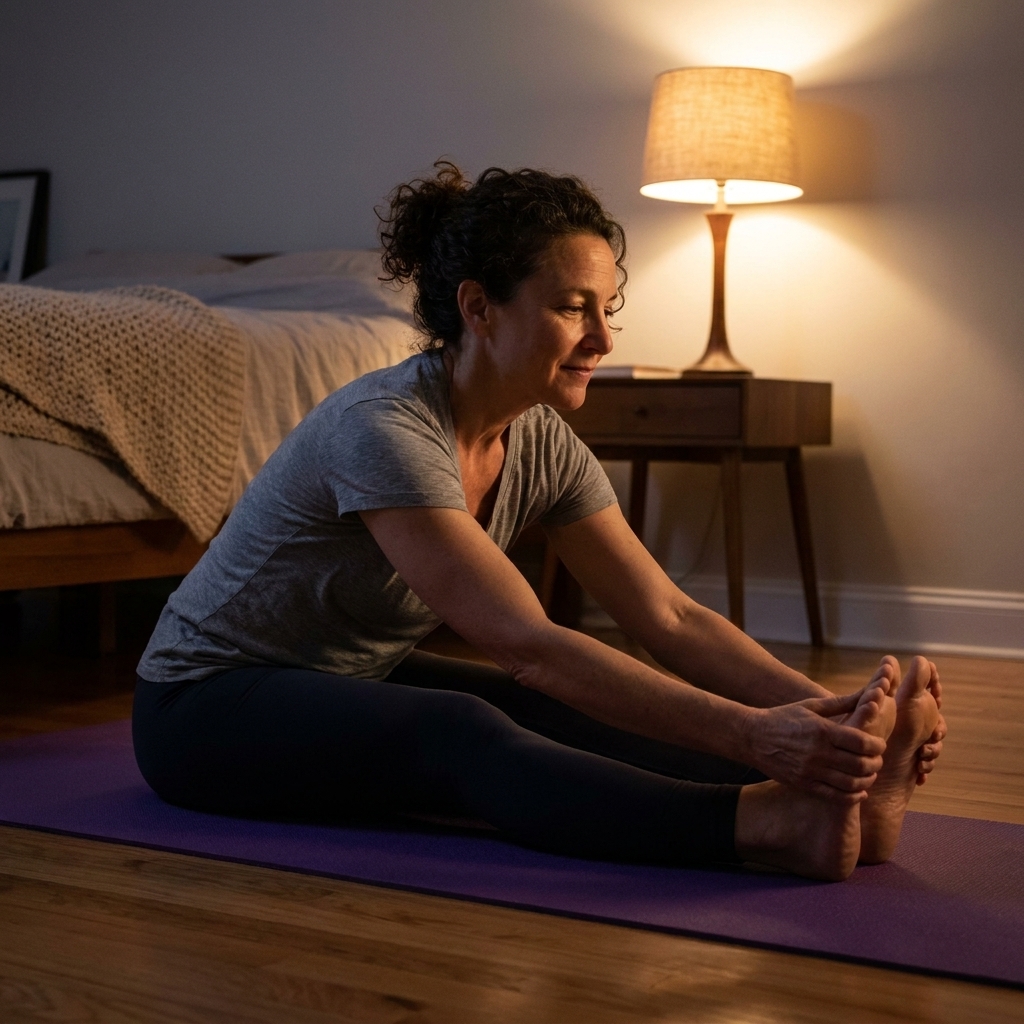
- Try this: 5 to 10 minutes.
- Simple plan: Choose 3 comfortable stretches (hamstrings, chest, hip flexors) and hold each for 30 to 60 seconds while breathing slowly.
- Breath cue: Inhale 4 counts, exhale 6 counts. Keep it gentle.
This is also a great add-on after any of the other six options.
How to pick the right one today
If you want the simplest “choose-your-own-recovery” roadmap, try this:
- If you feel sore in your legs: Easy walking, light cycling, or swimming.
- If you feel stiff from sitting or travel: Mobility reset or light yoga flow.
- If you feel mentally fried: Breath-led stretching plus a short, quiet walk.
- If you feel achy or impact-worn: Water walking or swimming.
- If you feel a little restless: A 20-minute easy spin or a purposeful, still-conversational walk.
Your best recovery choice is the one you will actually do lightly, then stop before it becomes a second workout.
How often to do active recovery
Most people do well with 1 to 3 active recovery sessions per week, or anytime you feel stiff but not truly depleted. A simple rhythm is to place it after hard days and keep at least one day each week open for full rest if you need it.
Maya note: If you are under-slept, stressed, or run down, the most advanced recovery plan might be a nap and a normal meal. You do not need to earn rest.
A sample 20-minute routine
If decision fatigue is real today, here is a simple routine that works after strength days, long runs, or life days.
- 5 minutes: Easy walk or easy bike
- 8 minutes: Mobility reset (ankles, hips, thoracic spine)
- 5 minutes: Light stretching (hip flexors, calves, chest)
- 2 minutes: Slow breathing (inhale 4, exhale 6)
You should finish feeling like you could do another 10 minutes. That is the sweet spot.
When to skip it and fully rest
Active recovery is meant to help, not prove something. Consider choosing full rest (and reaching out to a professional when needed) if you have:
- Fever, chest symptoms, or you feel sick
- Acute injury (new swelling, sharp pain, or pain that changes your gait or movement)
- Dizziness, unusual shortness of breath, or feeling faint
- Severe soreness that limits normal range of motion or daily tasks
- Unusually high resting heart rate for you, especially paired with fatigue
Rest day guardrails
- Keep it light: If you are working hard, scale back.
- Choose comfort: Mild tension is fine. Pinching, catching, or sharp pain is a no.
- Hydrate and eat normally: Recovery needs fuel, especially protein and carbs if you trained hard.
- Sleep counts: If you can do only one recovery tool, choose sleep.
- Track the after-feel: You want “looser, lighter, calmer.” Not “wrecked again.”
FAQ
Is active recovery better than complete rest?
It depends. Gentle movement can reduce stiffness and support circulation, which many people love. But complete rest is sometimes exactly what your body needs, especially if you are under-slept, run down, sick, or feeling truly depleted.
How long should an active recovery day be?
Most people do great with 10 to 40 minutes. If you are very sore or stressed, even 10 minutes of walking plus a few stretches can be perfect.
Can I do yoga on a rest day?
Yes. Just keep it supportive. Choose gentle flows, avoid intense holds, and skip anything that feels like a strength class in disguise.
What if I am sore two days after a workout?
That is common. Try walking, water movement, or a short mobility reset. If soreness is severe, worsening, or paired with swelling or sharp pain, consider taking full rest and checking in with a medical professional.
Your rest day can still feel like you
Rest days are not a break from progress. They are part of it. Pick one supportive option, keep it light, and let “feeling better” be the win.
If you try one of these this week, notice one tiny shift afterward. Maybe your shoulders drop. Maybe your steps feel lighter. Maybe you are just a little kinder to yourself. That counts.