Some days, “self-care” feels like another thing to do perfectly. I am not interested in that version. The mood-boosting magic I trust most comes from simple, soothing hobbies that gently pull you back into your body, your senses, and the present moment.
Below are 10 relaxing hobbies that are low-stress by design. They are the kind of habits you can pick up for 10 minutes, set down without guilt, and return to whenever you need a little lift.
Quick note: take what works and leave the rest. Adapt for your body, your budget, your space, and your season of life.
What makes a hobby mood-boosting?
In my coaching work, the hobbies that seem to help people feel better quickly often have one or more of these qualities:
- They are sensory. You can see, smell, touch, or taste what you are doing, which can help your brain shift out of overthinking mode.
- They are process-focused. The “doing” is the point, not the result.
- They are repeatable. You can do them often without needing a big plan or special gear.
- They give a tiny win. Even a small completed step can feel stabilizing.
If you are not sure where to start, choose the one that sounds most pleasant, not the one you think you should do.
1) Indoor gardening
There is something deeply regulating about caring for a living thing. Indoor gardening offers a gentle rhythm: water, rotate toward the light, wipe a leaf, notice new growth. It can be harder to spiral while you are checking soil with your fingertip.
Try this
- Start with one easy plant: pothos, snake plant, ZZ plant, or a simple herb like basil.
- Give it a “home” you love seeing, like a sunny windowsill or a pretty pot.
- Make plant care a 5-minute weekly ritual with music on.

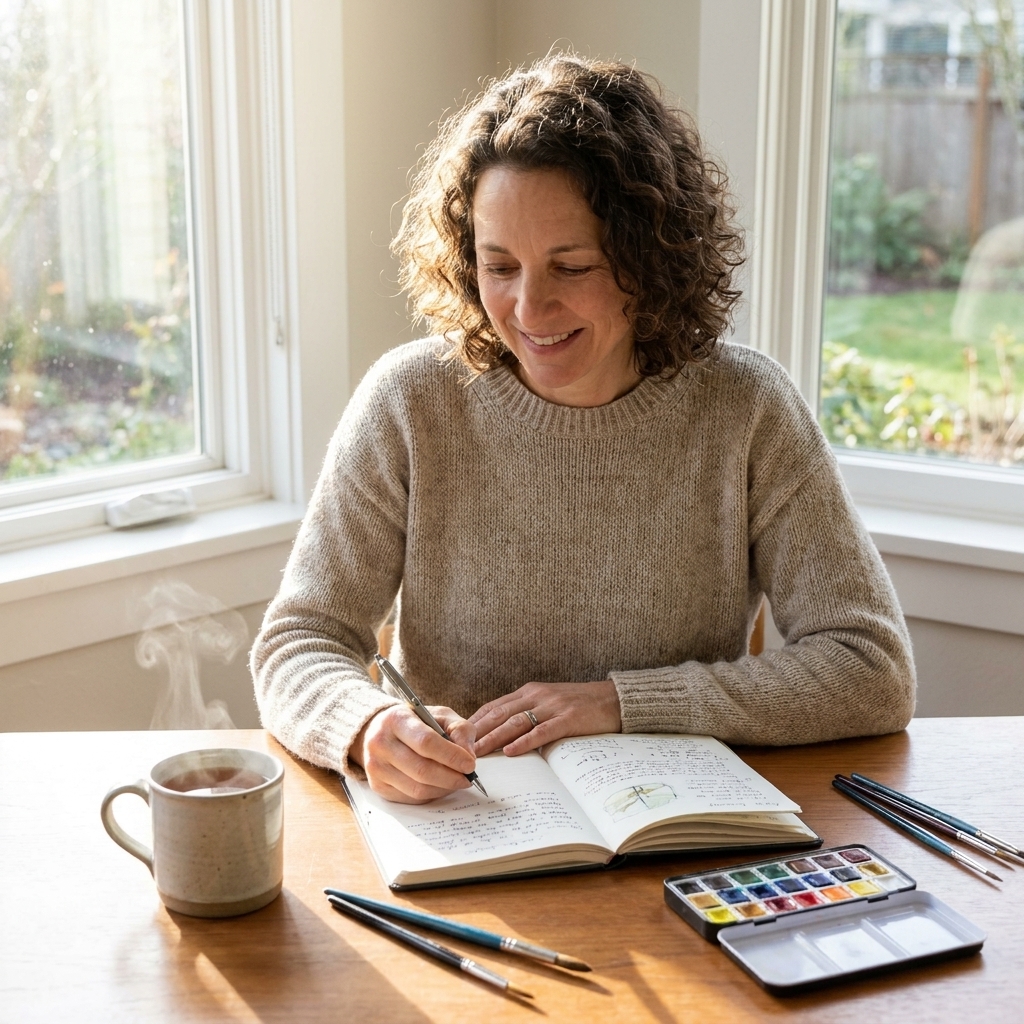
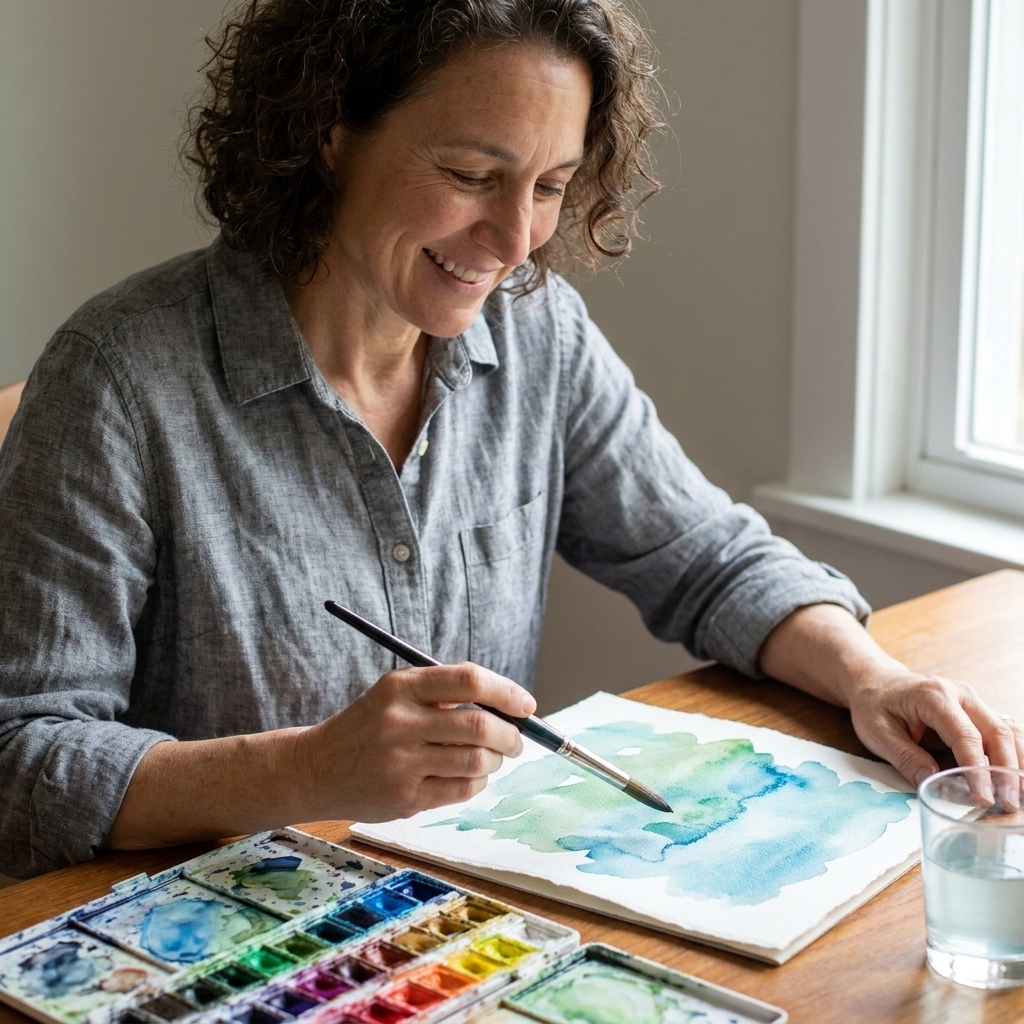
2) Watercolor painting
Watercolor is one of my favorite “no pressure” creative hobbies because the paint literally does its own thing. Watching colors bloom across wet paper is calming in a way that feels almost like a visual exhale.
Try this
- Paint simple swatches and gradients. Yes, those count.
- Pick a tiny subject: a lemon, a leaf, your coffee mug.
- Set a timer for 12 minutes and stop when it rings.
3) Baking something cozy
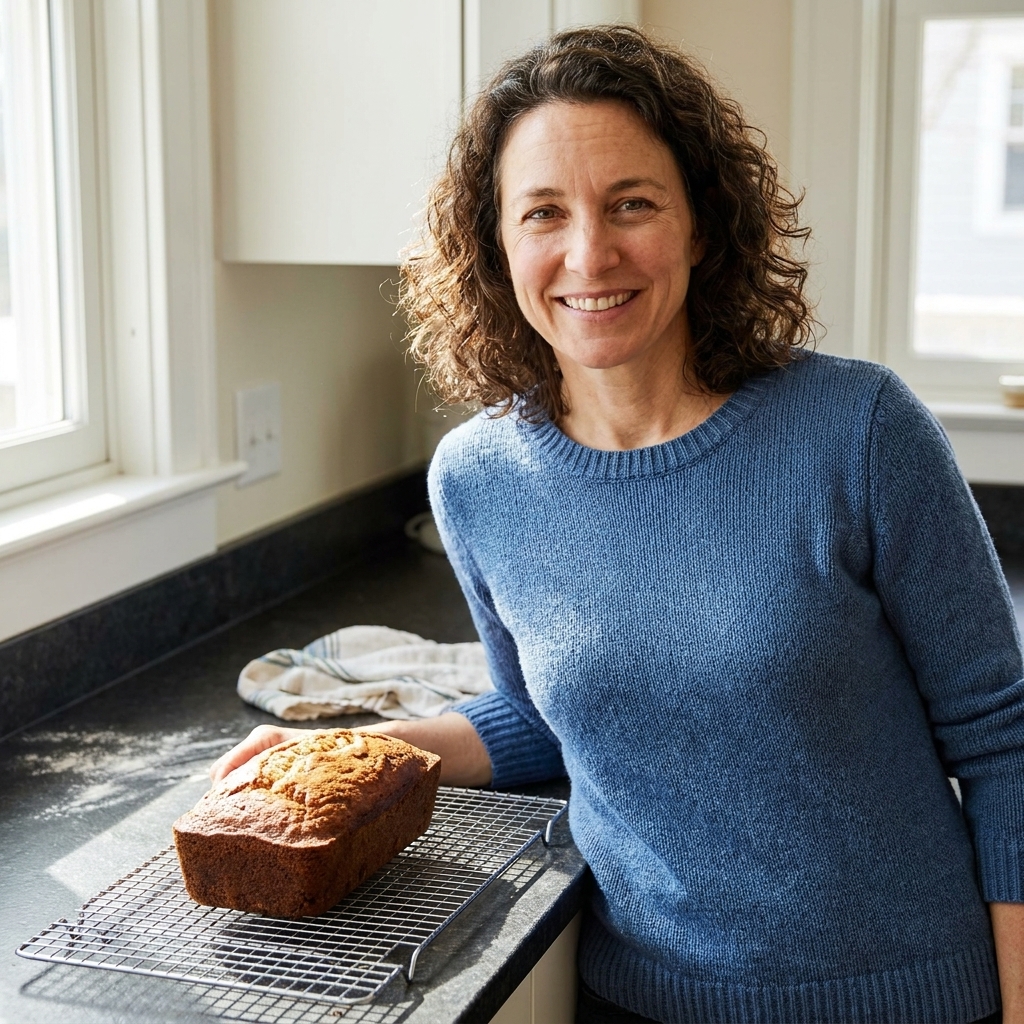
Baking is mood support you can smell. Measuring, mixing, and watching something rise in the oven offers structure without being emotionally intense. Plus, the end result is snackable, which feels like a very kind reward.
Try this
- Choose a “forgiving” recipe: banana bread, blueberry muffins, oatmeal cookies.
- Make it sensory: warm spices, citrus zest, vanilla.
- Let “rustic” be the aesthetic. Uneven tops are charming.
Make it work for you: if allergies or food rules make baking stressful, try a no-bake option, a small batch, or even “baking-adjacent” cozy vibes like making tea and slicing fruit.
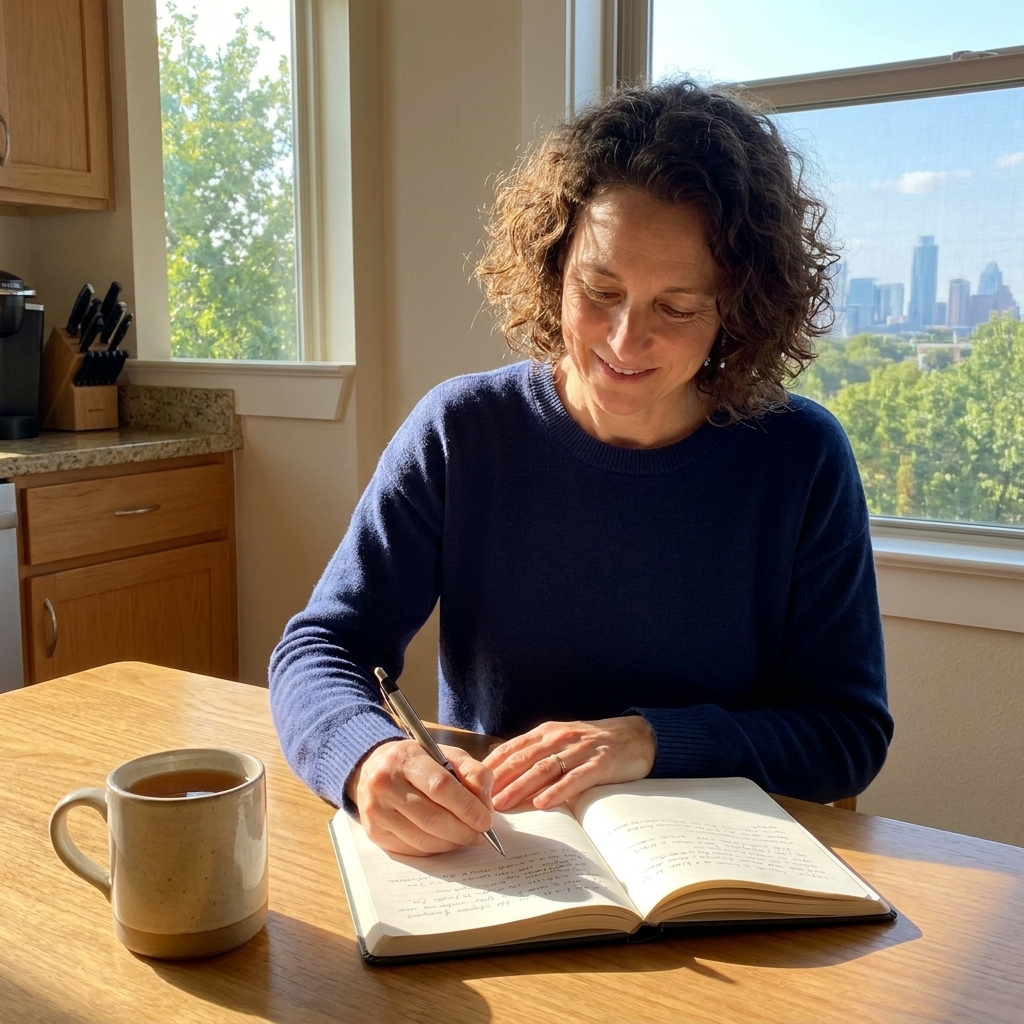
4) Gentle morning journaling
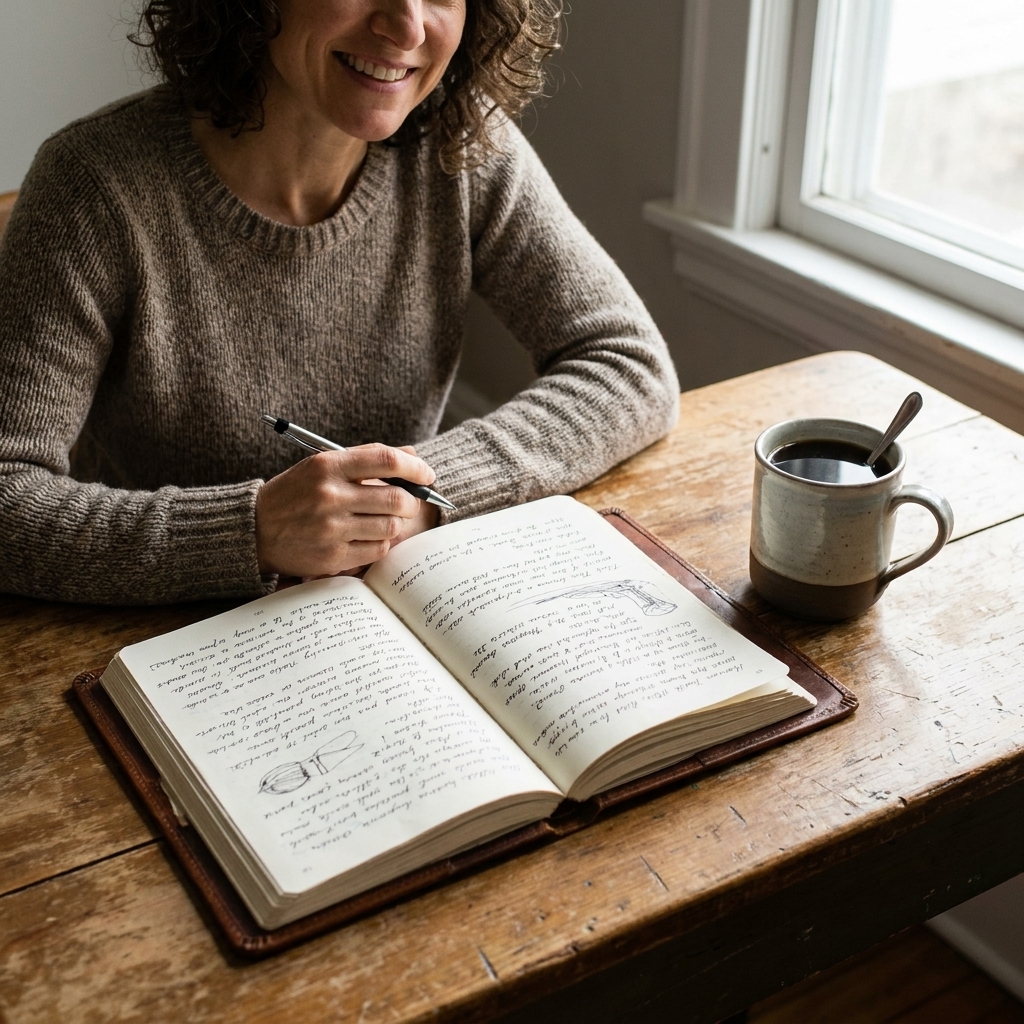
This is not the version where you write a perfect life plan. This is the version where you dump the mental tabs that are open in your brain, then move on with your day feeling a little lighter.
Try this
- Use one prompt for a week: “Today I need…” or “Right now I feel…”
- Keep it short: 5 lines is plenty.
- If you get stuck, write: “I don’t know what to write.” It still works.
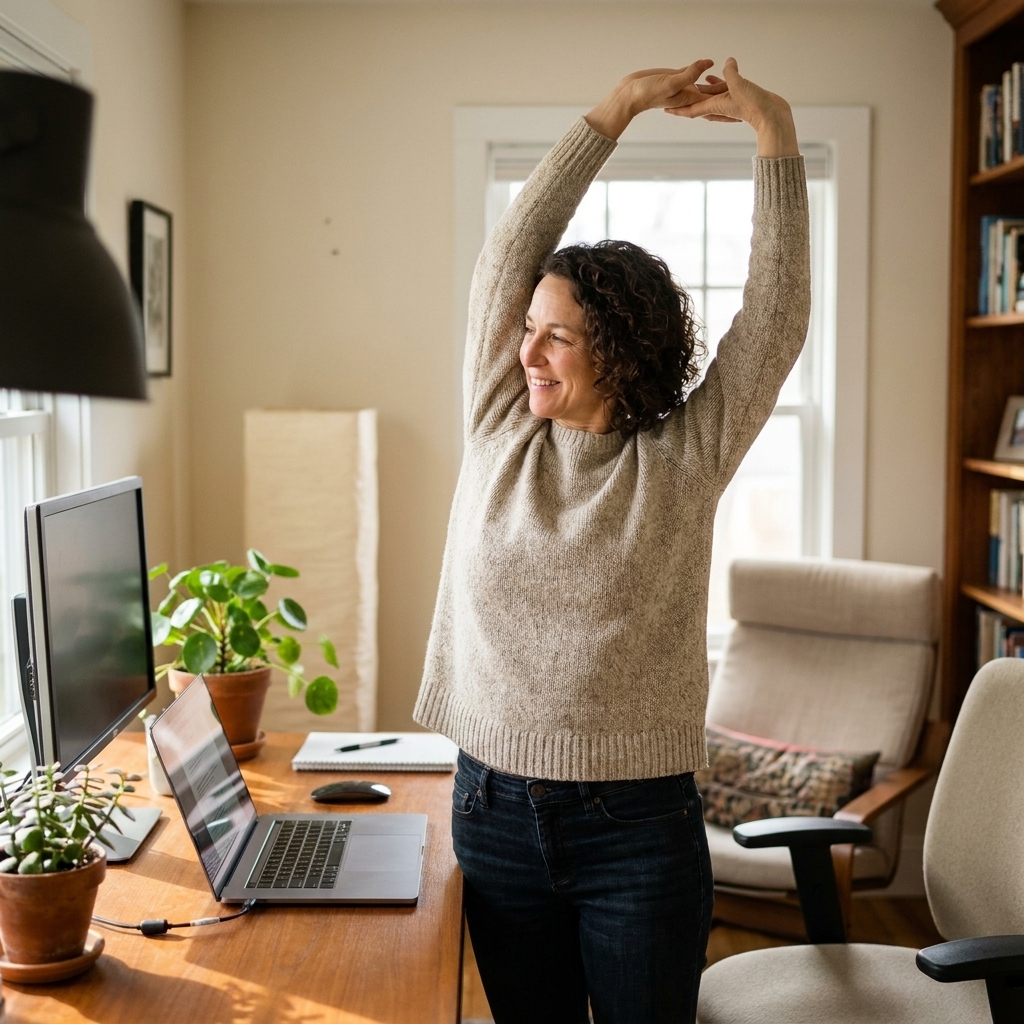
5) Restorative movement
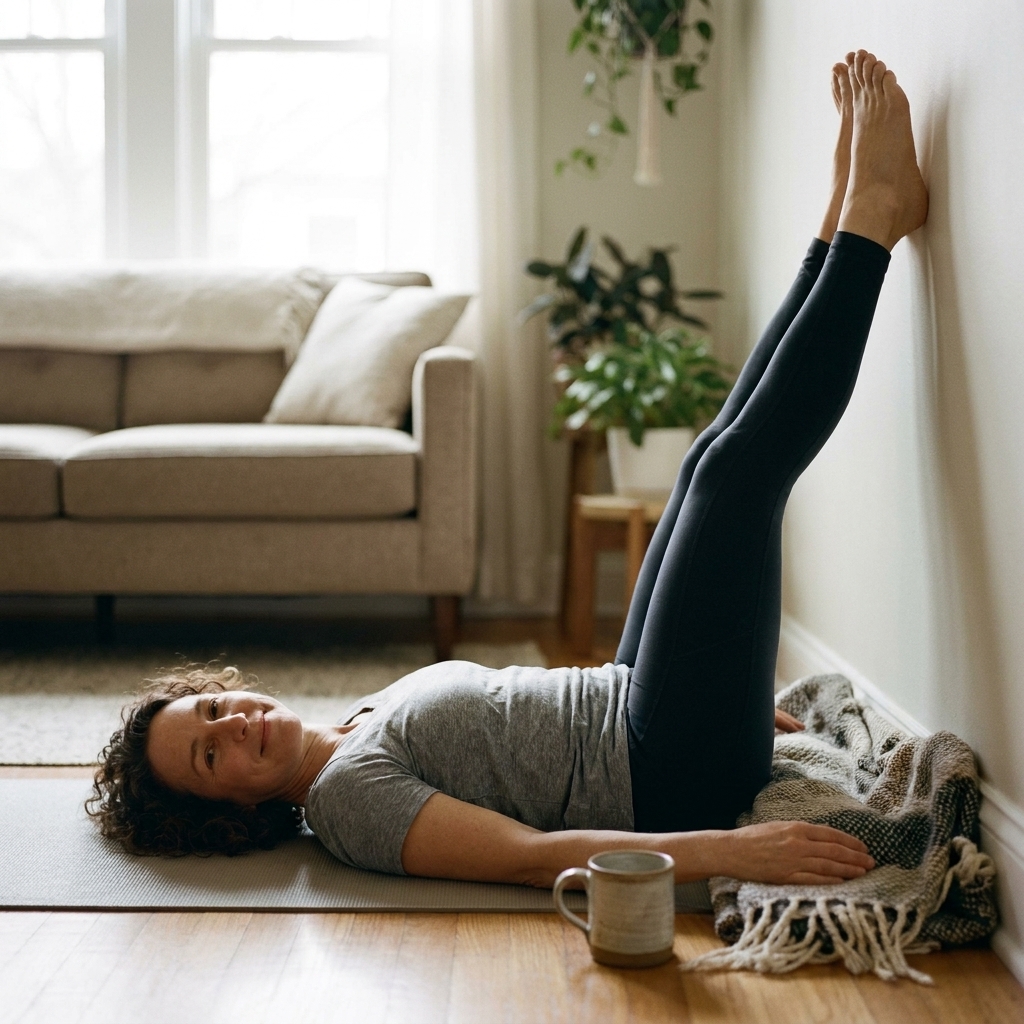
When your mood is low, your body often feels tight, restless, or heavy. Restorative movement is a way to say, “I’m listening,” without demanding a workout. Think slow, supported, and soothing.
Try this
- Do a 10-minute floor routine: child’s pose, reclined twist, legs up the wall.
- Pair it with a comfort cue: dim lighting, a blanket, a playlist.
- Focus on how it feels, not how it looks.
Accessibility note: if you are dealing with injury, chronic pain, or dizziness, modify generously, use extra support (pillows, a chair), or choose a different hobby from the list that feels safer today.
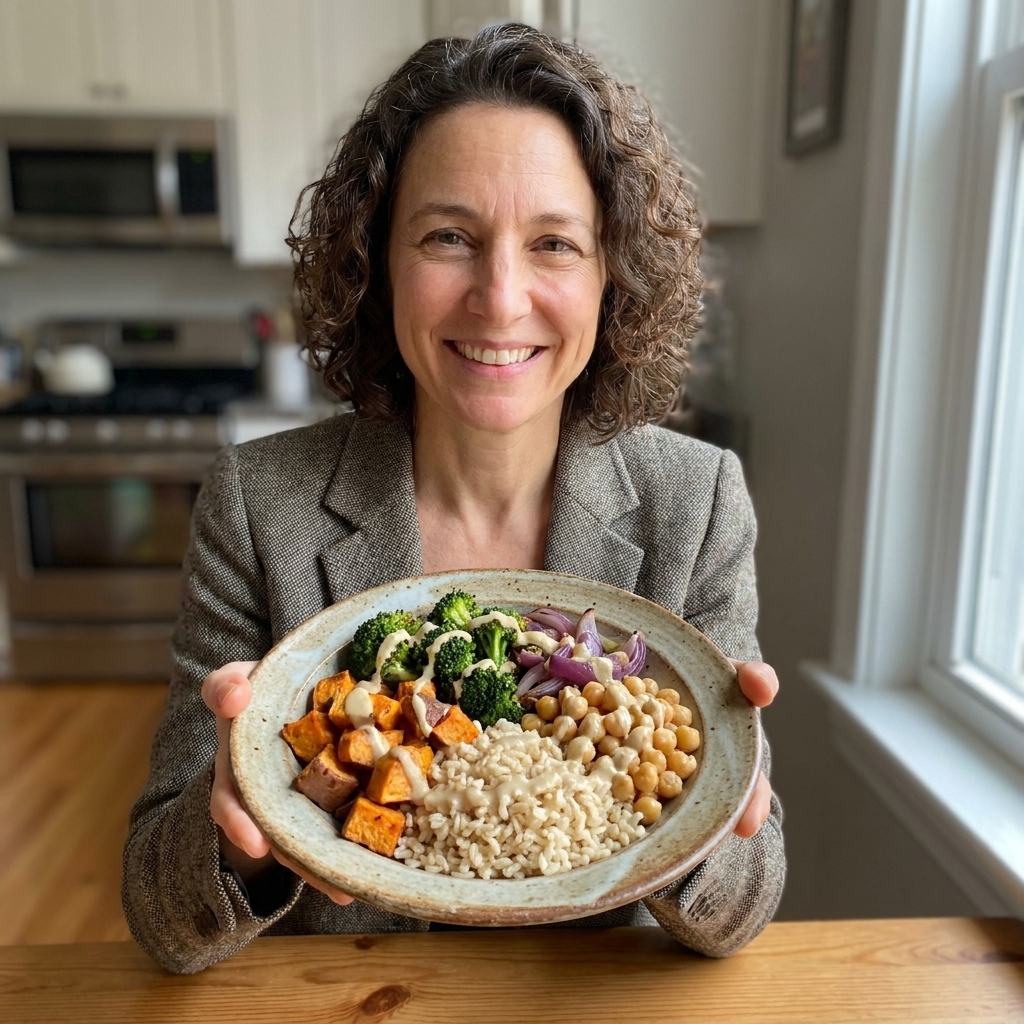
6) Intuitive cooking
Intuitive cooking is the opposite of complicated meal prep. It is more like: “What sounds good and doable?” That little act of tuning in can support your mood because it puts you back in the driver’s seat.
Try this
- Build a “choose-your-own-adventure” bowl: rice or greens, a protein, a crunchy topping, a sauce.
- Pick one comfort flavor and run with it: lemon and herbs, garlic and butter, miso and sesame.
- Let it be simple. A really good toast counts.
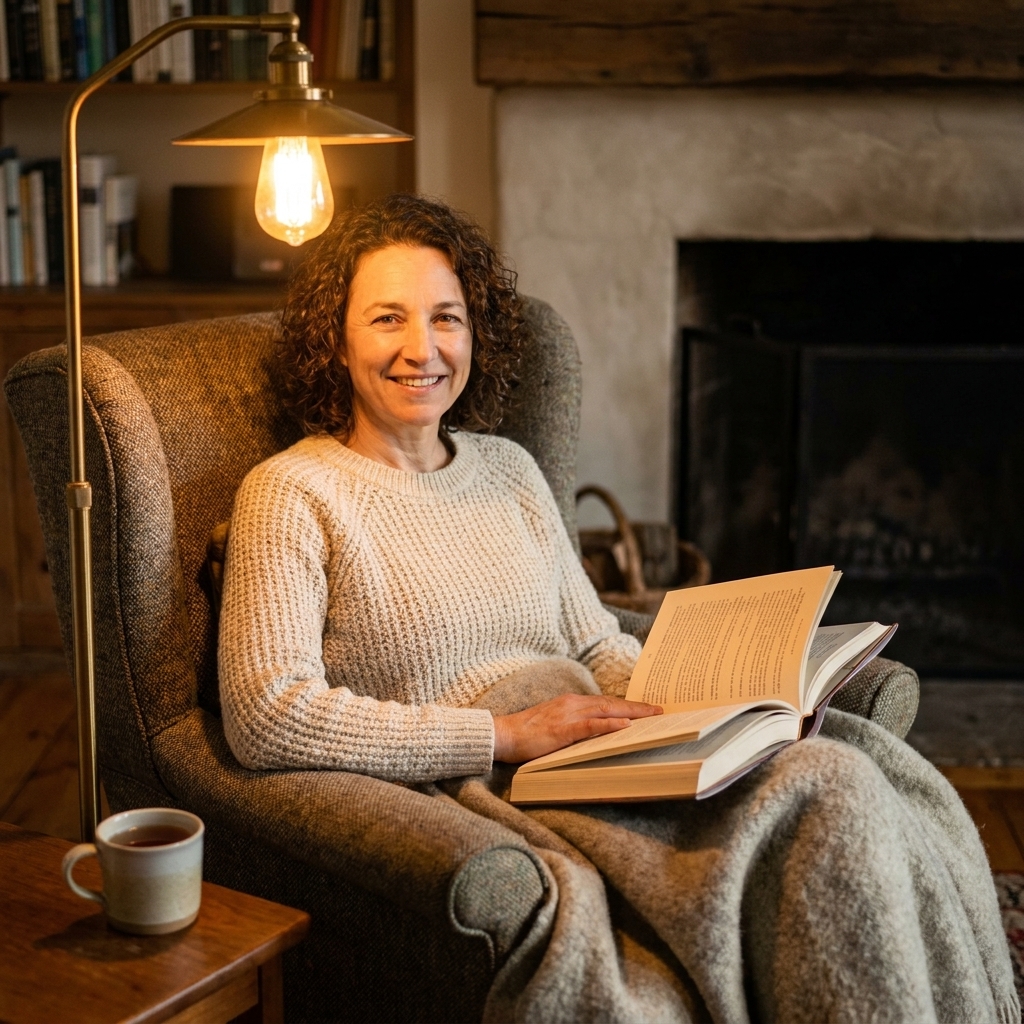
7) Slow reading
Reading is a quiet portal. It gives your brain a break from decision-making and scrolling, and many people find it is an easy way to shift their internal tone from tense to steadier.
Try this
- Create a “two pages a night” rule. Tiny goals build momentum.
- Try short forms when you are stressed: essays, poetry, short stories.
- Make it cozy: a lamp you love, a blanket, phone in another room.
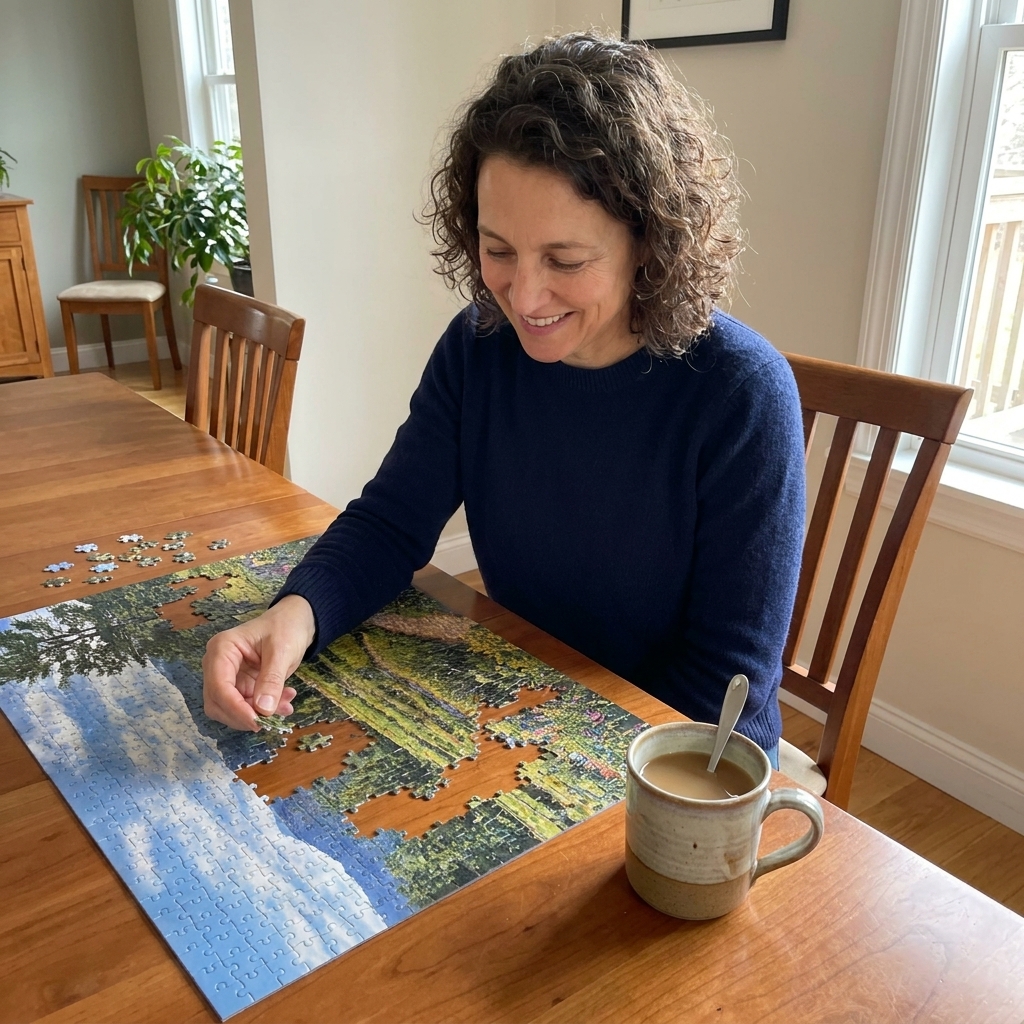
8) Puzzles and tactile games
There is a reason puzzles feel so satisfying: they offer a clear task, a visible payoff, and just enough challenge to occupy your mind without overwhelming it. It is soothing focus.
Try this
- Start with 300 to 500 pieces for quick wins.
- Try tactile options too: Sudoku, crosswords, solitaire with real cards.
- Set it up somewhere you can return to easily, even for 5 minutes.
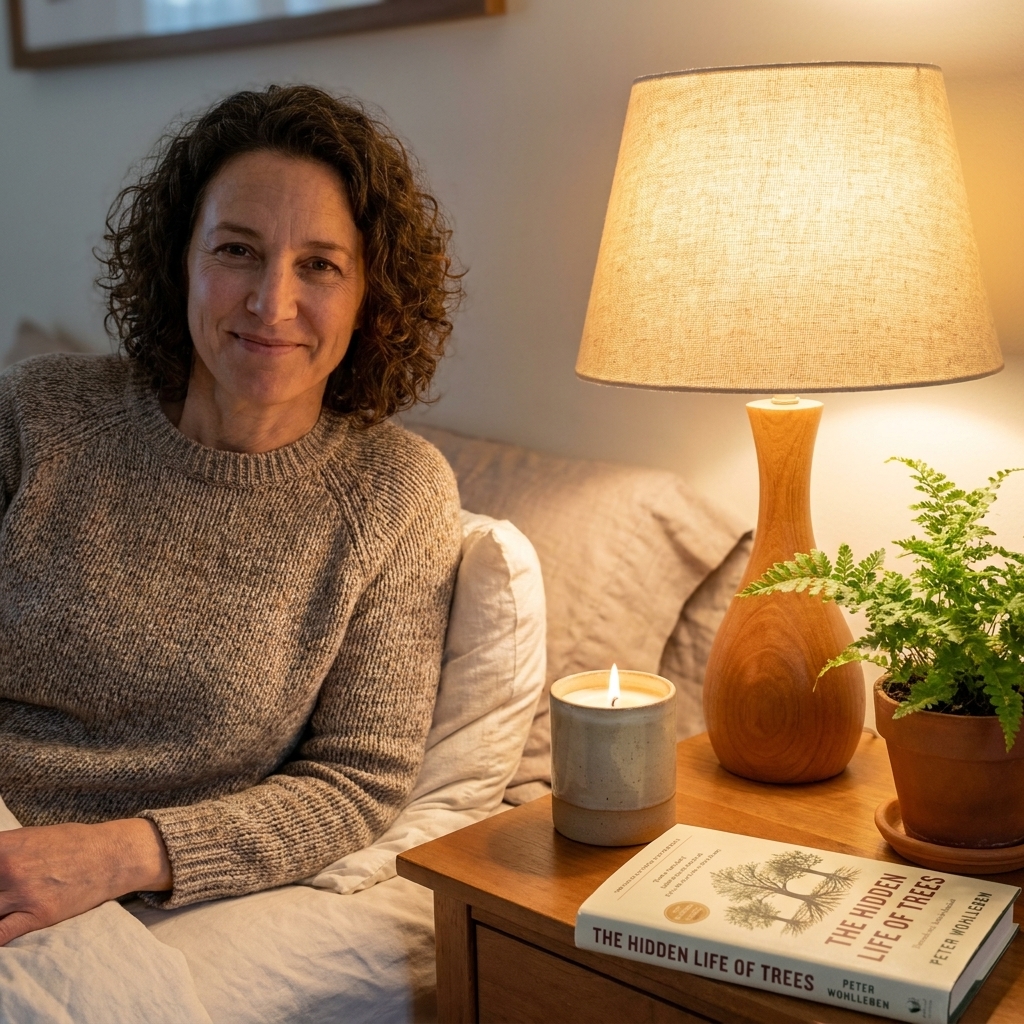
9) A small home reset
You do not need a full renovation to feel better in your space. Tiny tweaks can create a sense of safety and ease, which can support mood. I sometimes call this “designing for your nervous system,” not as a clinical claim, but as a simple way of choosing comfort cues like lighting, softness, and less visual clutter.
Try this
- Pick one micro-area: your nightstand, entryway, or kitchen counter.
- Remove one thing, add one comforting thing: a candle, a small plant, a tray.
- Choose lighting that feels soft and warm when possible.
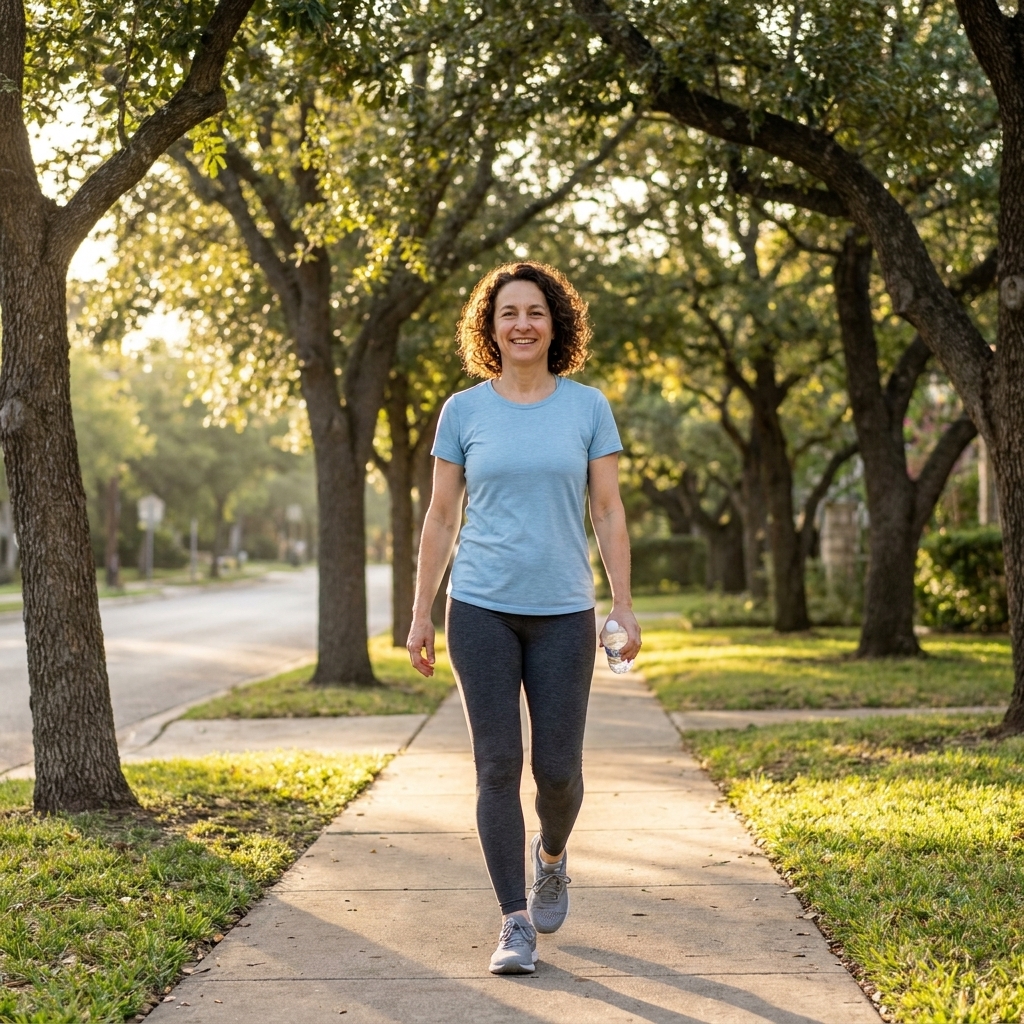
10) Slow nature walks
This is your permission slip to walk slowly. No step count. No pace. Just noticing. Nature walks can lift your mood by gently nudging you into the present through sound, light, and movement.
Try this
- Do a 10-minute “three senses” walk: notice 3 things you see, hear, and feel.
- Leave one earbud out or skip them entirely.
- End with a tiny ritual: a glass of water, a stretch, or a shower.

How to choose what fits
If you want a quick shortcut, match the hobby to what you need most today:
- If you feel anxious: try puzzles, watercolor, or restorative movement.
- If you feel numb or flat: try baking, nature walks, or cooking something colorful.
- If you feel overstimulated: try slow reading, indoor gardening, or a small home reset.
- If you feel scattered: try journaling or a simple, repeatable recipe.
And remember: the “best” hobby is the one you will actually do on a regular Tuesday.
Make it stick
If you want these to become real life habits (not just good ideas), reduce friction:
- Leave supplies out. Put the journal on the table, set the puzzle tray where you can see it, keep the watercolor kit in one easy bin.
- Pair it with something you already do. Two pages after brushing your teeth. Stretch while the kettle boils. Water plants after you take out the trash.
- Keep the bar low on purpose. Ten minutes counts. Five minutes counts.
Frequently asked questions
What if I do not have time for hobbies?
Start with 5 to 10 minutes. A hobby does not need a whole afternoon to support your mood. Think of it as a small nervous system reset you can fit between real life responsibilities.
Which hobbies help with stress the fastest?
The quickest stress relievers tend to be sensory and repetitive. Many people find indoor gardening, watercolor swatching, a short restorative stretch, or a simple baking recipe they have made before can help them settle.
Do I have to be good at it for it to work?
No. Mood benefits come from engagement, not expertise. In fact, beginners often get real relief because the focus is naturally on the moment, not the outcome.
A gentle note
If your low mood, anxiety, or stress feels persistent, intense, or hard to manage, you deserve more support than a hobby list. Consider talking with a licensed mental health professional or your healthcare provider. You can still keep the hobbies, but you do not have to carry it alone.
A tiny invitation
Pick one hobby from this list and try it once this week, in the smallest possible way. Then notice how you feel after. Not how productive you were, not how it looked, just how your body and mood respond. That is the heart of elective wellness: choices that feel good, on purpose, without pressure.