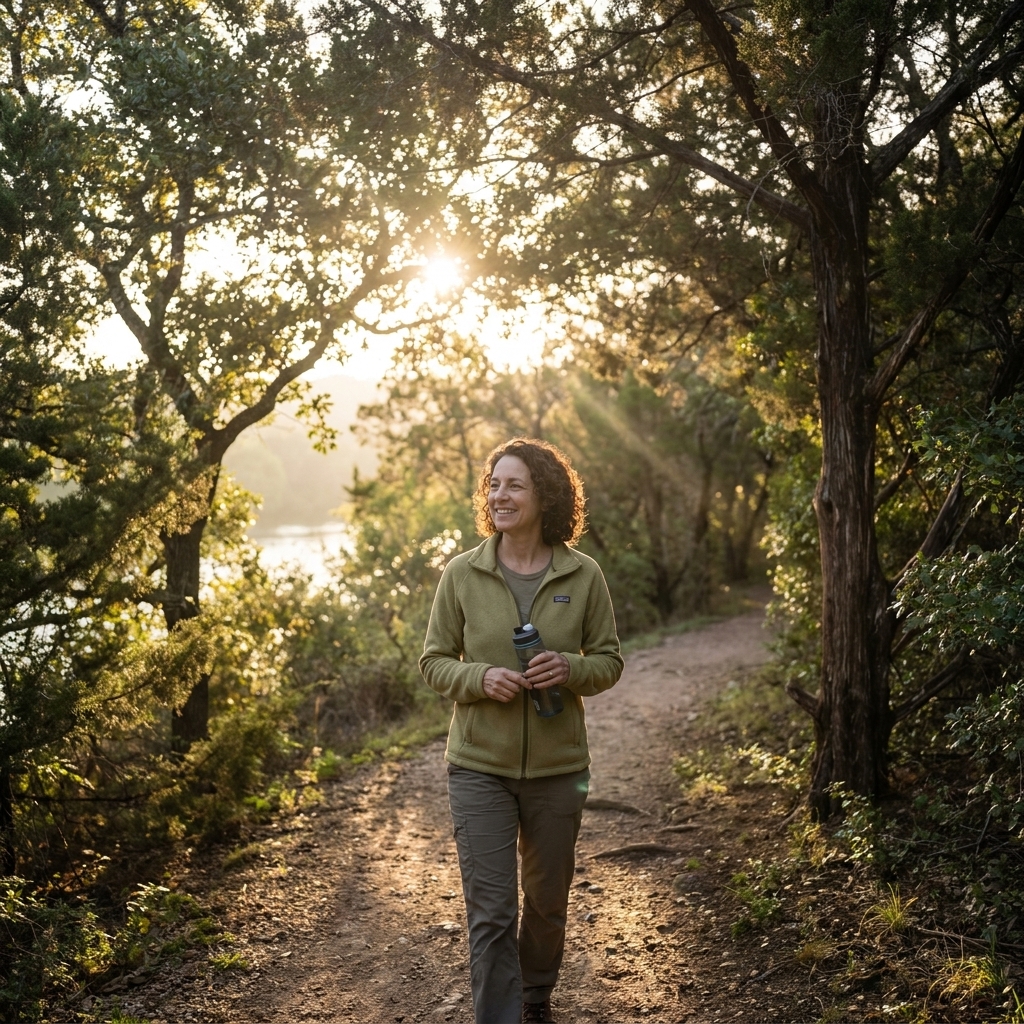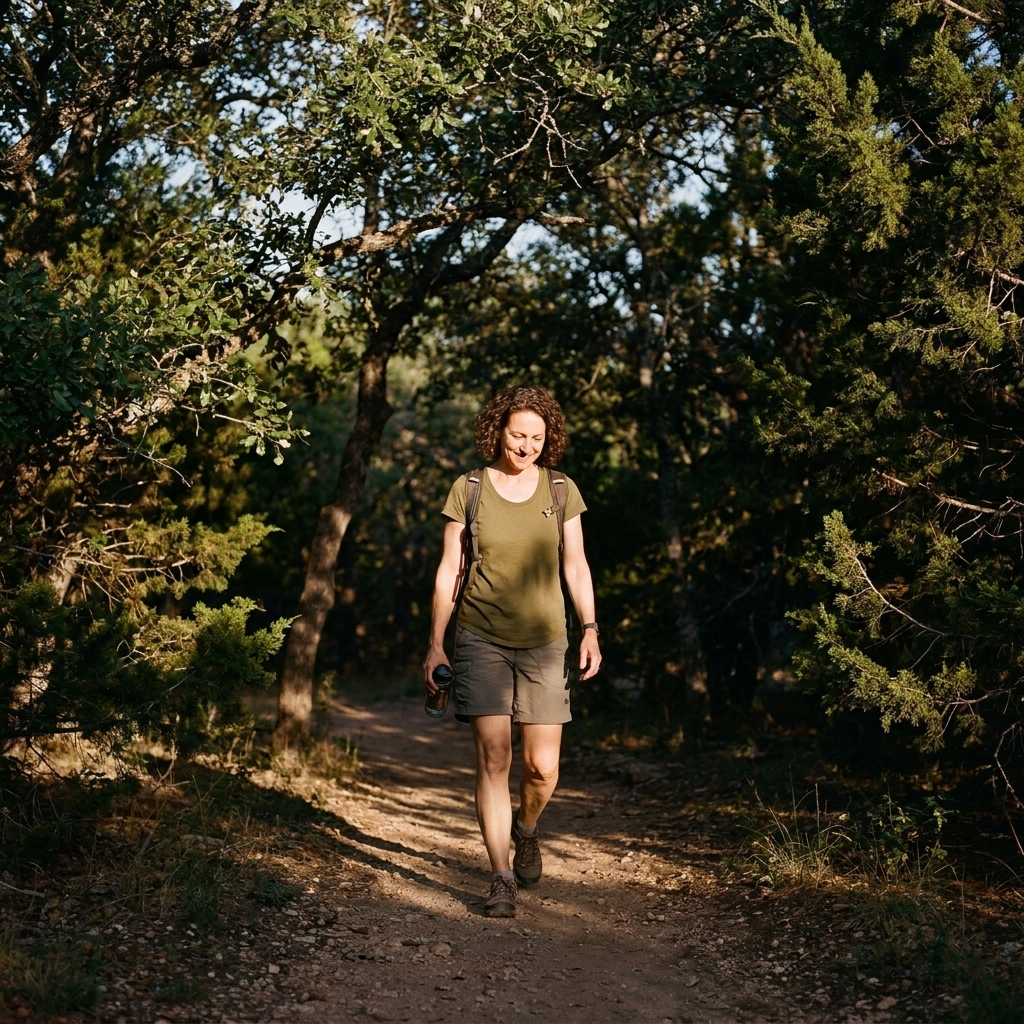
Confession: I spent years treating movement like a punishment I had to “earn” after sitting at a desk all day. Then I learned something that changed everything for me. The best exercise is the kind you forget is exercise.
Outdoor hobbies are basically joyful movement in disguise. And over time, they can help you build strength, balance, stamina, and mobility. Your brain is busy being delighted by sunshine, breeze, birds, and the little dopamine hit of doing something fun.
Why “disguised exercise” works
When an activity feels playful, you naturally stick with it longer. That consistency is the real magic. These hobbies can also give you:
- Gentle cardio without the treadmill dread
- Functional strength for real life, like carrying groceries or lifting a suitcase
- Balance and coordination that supports joints and can help reduce fall risk over time
- Stress relief from being outside and focusing on something other than your to-do list
And yes, you can start messy, slow, and totally unathletic. That’s kind of the point.
1) Paddleboarding
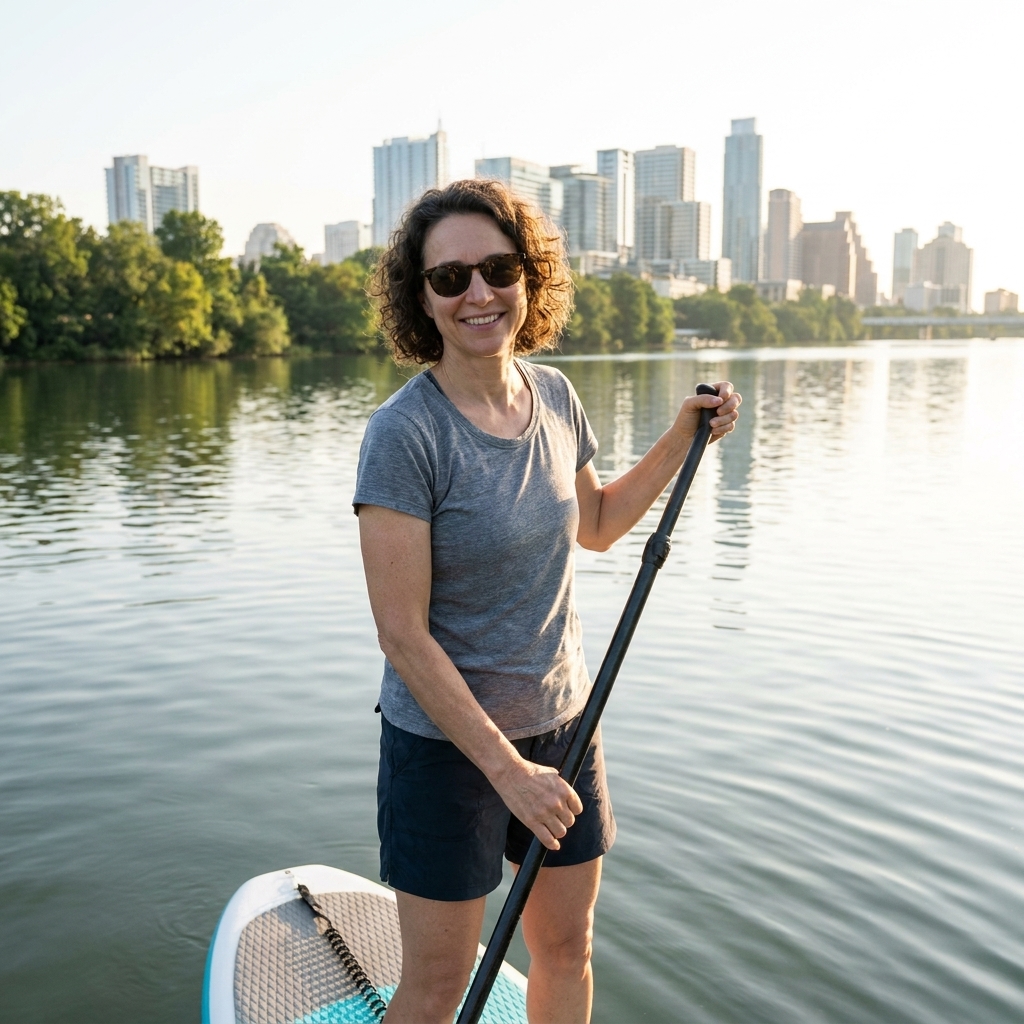
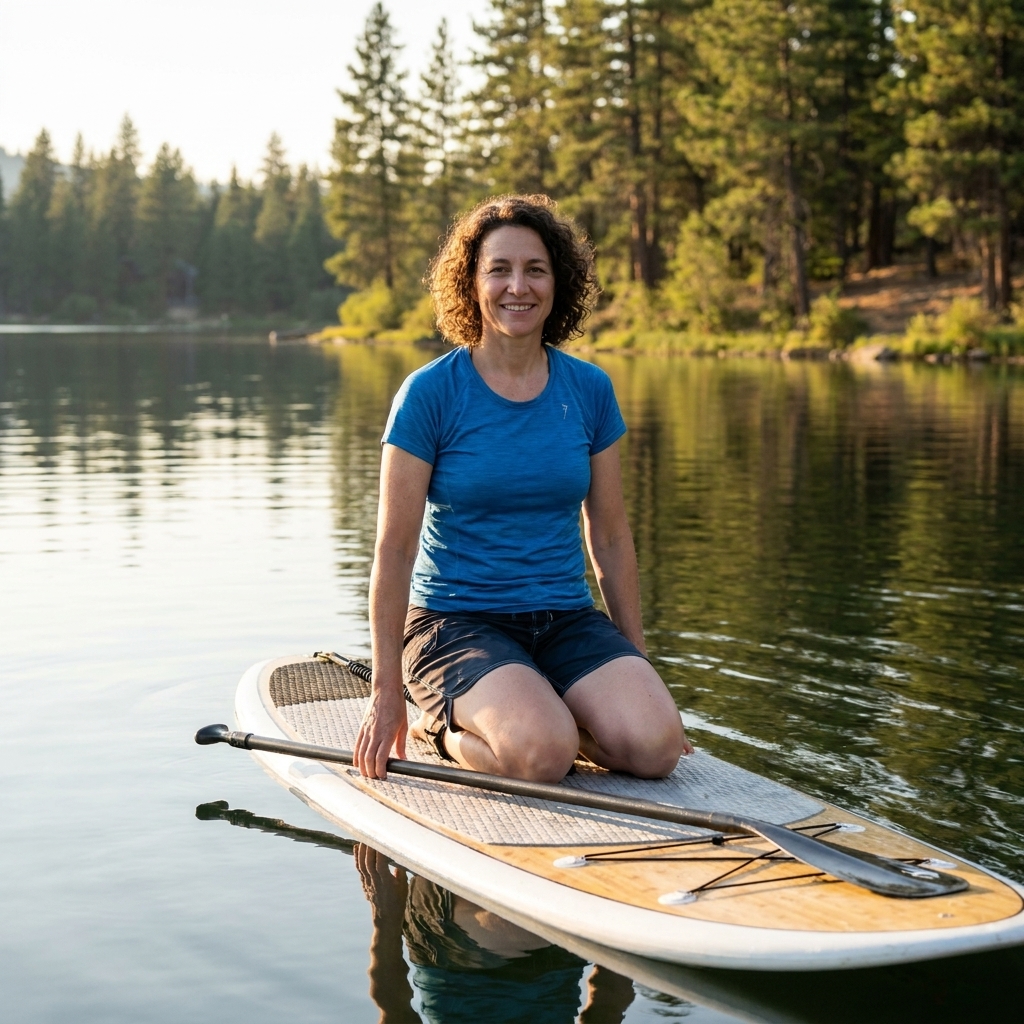
If you want a workout that can feel like a floating meditation, paddleboarding is it. Depending on conditions and how long you’re out there, you’ll get core engagement, back and shoulder strength, and a surprising amount of leg work just from staying steady.
Why it counts as exercise
- Core stabilization with every little wobble
- Upper body strength from paddling
- Low-impact cardio, especially if you keep a steady pace
Make it beginner-friendly
- Start on calm water and go early when the wind’s quieter.
- Kneel first, stand later. Kneeling is still a workout.
- Set a “turnaround point” so you don’t accidentally paddle too far and dread the return trip.
2) Foraging walks (with safety first)
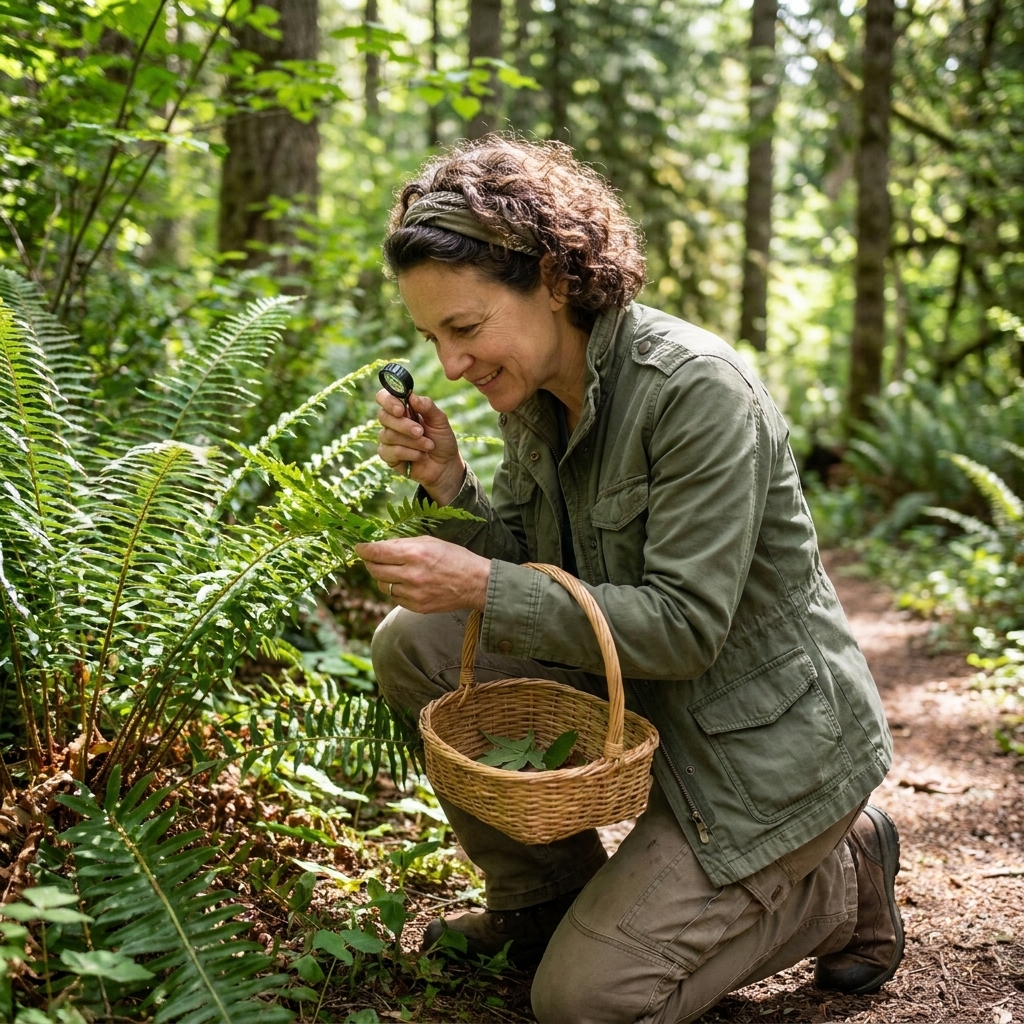
Foraging is basically a slow, curious hike with built-in mindfulness. You walk, squat, reach, carry, and pay attention. It’s movement plus wonder.
Why it counts as exercise
- Steps and gentle cardio from walking trails or neighborhoods
- Hip and ankle mobility from squatting and stepping off-path
- Grip and arm work from carrying a small basket or bag
Foraging safety, the non-negotiables
- Never eat anything unless you’re 100 percent sure. Use a local guidebook or go with an expert group.
- Avoid areas sprayed with pesticides or near busy roads.
- Know local rules. Some parks prohibit collecting plants.
If you want the vibe without the risk, try “foraging” for botanical inspiration: wildflowers for a vase (only where permitted), interesting leaves for a nature journal, or photos of plants to identify later.
3) Gardening (even tiny-space gardening)
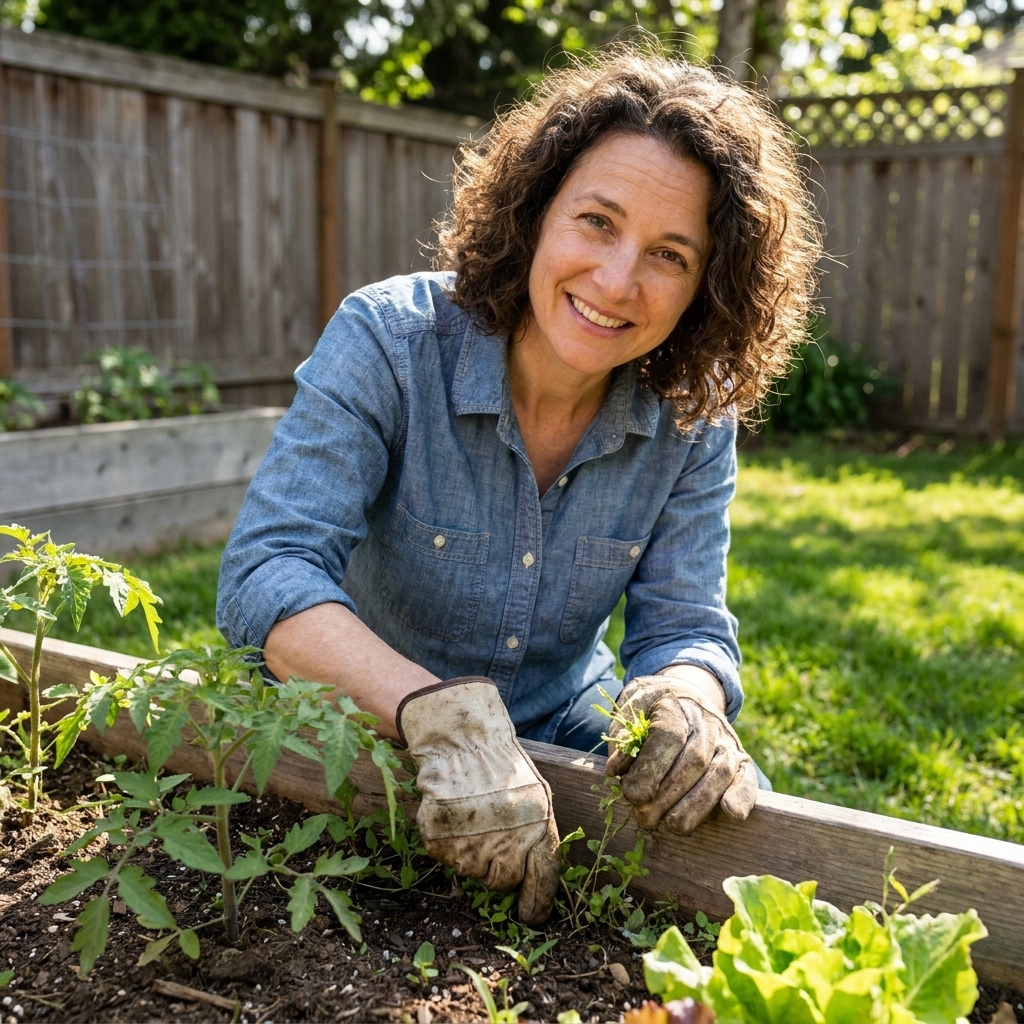
Gardening is sneaky strength work. Digging, hauling soil, watering, and weeding use your whole body, and you get the added emotional benefit of seeing something grow because you showed up. It’s especially great for functional strength, even if it doesn’t replace progressive strength training with heavier loads.
Why it counts as exercise
- Leg and glute work from squatting and standing repeatedly
- Arm and shoulder endurance from digging and pruning
- Core engagement from lifting and carrying soil, mulch, and pots
Make it feel good, not punishing
- Use a kneeling pad or garden stool to protect your knees.
- Set a timer for 15 to 20 minutes and stop while you still feel good.
- Try container herbs if you’re new. Basil and mint love beginners.
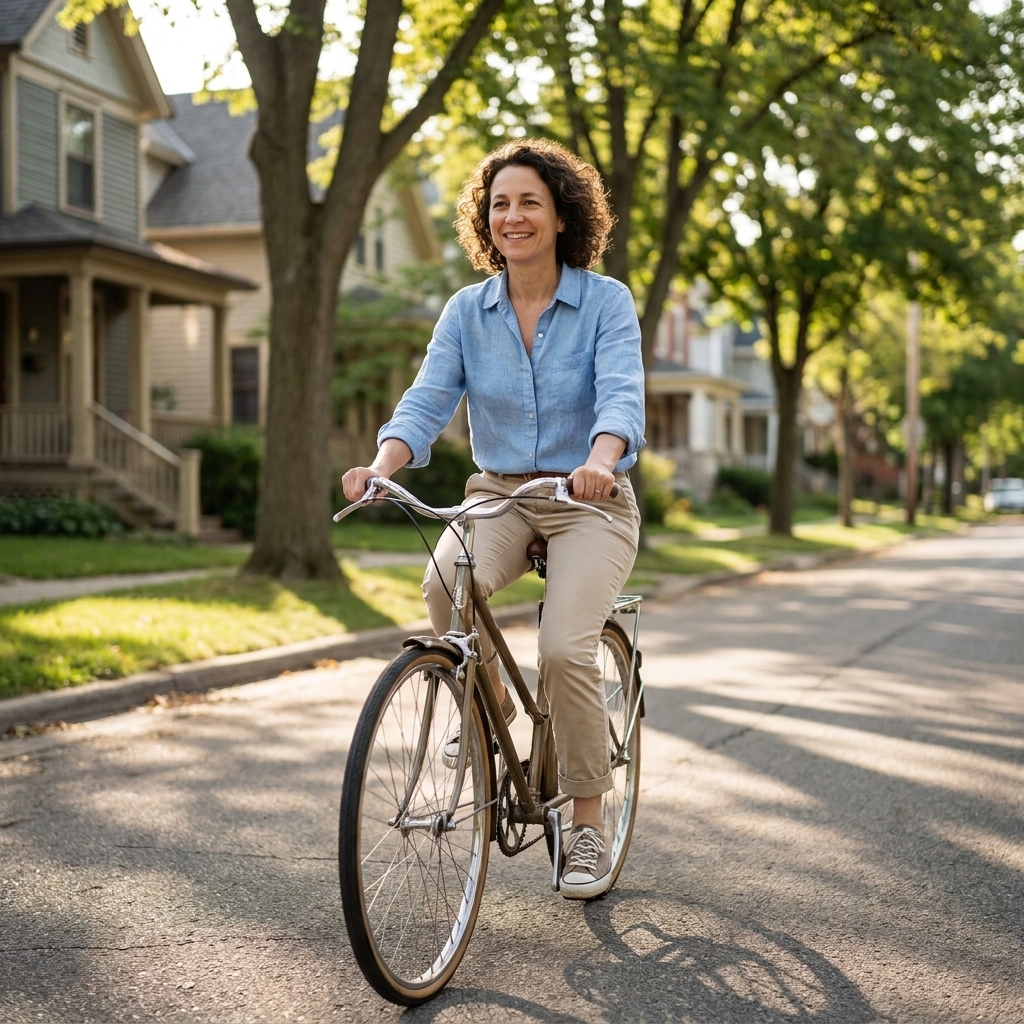
4) Casual biking (the errand edition)
You don’t have to be a “cyclist” to enjoy biking. Think of it as walking, but faster, with more breeze. It’s especially satisfying when you use it for little errands like coffee, library returns, or a weekend farmers market stop.
Why it counts as exercise
- Cardio without the joint impact of running
- Leg strength from steady pedaling
- Better endurance over time, even with short rides
Beginner tips
- Choose a flat, low-traffic route first.
- Go at a “can still chat” pace. That’s perfect for building fitness.
- Bring a small lock and a water bottle. Keep it simple.
5) Hiking with a curiosity goal
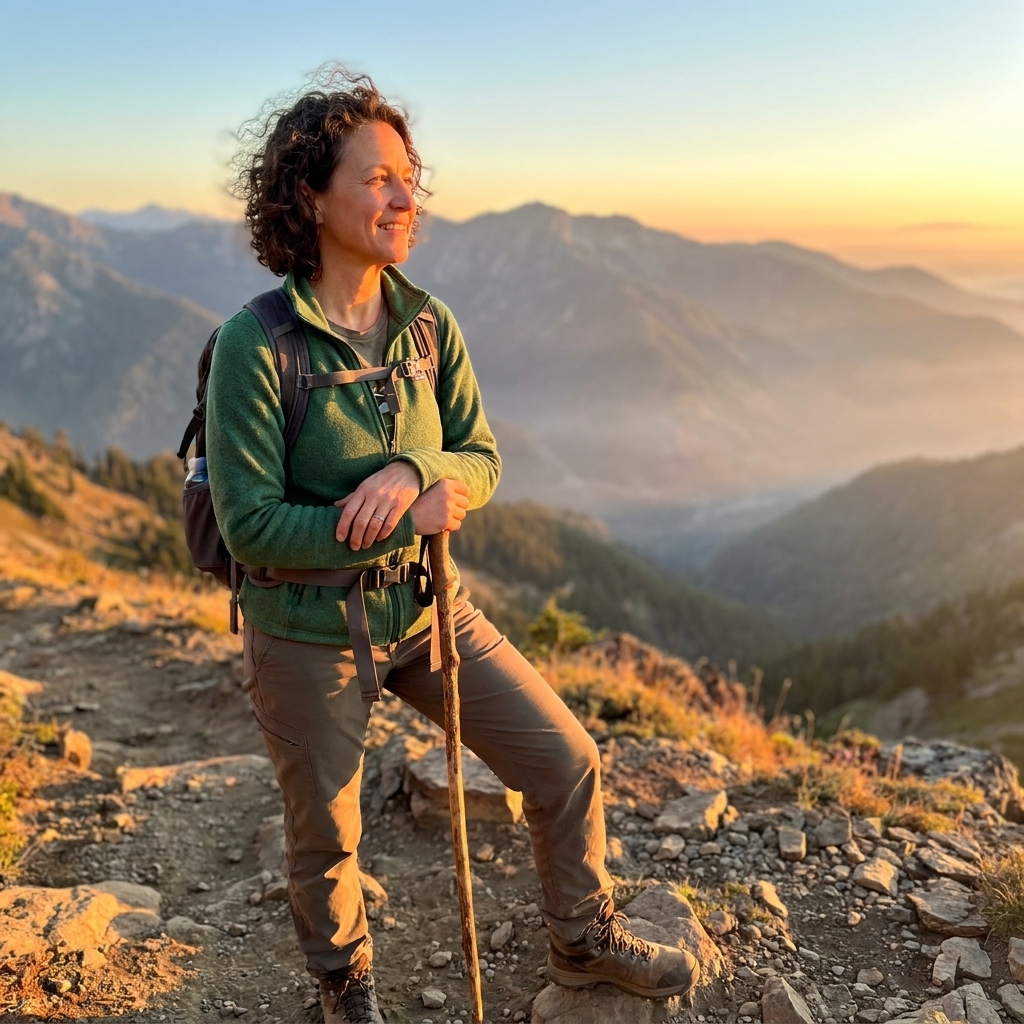
Hiking can be intense, but it doesn’t have to be. One of my favorite ways to make it feel gentle is to give yourself a curiosity goal instead of a speed goal, like “find three interesting rocks” or “spot five different birds.”
Why it counts as exercise
- Heart-healthy movement, especially on inclines
- Ankle stability and balance on uneven terrain
- Leg and core strength from climbing and descending
Make it more enjoyable
- Pick a trail that matches your energy, not your ego.
- Use trekking poles if your knees complain on the way down.
- Pack a snack you actually look forward to.
6) Kayaking or canoeing
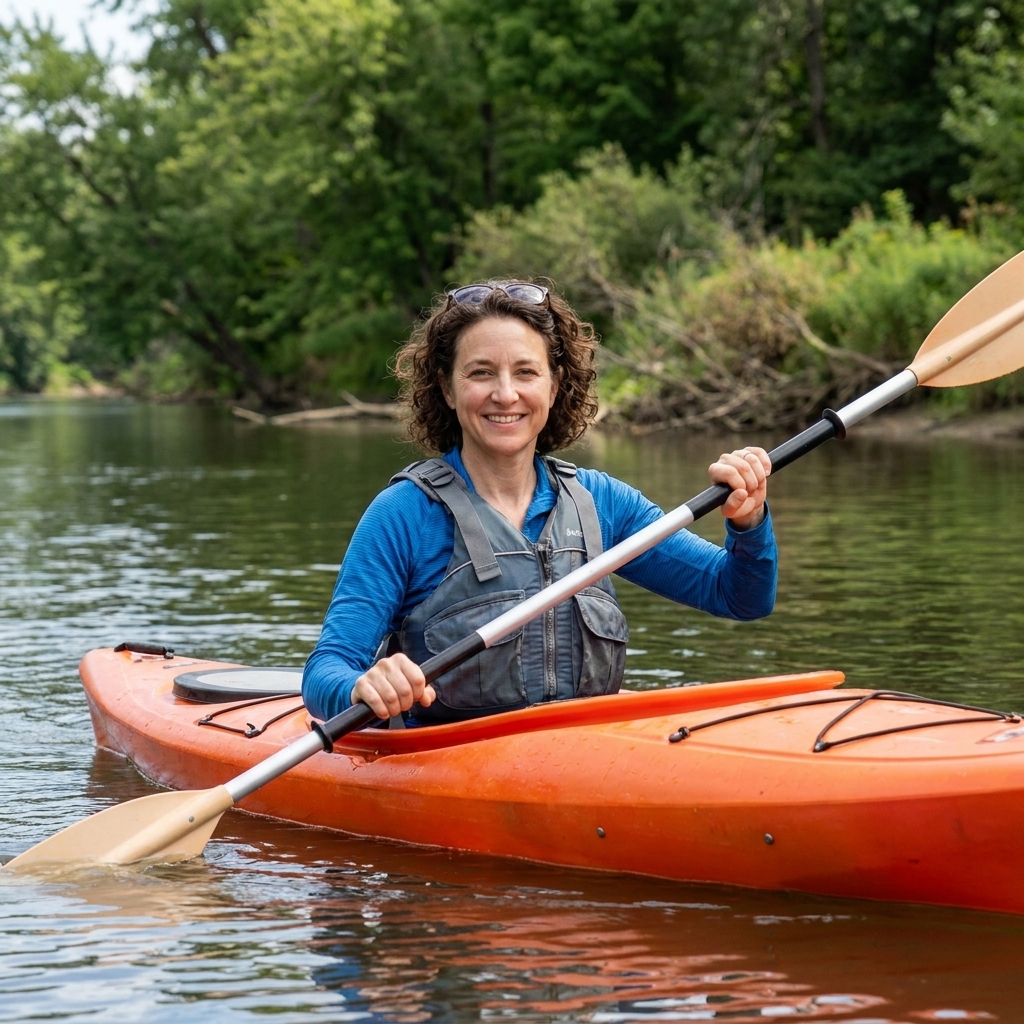
If paddleboarding feels a little too wobbly, kayaking or canoeing can be a more stable entry point. It’s rhythmic, calming, and wonderful for building upper-body stamina.
Why it counts as exercise
- Back, shoulder, and arm strength from repetitive paddling
- Core rotation for efficient strokes
- Light cardio, especially against wind or current
Start comfortably
- Rent before you buy. Rentals are common at many lakes and parks.
- Keep your first outing short and close to shore.
- Wear a life jacket, always, even if you’re a strong swimmer.
7) Nature photography walks
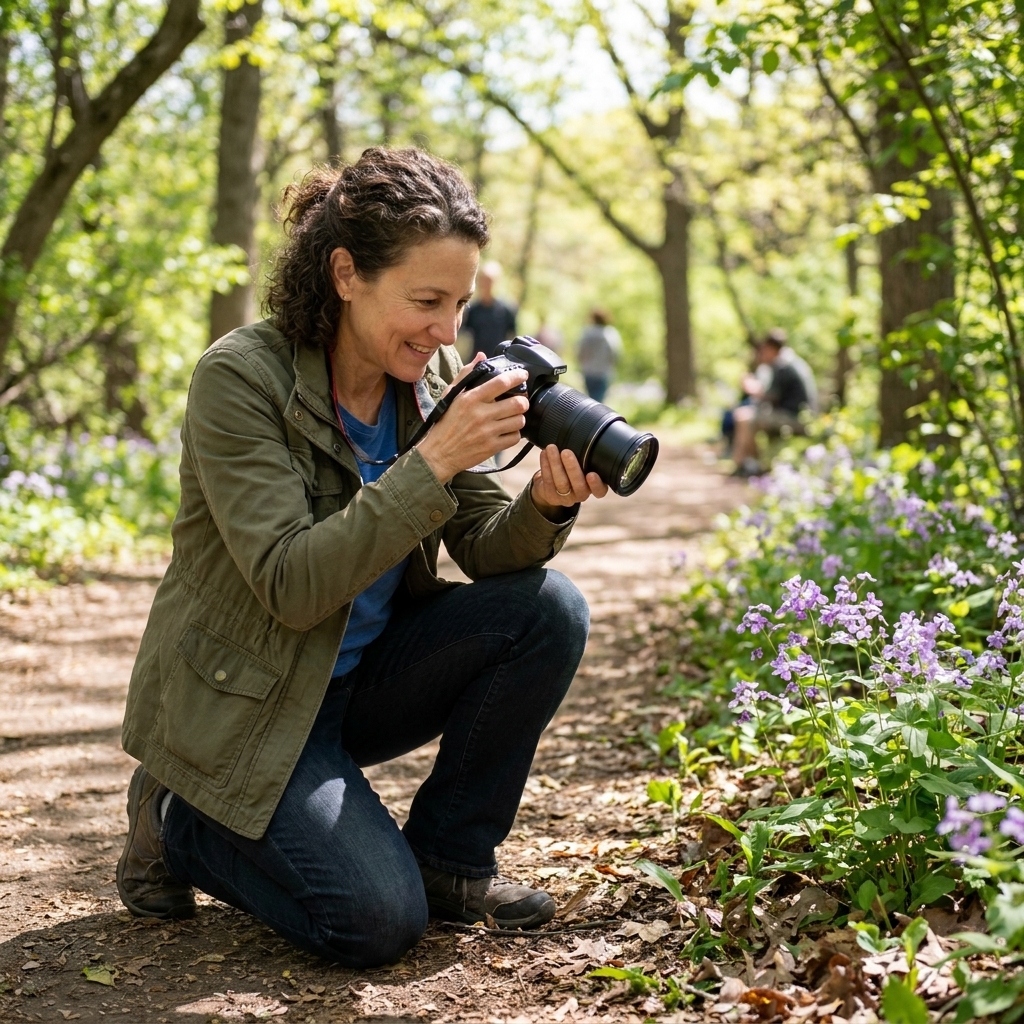
If you want movement that feels extra gentle, bring a camera or just your phone and go on a photo walk. You’ll stroll, stop, crouch, stand, and wander, and you’ll be so focused on light and textures that you barely notice the time passing.
Why it counts as exercise
- Low-impact steps that add up quickly
- Mobility work from bending, reaching, and changing angles
- Stress reduction through focused attention and time outside
Try a simple prompt
- Find five shades of green.
- Photograph three interesting shadows.
- Capture one tiny detail and one wide landscape.
Quick outdoor basics
A little comfort planning makes everything feel easier.
- Hydrate and snack: water plus something salty or carby goes a long way.
- Sun and weather: sunscreen, a hat, and a quick forecast check can save your mood.
- Tell someone: if you’re hiking or heading out on the water solo, share your general plan.
- Start smaller than you think: a short loop is still a win.
If weather is doing the most, keep the habit alive with a “micro version”: a 10-minute porch plant check, a quick neighborhood photo prompt, or a short ride or walk during the coolest part of the day.
How to pick your hobby
If you’re not sure where to start, choose based on what you want more of in your life:
- More calm: paddleboarding, kayaking, photography walks
- More strength: gardening, paddleboarding, kayaking
- More adventure: hiking, foraging, biking new routes
- More social time: group hikes, community gardens, casual bike meetups
My favorite rule: pick the option that makes you feel a tiny spark of “ooh, that sounds nice.” That spark is your motivation doing its job.
Make it even more joyful
- Pair it with a treat: iced coffee after a bike ride, a cozy lunch after a hike, fresh herbs clipped from your own pot.
- Dress for comfort: the goal is “I can move,” not “I look like an athlete.”
- Keep the bar low: 20 minutes counts. Ten minutes counts. Showing up counts.
- Bring a buddy: a friend, your kid, or your dog. My dog, Barnaby, personally votes yes.
Healthy living sticks when it feels like a life you want to keep living.
Quick FAQ
How often should I do these to see benefits?
If you do any of these 2 to 3 times a week, you’ll likely notice better energy and mood pretty quickly. For strength and stamina changes, give it a few weeks of consistent, imperfect practice. Even one weekly outing can be a meaningful reset.
Do I need special gear?
Not to start. Walking shoes and a water bottle cover hiking and photography walks. Many lakes offer rentals for paddleboards and kayaks. Gardening can begin with a single pot, soil, and one herb plant.
What if I’m starting from zero fitness?
Start with the gentlest versions: a photo walk, a flat bike ride, or 15 minutes of gardening. Take breaks. Bring snacks. Celebrate the fact that you’re building a relationship with movement that’s based on kindness.
Any accessibility-friendly options?
Yes. Keep it flat, short, and close to home. Try a paved loop for hiking, a comfort bike or e-bike, seated container gardening, or a photo walk with plenty of benches. You’re not “doing it wrong” if you make it work for your body.
Your next tiny step
Pick one hobby from this list and make it ridiculously easy to try this week. Like, “I’ll walk to the park and take five photos,” easy. Joyful movement isn’t about going hard. It’s about coming back again and again because it feels good to be in your body and outside in the world.